




When we think of “against all odds”, the story of Sheetal Devi stands tall, quietly powerful, deeply human, and full of lessons for all of us. She’s not just an athlete; she’s a testament to belief, adaptation, and pushing boundaries. Here’s her journey in detail, from a small village in Jammu & Kashmir to the global stage of para‐archery.
Thank you for reading this post, don't forget to subscribe!Early Life & Roots
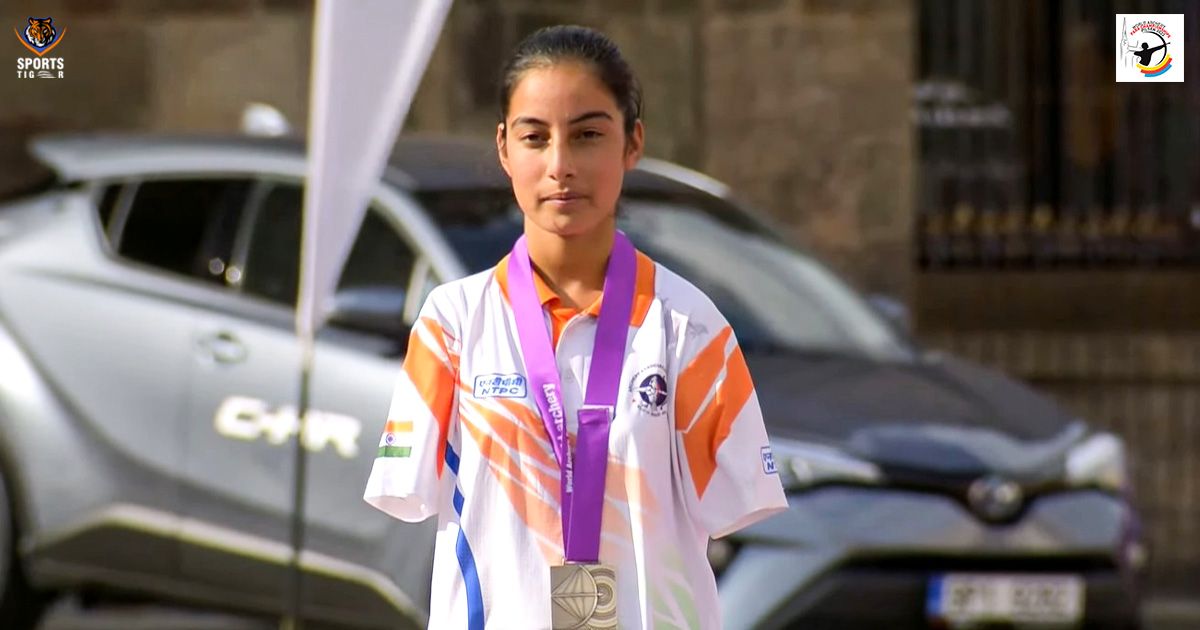
Born on 10 January 2007 in the village of Loi Dhar (also spelled Loidhar) in the Kishtwar district of Jammu & Kashmir, India, Sheetal arrived with a congenital condition called phocomelia, which meant her arms did not fully develop.
Growing up in hilly terrain, in a region where daily life already comes bundled with challenges, Sheetal’s childhood wasn’t defined by pity or limitation. Instead, she found her own way of moving in the world. One anecdote that has stuck: even without arms, she would climb trees using her legssomething her coaches later recognised as evidence of her natural core strength and balance.
Her parents were farmers, and though resources were limited, there was belief and support. In Sheetal’s own words:
“My parents always had faith in me. My friends in the village also supported me. The only thing I didn’t like was the look on people’s faces when they realised that I don’t have arms. These medals prove that I am special.”
This reveals something important: it wasn’t just about overcoming a physical challenge, but navigating perceptions, expectations, and identity. The idea that “special” isn’t the same as “less than”.
Discovery & Introduction to Archery

Sheetal’s transition into archery is almost serendipitous. In 2019, she attended a youth event organised by the Indian Army’s Rashtriya Rifles unit in her region. It was here that her athleticism ease with which she moved, climbed, and took on physical activity caught attention.
Her coaches (including Abhilasha Chaudhary and Kuldeep Wadhwan) remembered that when they first met her, they asked: How do we train someone with no arms for archery? Initially, prosthetics were considered, but doctors advised that in her case, it would be impractical.
Instead of seeing this as a roadblock, the coaches drew inspiration from other para‐archers who shoot with alternate techniques (such as by using legs). They realised that Sheetal’s prior experiencesclimbing trees by legs, moving with her core, adaptingcould become assets. Within about 11 months of training, she was competing internationally.
What’s powerful here is: the environment changed how she shot, but the drive remained anchored in her own habits and strengths.
Unique Technique & Style
Let’s pause to appreciate how remarkable this is.
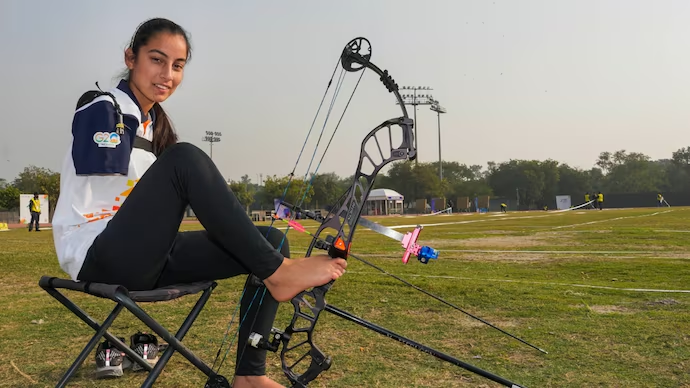
- Sheetal holds the compound bow using her right leg, raises and aims with that leg, and uses her shoulder and chin/mouth to release the arrow.
- In archery, precision, stability, and consistency are EVERYTHING. For someone without arms, relying on legs for the core mechanics of aiming and release is extraordinary. It’s not just about “can we do it” but “how accurately can we do it to compete at a world level”.
- Her technique isn’t just adaptation has become a refined skill built on the foundation of her body, spirit, and coaching.
Rise & Achievements
Sheetal’s meteoric rise is almost unheard of in sport.
- At the 2022 Asian Para Games (held in Hangzhou), she secured two gold medals and a silver in her category.
- In November 2023, the global body World Archery ranked her World No. 1 in the women’s compound open category.
- She continued performing and in 2024–25 she achieved even more: at the World Para Archery Championships she claimed gold in the women’s compound individual event, defeating the world’s best.
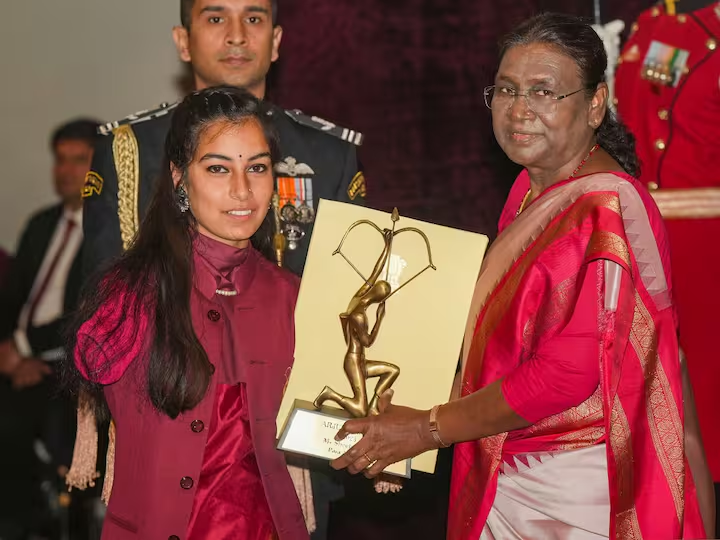
- Among her many honours: the prestigious Arjuna Award (India) in 2023 for her outstanding contribution.
- When we trace the timeline, she begins archery circa 2022, and within a very short time, she is medalling and reaching the top ranks. That speaks of talent + focus + environment.
The Human Side: What It Means
Beyond the medals and records, there are deeper reflections:
- Identity and Acceptance
Sheetal says she disliked the looks people gave her when they realised “she has no arms”. That touches on human emotionhow our bodies shape not just what we do but how we are perceived. Her response: “These medals prove I am special.” It’s not about being “less”; it’s about being unique, capable, and deserving.
- Adaptation and Skill, not Just Overcoming
Often narratives around differently‐abled athletes default to “inspirational” in a way that misses the athletic nuance. With Sheetal, the story is not just: “she did it despite arms missing” but “she mastered a new technique, competed at a world-class level, redefined the craft”. That’s skill.
- Community & Support
From her village, her family, the Indian Army’s early recognition, to the coaches who decided “yes, we can train her”, her journey is shaped by a networknot a lone hero. It reminds us that human achievement is rarely solo.
- Youth, Ambition, Still Ahead
Born in 2007, Sheetal is still very young. Her trajectory suggests the best years ahead. The journey ahead includes refining technique, mental strength, competition strategy, and being a role model. That she has already achieved so much is both remarkable and sets the stage for what’s to come.
What We Can Learn From Her
- Start from your strengths: She didn’t try to become someone else; she used what she already had (leg strength, core balance, determination) and built from there.
- Technique matters: Even when starting late (in archery terms), consistent adaptation and training can close huge gaps.
- Mindset over circumstance: Her story is not about what she lacks but what she commands.
- Lift others along the way: By her success, she opens doors for para sports, for young girls, and for athletes in remote regions.
- Remain humble yet ambitious: Her comments show gratitude, reflection, but also a hunger for more.
Final Thoughts
Sheetal Devi is not simply a story of “triumph over disability”. She is the story of sport, pure and simple precision, of repetition, of adaptation, of focus under pressure, of competing at the highest level. Her physical condition is extraordinary, yes. But what makes her most extraordinary is how human her journey is: rooted in a village, supported by people around her, growing into a champion.
When she steps onto the archery range, what she holds is a bow, but what she carries is much more: dreams, determination, identity, the hopes of people who see in her a reflection of what’s possible. If we strip away the medals, the records, the headlines, what remains is a simple message: limits are often in the mind; the body we have can still achieve the unimaginable.
Sheetal’s arrow doesn’t just hit the target; it pierces a barrier. And it points the way for many who will follow. Her story is still being writtenand we are lucky to be watching.
FAQs
Q1: Who is Sheetal Devi?
Sheetal Devi is a renowned Indian para-archer and Arjuna Award winner (2023) known for her exceptional skills despite being born with a rare congenital condition called phocomelia, affecting her upper limbs.
Q2: What are Sheetal Devi’s achievements?
Sheetal Devi is the first and only international para-archery champion without upper limbs. She won two gold medals and one silver medal at the 2022 Asian Para Games.
Q3: How did Sheetal Devi learn archery?
Sheetal Devi was trained by coaches Abhilasha Chaudhary and Kuldeep Vedwan, who drew inspiration from armless archer Matt Stutzman. She underwent intensive training for several months before participating in the Asian Para Games.
Q4: What support has Sheetal Devi received?
The Indian Army’s Rashtriya Rifles unit noticed Sheetal Devi’s potential and has provided support for her education and medical needs.
Q5: What is Sheetal Devi’s story an inspiration for?
Sheetal Devi’s story serves as a beacon of inspiration for others facing physical limitations, showcasing determination, resilience, and triumph over adversity.