



International Day of Persons with Disabilities: Global Awareness and Inclusion

International Day of Persons with Disabilities is observed every year on 3 December, a day dedicated to recognising the rights, dignity, and capabilities of persons with disabilities across the world. Established by the United Nations in 1992, this global observance aims to promote a more inclusive society by encouraging governments, institutions, and communities to adopt policies that ensure equal participation for every individual regardless of physical, intellectual, sensory, or psychosocial disabilities.
Thank you for reading this post, don't forget to subscribe!Today, the understanding of disability has expanded far beyond its earlier medical focus. Modern perspectives recognise that disability is not created only by a person’s physical or mental condition; instead, many barriers in society such as inaccessible infrastructure, discriminatory behaviour, limited opportunities, and lack of awareness play a significant role in creating inequalities. Therefore, the International Day of Persons with Disabilities highlights the urgent need to remove these barriers and to empower persons with disabilities to participate fully in social, economic, cultural, and political life.
Origins and History of International Day of Persons with Disabilities
The idea of dedicating an international day to disability rights was born from a global movement that intensified during the late twentieth century. As the world became more conscious of human rights and the need for equity, disability activists, NGOs, and international bodies argued that persons with disabilities deserved recognition, protection, and equal opportunities.
In 1981, the United Nations marked the International Year of Disabled Persons, which focused on equality and rehabilitation. The momentum from this year-long campaign led to the creation of the World Programme of Action Concerning Disabled Persons, a framework that encouraged governments to integrate disability issues into national development plans.
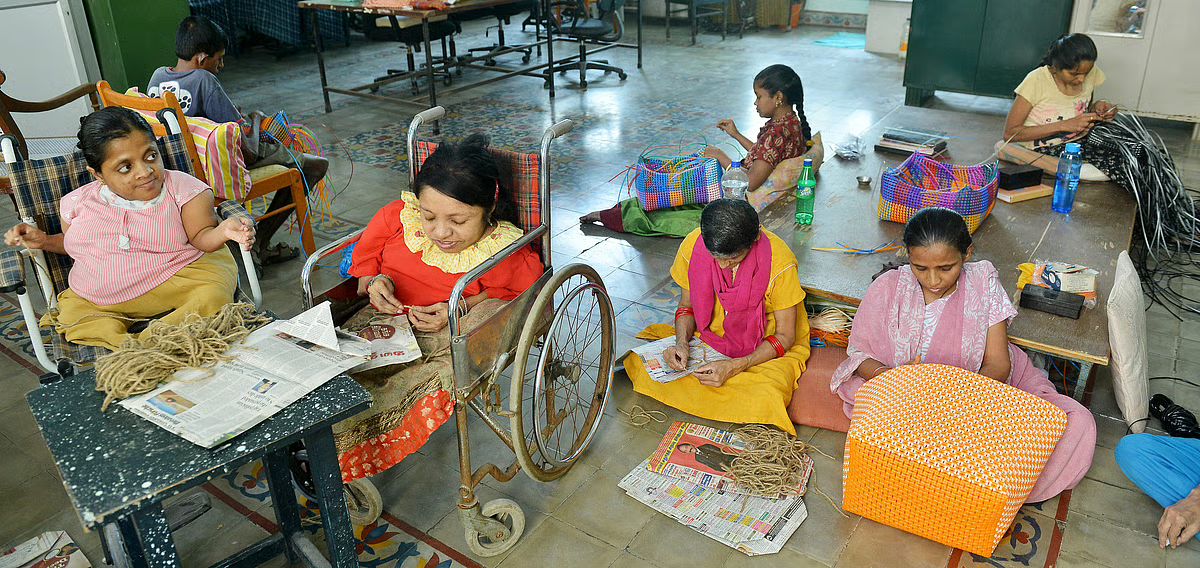
However, progress remained limited until 1992, when the UN officially declared 3 December as the International Day of Persons with Disabilities. Since then, every year has carried a specific theme, each designed to highlight a particular area of concern ranging from inclusive education and universal accessibility to economic empowerment and sustainable development.
Why the Day Matters in Today’s World
The global population of persons with disabilities is estimated at over 1.3 billion, making them one of the largest minority groups in the world. Yet they continue to face major challenges, including:
- Limited access to education
- Barriers in public spaces
- Low employment opportunities
- Stigma and discrimination
- Inadequate healthcare
- Social exclusion
- Low representation in decision-making
The observance of this day serves multiple purposes:
1. Raising Awareness
Awareness is one of the strongest tools for change. Many people still lack understanding of disabilities and their diverse forms. This day encourages discussions that correct misconceptions and promote empathy.
2. Encouraging Policy Change
Policies influence every aspect of a person’s life. By highlighting the gaps and challenges faced by persons with disabilities, this day motivates governments to strengthen disability legislation.
3. Promoting Inclusion
Inclusion means designing society in a way that everyone is able to participate. This day emphasises inclusive education, accessible cities, employment opportunities, and involvement in public life.
4. Strengthening Rights
The day reinforces international commitments such as the UN Convention on the Rights of Persons with Disabilities (CRPD), ensuring that disability rights remain part of global human rights discussions.
Understanding Disability in a Modern Context
Traditionally, disability was seen purely as an individual problem that required medical correction. This “medical model” focused on diagnosing, treating, or fixing impairments. However, the modern understanding has shifted toward the social model of disability, which states that disability is created mainly by societal barriers rather than the person’s condition.
For example:
- A wheelchair user is disabled not because of their mobility condition but because buildings lack ramps or elevators.
- A visually impaired person faces difficulty because books, screens, or signs are not designed with accessibility features.
- A person with hearing loss is excluded because events or videos do not offer sign-language interpretation.
This shift is crucial in shaping better public policy. It means that instead of trying to “fix” people, society must remove the barriers that restrict them.
Types of Disabilities and Their Diversity
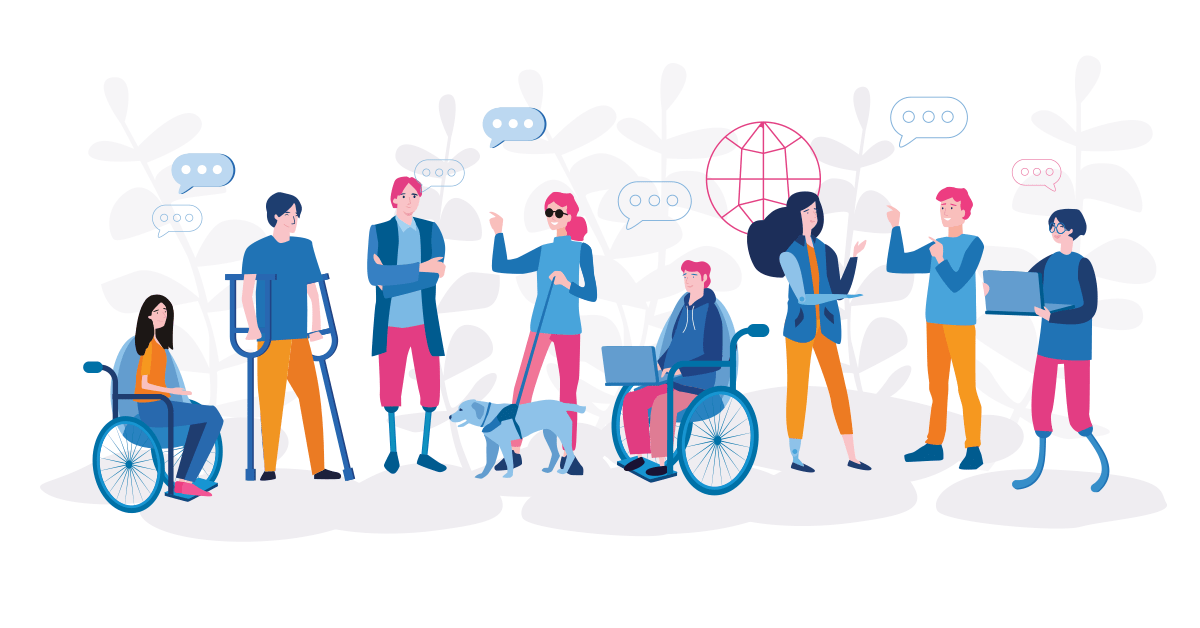
Disability is an umbrella term covering a wide spectrum of conditions. Understanding their diversity helps society respond better.
1. Physical Disabilities
These include conditions that affect a person’s mobility or physical functioning. Examples: spinal cord injuries, limb loss, muscular dystrophy, cerebral palsy.
2. Visual Disabilities
These include low vision and blindness. Accessibility measures include Braille, screen readers, tactile surfaces, and audio guidance.
3. Hearing Disabilities
These include partial or complete hearing loss. Solutions include sign language, captioning, hearing devices, and visual alerts.
4. Intellectual Disabilities
These affect cognitive functioning and learning abilities. Support systems focus on adaptive learning, structured environments, and skill-based training.
5. Psychosocial Disabilities
These include mental health conditions such as depression, bipolar disorder, schizophrenia, and anxiety disorders. Stigma is a major barrier here.
6. Neurodiversity
Conditions such as autism, ADHD, and dyslexia fall under neurodiversity. They are not illnesses but cognitive differences that require understanding and adaptation.
Recognising this diversity is essential because each category demands specific forms of support, awareness, and societal adjustment.
Barriers Faced by Persons with Disabilities
Despite progress, persons with disabilities continue to struggle against a range of obstacles.
1. Infrastructure Barriers
Many buildings, roads, public spaces, and transportation systems remain inaccessible. Lack of ramps, uneven pathways, absence of tactile markings, and inaccessible public transport make daily life challenging.
2. Educational Barriers
Students with disabilities often face inaccessible textbooks, lack of specialized teachers, inadequate classroom support, and poor implementation of inclusive education policies.
3. Employment Barriers
Workplaces are often not equipped with accessible toilets, adjustable desks, screen-reader-friendly systems, or flexible schedules. Many employers still hesitate to hire persons with disabilities because of prejudice or misinformation.
4. Social Barriers
Stigma, negative attitudes, and misconceptions isolate individuals from community engagement. They often face discrimination, bullying, and exclusion from social activities.
5. Communication Barriers
Lack of sign-language interpretation, inaccessible websites, absence of captioning, and poor digital accessibility limit access to information.
6. Policy Implementation Gaps
Even when disability laws exist, they are often not executed effectively due to budget constraints, lack of trained professionals, or insufficient monitoring.
Global Initiatives Supporting Disability Inclusion
Over the years, several international frameworks have been developed to support disability rights:
1. UN Convention on the Rights of Persons with Disabilities (CRPD)
Adopted in 2006, this groundbreaking treaty established disability rights as human rights. It promotes equal opportunities in education, employment, healthcare, and public life.
2. Sustainable Development Goals (SDGs)
The SDGs recognise disability inclusion as a prerequisite for development. Several goals highlight disability in education, employment, inequality reduction, and urban planning.
3. Inclusive Education Frameworks
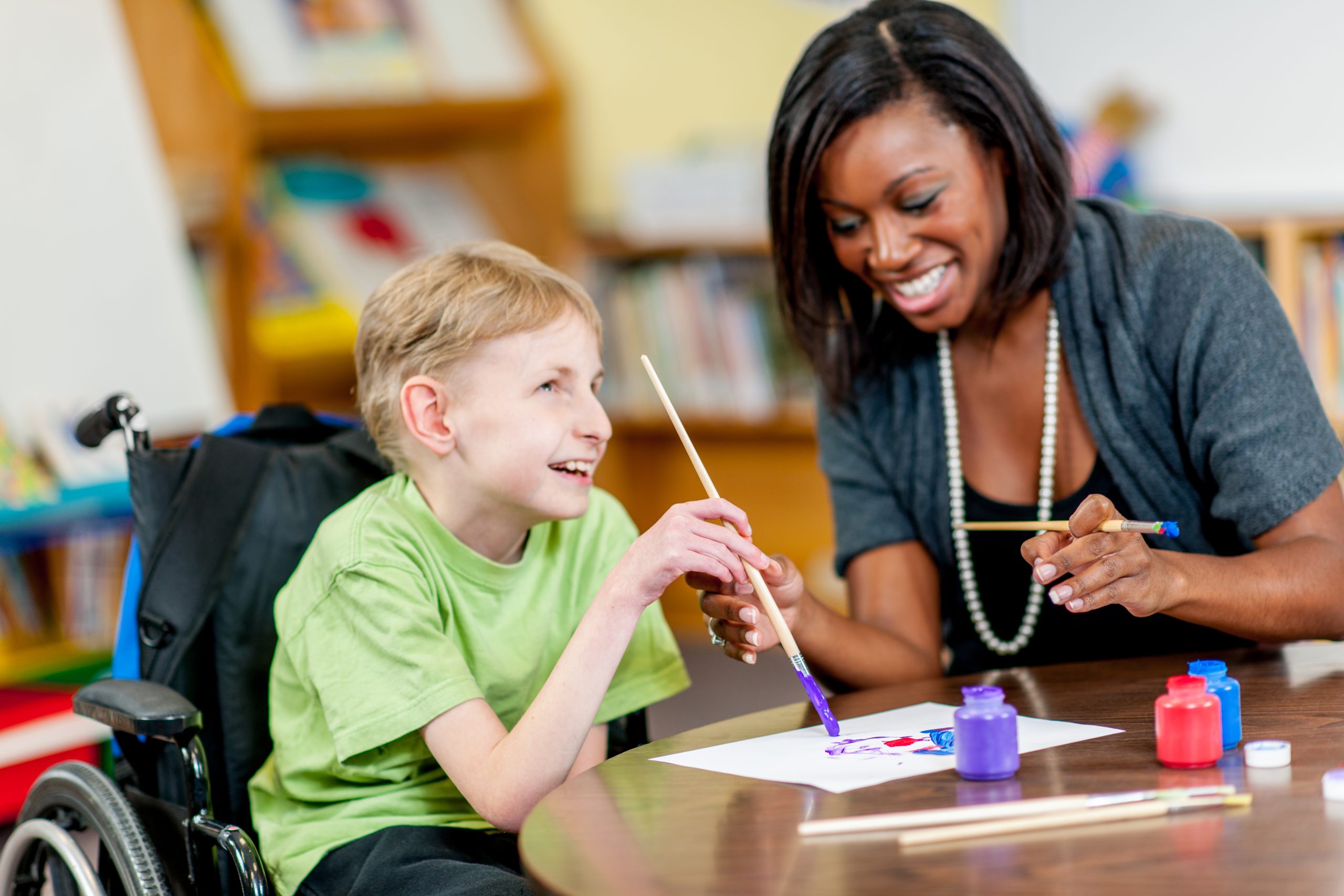
UNESCO and global partners have been promoting learning environments that welcome all students, irrespective of their abilities.
4. International Labour Organization (ILO) Standards
ILO encourages employers to adopt inclusive hiring practices and ensure workplace accessibility.
5. Digital Accessibility Standards
Many countries are updating accessibility guidelines for websites, mobile applications, and digital documents so that assistive technologies like screen readers can function effectively.
The Day’s Annual Themes and Their Importance
Each year, the UN selects a theme that directs global discussions. Over the decades, themes have included:
- “Transformation towards sustainable and resilient society”
- “Empowering people and ensuring inclusiveness”
- “Removing barriers to create an inclusive and accessible society”
- “United in action for the rights of people with disabilities”
These themes often guide events, campaigns, policy announcements, and educational programs worldwide. They allow organisations to focus on specific challenges and propose solutions.
Role of Governments in Supporting Persons with Disabilities
Governments hold the primary responsibility for implementing inclusive policies. Effective measures include:
1. Strengthening Disability Acts and Rights
Robust laws ensure that persons with disabilities receive equal access to education, healthcare, public services, and employment.
2. Building Accessible Cities
Ramps, tactile paths, auditory signals at crossings, elevators in public buildings, and accessible transportation systems create a more inclusive environment.
3. Inclusive Education Policies
Governments must ensure special educators, accessible classrooms, assistive learning devices, and collaboration with families.
4. Financial Assistance and Social Security
Schemes such as disability pensions, assistive device subsidies, and skill-training programs support economic independence.
5. Digital Accessibility
Online services government portals, banking, public information systems must be designed for universal access.
The Role of Schools and Educational Institutions
Education transforms lives, and inclusive education is one of the most powerful ways to create equality.
Schools must ensure:
- Accessible buildings and classrooms
- Inclusive teaching methods
- Braille resources and screen-reader compatible software
- Sign-language interpreters
- Awareness programs to promote empathy among students
When children learn to respect differences from a young age, they grow into adults who support inclusivity.
The Role of Families and Communities
Families are the strongest support systems for persons with disabilities. Encouragement, emotional support, and understanding help individuals grow confidently. Communities also play a vital role in shaping attitudes. When neighbours, peers, and local organisations participate in disability awareness, inclusion becomes natural rather than forced.
Technology and Innovation: A New Pathway to Empowerment
Technological innovation has transformed accessibility like never before.
Assistive technologies include:
- Wheelchairs (manual and electric)
- Hearing aids and cochlear implants
- Braille displays and screen readers
- Speech-to-text tools
- GPS-based navigation for visually impaired persons
- Mobile applications for communication
Smart homes, AI-based accessibility tools, and wearable devices continue to expand the possibilities for independent living.
Representation in Media and Culture
Media plays a crucial role in shaping public perception. Positive and realistic representation of persons with disabilities in films, advertisements, news, and literature is essential. When society sees persons with disabilities as capable, talented, and determined individuals, stereotypes begin to fade.
Sports and the Paralympic Movement
Sports empower persons with disabilities by strengthening physical health, confidence, discipline, and teamwork. The Paralympic Games, Special Olympics, and various national-level competitions have brought global attention to disability sports. They prove that limitation is a matter of perception, not capability.
Challenges That Still Need Attention
Despite progress, many issues remain unresolved:
- Lack of accessible transportation
- Unequal access to healthcare
- Low literacy levels among persons with disabilities
- Barriers in employment and skill training
- High poverty rates
- Gender-based discrimination
- Violence against women and girls with disabilities
- Exclusion from political decision-making
- Limited access to mental-health support
- Technological accessibility gaps
Eliminating these challenges requires persistent effort, collaboration, and commitment from all sectors of society.
The Way Forward: Building a Truly Inclusive World
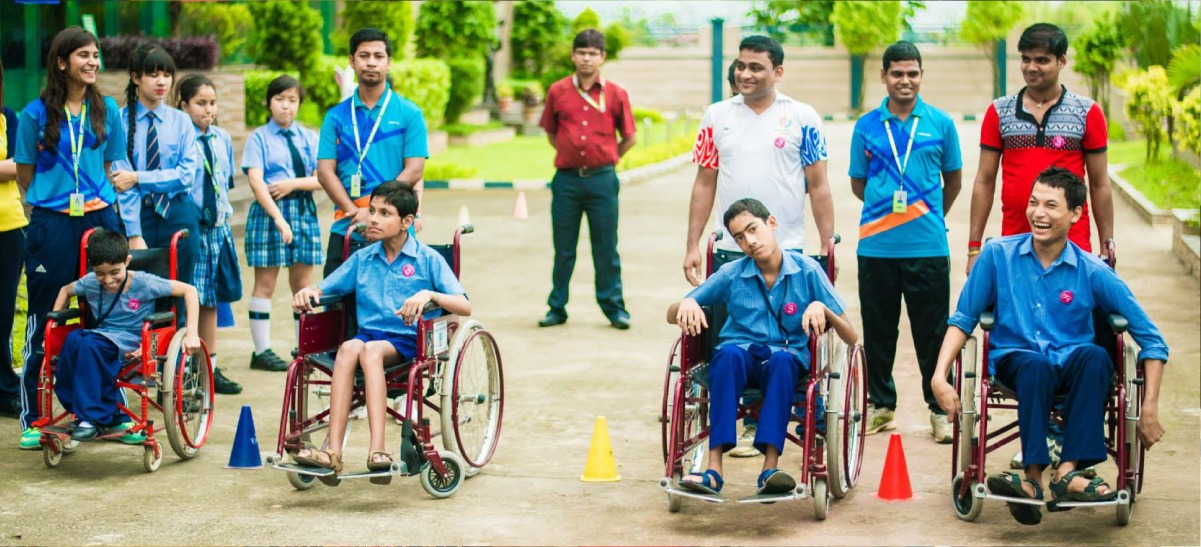
1. Accessibility by Design
Cities and digital spaces must be built with accessibility from the very beginning, not as an afterthought.
2. Community Awareness Campaigns
Regular community programmes can help reduce stigma, encourage empathy, and build respectful attitudes.
3. Empowerment through Education
Quality education must be accessible to every child. Higher education institutions must adapt to diverse needs.
4. Economic Inclusion
Companies must adopt inclusive hiring policies, accessible workplaces, flexible working conditions, and assistive technologies.
5. Stronger Legislation
Governments must enforce disability rights laws strictly, ensuring penalties for discrimination.
6. Research and Data Collection
Accurate data helps identify gaps, monitor progress, and design better disability-specific programs.
7. Disability-Inclusive Disaster Management
Emergency response systems, shelters, and early-warning mechanisms must consider the needs of persons with disabilities.
8. Mental Health Support
Psychosocial disabilities must be given equal importance and integrated into mainstream healthcare.
The Importance of Celebrating International Day of Persons with Disabilities
Celebrating this day is not merely a ceremonial gesture. It is a reminder that the world must continue working towards equality, accessibility, and respect for human diversity. It honours the resilience, creativity, and contributions of persons with disabilities to society.
International Day of Persons with Disabilities encourages everyone to reflect:
What kind of world are we creating?
Is it built for everyone?
Or only for a few?
A truly progressive society ensures that every person regardless of ability has the chance to live with dignity, opportunity, and equality.
FAQs
1. What is the International Day of Persons with Disabilities?
It is a global observance held every year on 3 December to promote the rights, dignity, and inclusion of persons with disabilities. It focuses on raising awareness and encouraging policies that ensure equality.
2. Why is this day important?
The day helps highlight challenges faced by persons with disabilities, promotes inclusive policies, encourages accessibility, and strengthens global commitment to human rights.
3. Who established this day and when?
The United Nations established the International Day of Persons with Disabilities in 1992 to promote disability rights and create a more inclusive world.
4. What are the main goals of this observance?
The key goals include awareness, barrier-free environments, inclusive education, equal employment opportunities, accessible infrastructure, and protection of rights.
5. What challenges do persons with disabilities still face?
Major challenges include stigma, inaccessible public spaces, limited education, low employment, inadequate healthcare, and low representation in policy-making.
6. What is the UN CRPD?
The UN Convention on the Rights of Persons with Disabilities (CRPD) is an international treaty that protects the rights and dignity of persons with disabilities and promotes equal participation in society.
7. How can communities support persons with disabilities?
Communities can provide empathy, respect, accessibility, awareness programs, barrier-free spaces, inclusive events, and opportunities for skill development.
8. What role does technology play in supporting persons with disabilities?
Technology improves independence through tools such as screen readers, hearing aids, mobility devices, AI-based accessibility features, and inclusive digital platforms.
9. How can governments improve disability inclusion?
Governments can enforce disability-friendly laws, improve accessible infrastructure, ensure inclusive education, support employment, and strengthen healthcare services.
10. How can individuals contribute to disability rights?
Individuals can challenge stereotypes, support accessibility, encourage inclusive practices, learn sign language, promote awareness, and treat everyone with dignity.