


Fakhruddin Ali Ahmed: A Life of Service and Constitutional Duty

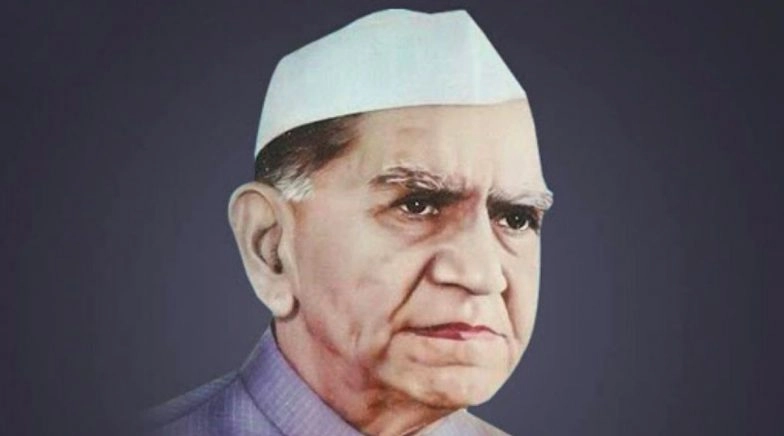
Fakhruddin Ali Ahmed was one of the most respected leaders in Indian political history. He served as the fifth President of India and played an important role during one of the most difficult phases of Indian democracy. He was a freedom fighter, lawyer, parliamentarian, Union Minister, and finally the President of the country. His life story reflects discipline, loyalty to the Constitution, and long years of public service.
Although many people remember Fakhruddin Ali Ahmed mainly because of the Emergency period, his life and contribution were much wider than that single event. He worked for national unity, development, and democratic values for several decades. He also holds special importance as a leader from Assam and the North-Eastern region, which had limited representation at the national level during his time.

Early Life of Fakhruddin Ali Ahmed
Fakhruddin Ali Ahmed was born on 13 May 1905 in Hauz Qazi, Delhi. He was born into a respected and educated family that valued learning and public service.
His father, Colonel Zalnur Ali Ahmed, was a doctor in the Indian Medical Service during British rule. His father’s discipline and service to society had a strong influence on him from a young age.
His mother, Sahebzadi Ruqayya Sultana, belonged to a noble family from Assam. Because of this connection, the family later moved to Assam, which became the center of Fakhruddin Ali Ahmed’s personal, social, and political life.
Though he was born in Delhi, Assam became his home. His deep bond with the people of Assam later made him one of the most important leaders from the North-East in Indian politics.
Education and Academic Background
Fakhruddin Ali Ahmed was an intelligent and hardworking student. His education played a major role in shaping his thinking, leadership skills, and understanding of law and democracy.
School and College Education
- He studied at Government High School, Gonda
- Later, he joined St. Stephen’s College, Delhi, one of the most famous colleges in India
- He completed his Bachelor of Arts (BA) degree from there
At St. Stephen’s College, he developed strong interests in politics, history, and public affairs.
Legal Studies in England
After completing his studies in India, Fakhruddin Ali Ahmed went to England to study law.
- He studied law at St. Catharine’s College, University of Cambridge
- He was called to the Bar at the Inner Temple, London, in 1928
While staying in England, he met several Indian students and leaders who were deeply involved in the freedom movement. These interactions increased his love for the country and strengthened his desire to serve India.
Influence of Jawaharlal Nehru
One of the most important influences in the life of Fakhruddin Ali Ahmed was Jawaharlal Nehru, India’s first Prime Minister.
He met Nehru during his stay in England. Nehru’s ideas on:
- Secularism
- Democracy
- Social justice
- National unity
left a deep impact on him.
From that time onward, Fakhruddin Ali Ahmed decided that his life would be dedicated to public service and national development. He remained closely connected with the Indian National Congress throughout his political career.
Return to India and Entry into Law
After returning to India, Fakhruddin Ali Ahmed started practicing law at the Gauhati High Court in Assam. As a lawyer, he gained respect for his honesty, calm behavior, and strong knowledge of the law.
However, his interest soon moved beyond the courtroom. The struggle for freedom and the condition of the country under British rule pushed him towards active politics.
Role in the Indian Freedom Movement
Fakhruddin Ali Ahmed joined the Indian National Congress, which was leading the freedom struggle against British rule.
Quit India Movement
During the Quit India Movement of 1942, Fakhruddin Ali Ahmed played an active role. Like many other freedom fighters:
- He was arrested by the British government
- He was sent to jail
- He suffered hardships for the country
His imprisonment showed his strong commitment to India’s independence. This period shaped him into a disciplined and fearless nationalist leader.
Political Career After Independence
After India became independent, Fakhruddin Ali Ahmed continued his political journey with the same dedication and honesty.
Role in Assam Politics
- He became active in the Assam Provincial Congress Committee
- He was elected to the Assam Legislative Assembly
- He worked for development, peace, and unity in the North-Eastern region
He strongly believed that the North-East should be fully integrated with the rest of India while respecting its culture and identity.
Entry into National Politics
In 1952, Fakhruddin Ali Ahmed was elected to the Rajya Sabha, the Upper House of Parliament. This marked the beginning of his long national political career.
Fakhruddin Ali Ahmed as Union Minister
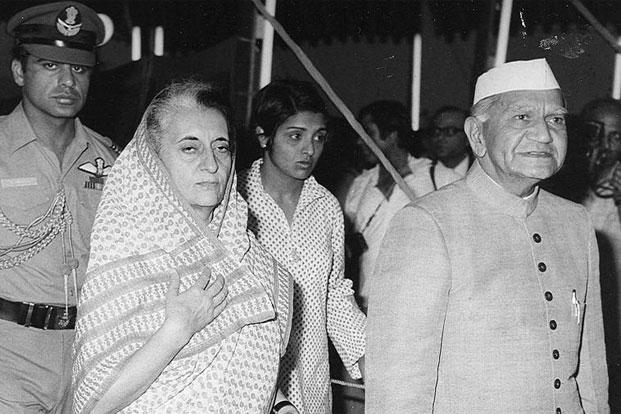
Because of his loyalty, experience, and ability, Fakhruddin Ali Ahmed was given many important responsibilities in the Union Government.
Minister of Irrigation and Power
As the Minister of Irrigation and Power, he worked on:
- River development projects
- Water management
- Hydroelectric power
- Support for agriculture
These efforts helped farmers and improved rural development.
Minister of Education, Industrial Development, and Company Affairs
In this role, he focused on:
- Strengthening educational institutions
- Supporting industrial growth
- Improving company laws
- Encouraging public sector development
His policies helped build a stronger foundation for India’s economy and education system.
Minister for Food and Agriculture
During times of food shortage and rising prices, Fakhruddin Ali Ahmed worked to:
- Improve food security
- Support farmers
- Control prices
- Manage food distribution
Personality and Administrative Style
Fakhruddin Ali Ahmed was known for his:
- Calm nature
- Polite speech
- Simple lifestyle
- Strong discipline
- Belief in teamwork
He was not aggressive or attention-seeking. He believed that good governance required patience, cooperation, and respect for institutions.
Election as President of India
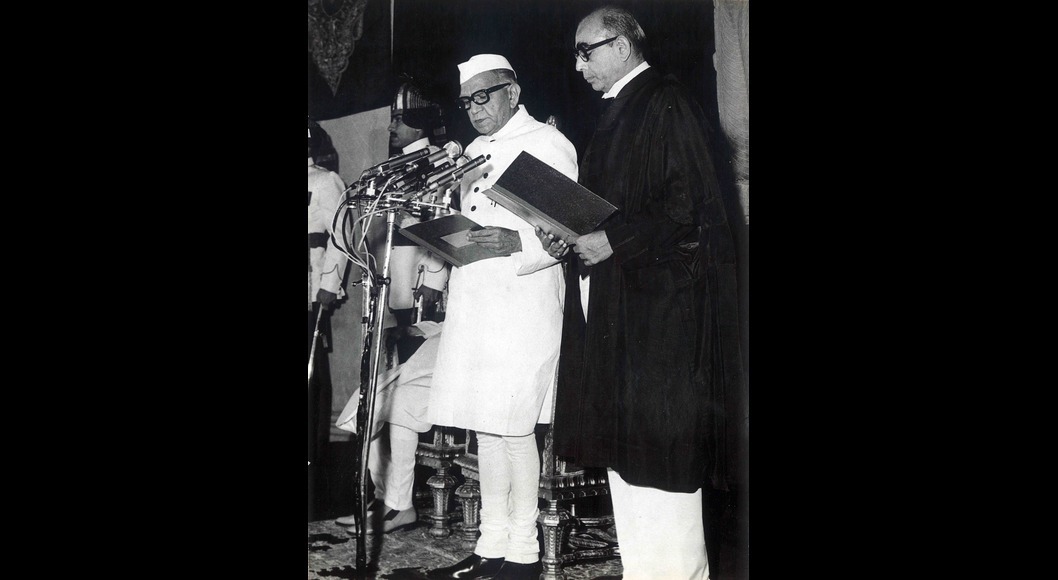
Fakhruddin Ali Ahmed was elected as the fifth President of India on 20 August 1974.
- He succeeded V. V. Giri
- He was supported by Prime Minister Indira Gandhi
- He became the second Muslim President of India, after Dr. Zakir Husain
His election showed the trust placed in him by the ruling party and the political leadership of the country.
Presidency of Fakhruddin Ali Ahmed
The presidency of Fakhruddin Ali Ahmed took place during a very difficult and tense period in Indian politics.
The Emergency Period
On 25 June 1975, a National Emergency was declared under Article 352 of the Constitution.
The reasons given were:
- Internal disturbances
- Threats to national stability
As President, Fakhruddin Ali Ahmed signed the Emergency proclamation on the advice of the Prime Minister.
Effects of the Emergency
During the Emergency:
- Civil liberties were suspended
- Press freedom was limited
- Opposition leaders were jailed
- Elections were postponed
This period remains one of the most debated chapters in Indian democracy.
Controversies and Criticism
Fakhruddin Ali Ahmed faced criticism for:
- Signing ordinances quickly
- Not questioning government advice
- Acting as a passive President
Many critics believe he should have used his powers more independently.
Supporters’ View
Supporters argue that:
- The President must act on the advice of the elected government
- He followed constitutional rules
- He believed stability was necessary during crisis
Personal Life of Fakhruddin Ali Ahmed
Fakhruddin Ali Ahmed married Begum Abida Ahmed. She was active in social work and later became a Member of Parliament.
They had:
- Two sons
- One daughter
He enjoyed reading, music, cricket, and golf. Despite holding high positions, he lived a simple and dignified life.
Values and Beliefs
Fakhruddin Ali Ahmed strongly believed in:
- Secularism
- National unity
- Social justice
- Democratic values
He respected all religions and cultures and believed in equality for all citizens.
Death of Fakhruddin Ali Ahmed
On 11 February 1977, Fakhruddin Ali Ahmed passed away due to a heart attack while still in office.
- He was the second Indian President to die in office
- The first was Dr. Zakir Husain
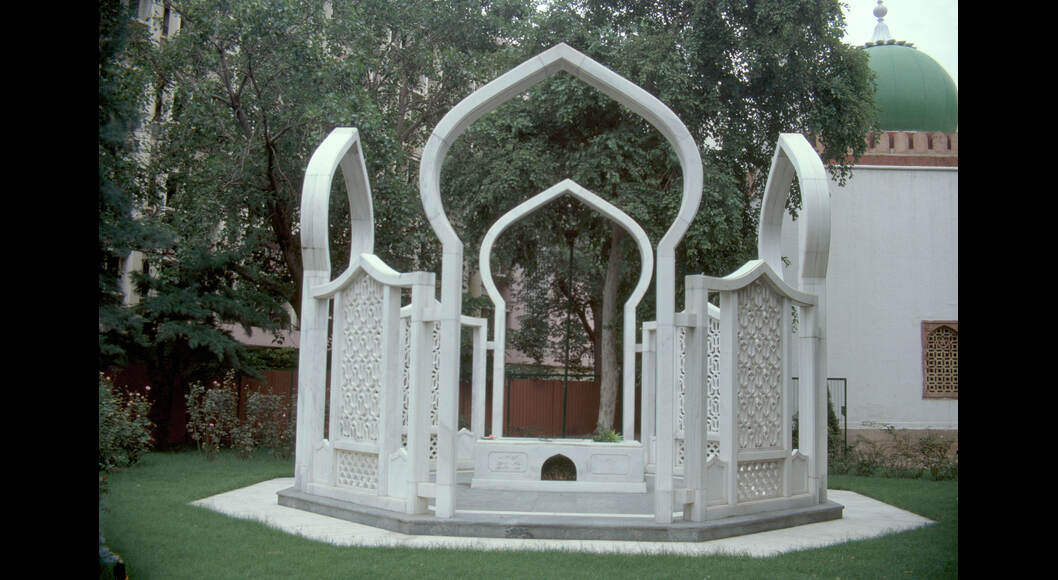
His death came shortly before the Emergency was lifted.
State Funeral and Succession
- He was given a state funeral in Delhi
- Leaders from India and abroad attended
- He was buried at Parliament Street graveyard
After his death:
- B. D. Jatti became Acting President
- Later, Neelam Sanjiva Reddy was elected President
Legacy of Fakhruddin Ali Ahmed
Fakhruddin Ali Ahmed is remembered for his long service to the nation and his dedication to constitutional duty.
Institutions Named After Him
- Fakhruddin Ali Ahmed Medical College and Hospital, Assam
- Fakhruddin Ali Ahmed Hall, Aligarh Muslim University
- Scholarships and memorial programs in his name
Importance in Indian History
Fakhruddin Ali Ahmed represents:
- The role of Assam and the North-East in national politics
- The challenges of constitutional democracy
- The balance between authority and responsibility
Conclusion
Fakhruddin Ali Ahmed was a leader shaped by education, discipline, and service. From a freedom fighter and lawyer to the President of India, his journey reflects the complexity of Indian democracy. While his presidency remains controversial, his overall contribution to Indian politics and national unity is significant.
For students, the life of Fakhruddin Ali Ahmed offers important lessons about leadership, responsibility, and respect for the Constitution.
Frequently Asked Questions (FAQs)
1. Who was Fakhruddin Ali Ahmed?
Fakhruddin Ali Ahmed was the fifth President of India. He was a freedom fighter, lawyer, Union Minister, and an important leader from Assam.
2. When was Fakhruddin Ali Ahmed born?
Fakhruddin Ali Ahmed was born on 13 May 1905 in Hauz Qazi, Delhi.
3. Which position did Fakhruddin Ali Ahmed hold in India?
He served as the fifth President of India and also held several Union Minister positions before becoming President.
4. Why is Fakhruddin Ali Ahmed famous in Indian history?
Fakhruddin Ali Ahmed is known for his long political career, his presidency during the Emergency period, and his contribution to Indian democracy.
5. Was Fakhruddin Ali Ahmed involved in the freedom movement?
Yes, Fakhruddin Ali Ahmed took part in the Quit India Movement and was imprisoned by the British government.
6. From which state did Fakhruddin Ali Ahmed belong politically?
Although born in Delhi, Fakhruddin Ali Ahmed was closely associated with Assam and represented the North-Eastern region in Indian politics.
7. What role did Fakhruddin Ali Ahmed play during the Emergency?
As President, Fakhruddin Ali Ahmed signed the Emergency proclamation on the advice of the Prime Minister, which remains a debated decision.