

Sambalpur Weather Radar Inaugurated

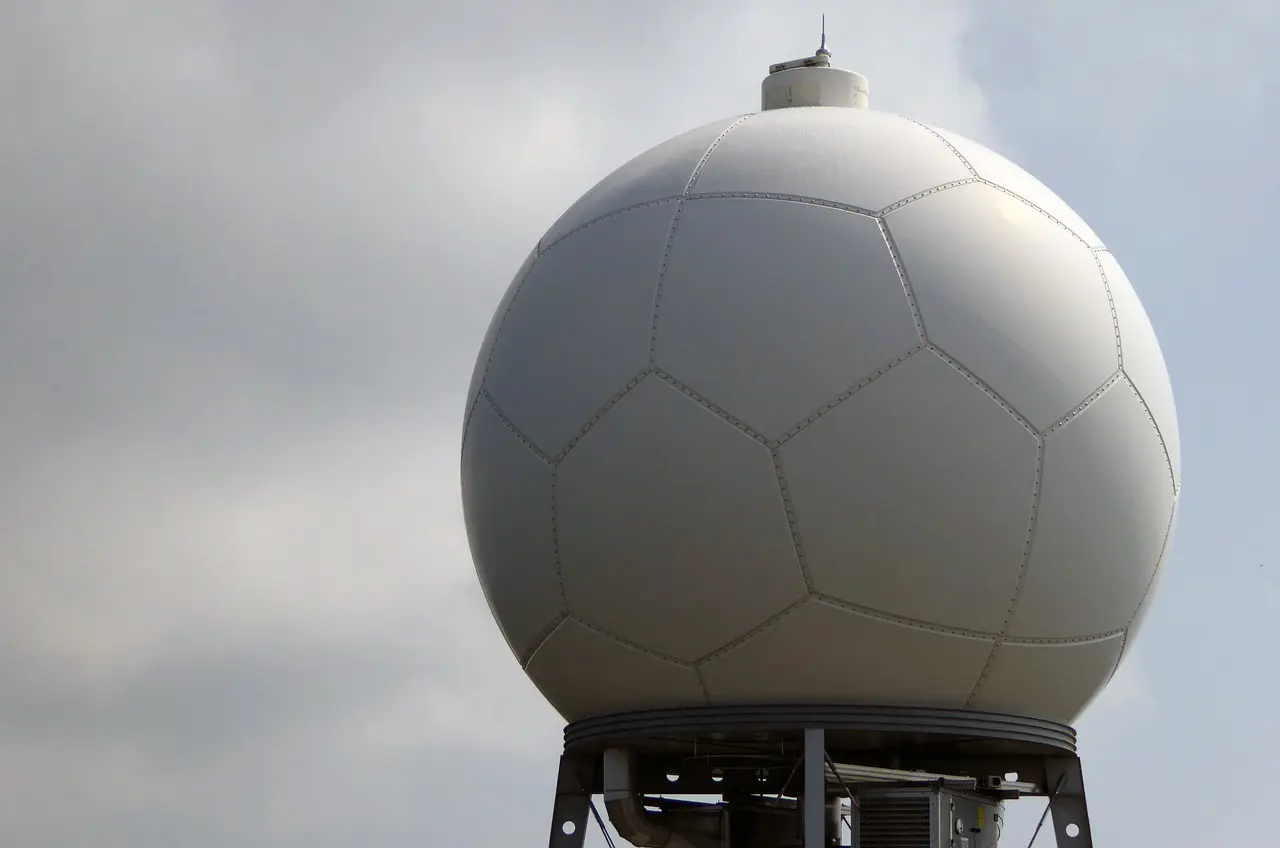
Sambalpur Radar has added a new layer to India’s weather monitoring network after the country’s 51st Doppler Weather Radar was inaugurated at Jamadarpali in Sambalpur, Odisha, on September 16, 2026. The new radar has been installed under Mission Mausam and is designed to provide detailed weather information across western Odisha and nearby areas of Chhattisgarh and Jharkhand.
Thank you for reading this post, don't forget to subscribe!The installation is expected to improve short-term weather monitoring and provide faster information about thunderstorms, lightning, hailstorms and heavy rainfall. The data can also support agriculture, water management and disaster preparedness in areas that are frequently affected by changing weather conditions.
Sambalpur Radar Expands Weather Monitoring
The Sambalpur Radar can observe weather conditions within a radius of around 250 kilometres. It has a resolution of 150 metres and updates its observations every 10 minutes.
These features allow meteorological agencies to receive regular information about rainfall and movements within weather systems. The information can then be used to monitor developing storms and issue short-term warnings.
The radar is located at Jamadarpali and has been developed as a Make in India installation. Its addition increases the availability of advanced weather observation systems in eastern India.

How a Doppler Weather Radar Works
A Doppler Weather Radar uses radio signals to observe weather conditions in the atmosphere. When the radar signal reaches rain, hail or other particles inside clouds, part of the signal is reflected back to the radar.
The Doppler effect helps the system identify changes in the frequency of the returned signal. These changes provide information about the movement of precipitation and wind.
This makes Doppler radar useful for tracking storms and estimating rainfall. Unlike ordinary weather observations that may provide information from a limited location, radar can monitor a much wider area and show how weather systems are developing.
Coverage Across Western Odisha
The Sambalpur Radar is designed to cover 13 districts in western Odisha. Its observation range also extends into parts of neighbouring Chhattisgarh and Jharkhand.
This wider coverage is important because weather systems do not follow administrative boundaries. A storm developing in one region can quickly affect neighbouring districts and states.
With regular radar observations, weather agencies can track the movement and development of such systems and provide information to authorities and communities in affected areas.
Early Warnings for Severe Weather
One of the main purposes of the new radar is to strengthen early warnings for severe weather.
The system can help monitor thunderstorms, lightning, hailstorms and heavy rainfall. Such information is particularly valuable during periods when sudden weather changes can affect transport, farming, electricity networks and local communities.
The frequent updates from the radar can support nowcasting, which means making short-term weather forecasts for the next few hours. Nowcasting is especially useful when a storm or heavy rainfall event is developing quickly.
Support for Agriculture in the Mahanadi Basin
Weather information is closely connected with farming. The Sambalpur region and surrounding areas include important agricultural areas linked to the Mahanadi basin.
Rainfall and storm information can help farmers and authorities understand changing weather conditions. Early warnings can provide more time to protect crops, equipment and agricultural activities from heavy rain, hail or strong storms.
Better weather information can also help improve planning for irrigation and water use, particularly during changing rainfall patterns.
Importance for Hirakud Reservoir
The radar can also support water management around the Hirakud Reservoir.
Reservoir management depends partly on accurate information about rainfall and weather conditions across the catchment area. Radar observations can provide additional information about where rainfall is occurring and how weather systems are moving.
This type of information can assist authorities in planning and managing water resources, especially during periods of heavy rainfall.
Third Doppler Radar in Odisha
With the installation at Sambalpur, Odisha now has three Doppler Weather Radars. The other two are located at Paradip and Gopalpur.
The expansion of radar infrastructure gives meteorological agencies more observation points across the state. Different radar locations can provide complementary information about weather systems affecting coastal and inland parts of Odisha.
For a state that experiences different types of weather events, including heavy rainfall, thunderstorms and cyclonic activity, wider observation coverage can be useful for improving weather services.
Mission Mausam and India’s Weather Network
The Sambalpur Radar is part of the wider expansion being carried out under Mission Mausam, a Government of India initiative associated with the Ministry of Earth Sciences.
Mission Mausam aims to strengthen India’s weather and climate observation and forecasting capabilities. Its work includes expanding radar networks as well as improving satellite-based and other atmospheric observation systems.
According to Union Minister of Earth Sciences Dr. Jitendra Singh, the government plans to add around 40 to 50 more Doppler Weather Radars across India under the programme.
The broader target is to take the country’s radar network to nearly 100 radars within the next two years. Increasing the number of observation systems can help provide more detailed information across regions that currently have limited radar coverage.
Make in India in Weather Technology
The new Sambalpur Radar also highlights the growing use of domestic capabilities in weather technology.
Weather observation equipment requires advanced technology involving radar systems, electronics, communications and data processing. Developing and installing such systems within India supports the country’s efforts to build stronger domestic capabilities in scientific and meteorological infrastructure.
As Mission Mausam expands, weather technology is expected to become an increasingly important part of India’s efforts to improve forecasting and climate-related services.

Development Projects in Sambalpur
The radar inauguration was part of a wider development programme in Sambalpur on September 16.
During the same event, 50 development projects were inaugurated or had their foundation stones laid. The combined value of these projects was around ₹960 crore.
The projects covered different areas of development and were presented alongside the launch of the new weather monitoring facility.
The installation of the Sambalpur Radar therefore adds both a regional and national dimension to the event, as the new facility is connected to India’s broader effort to strengthen weather observation, early warning systems and climate services.