Japan PM Sumo Dilemma: Tradition, Gender Equality, and a Historic Decision Ahead

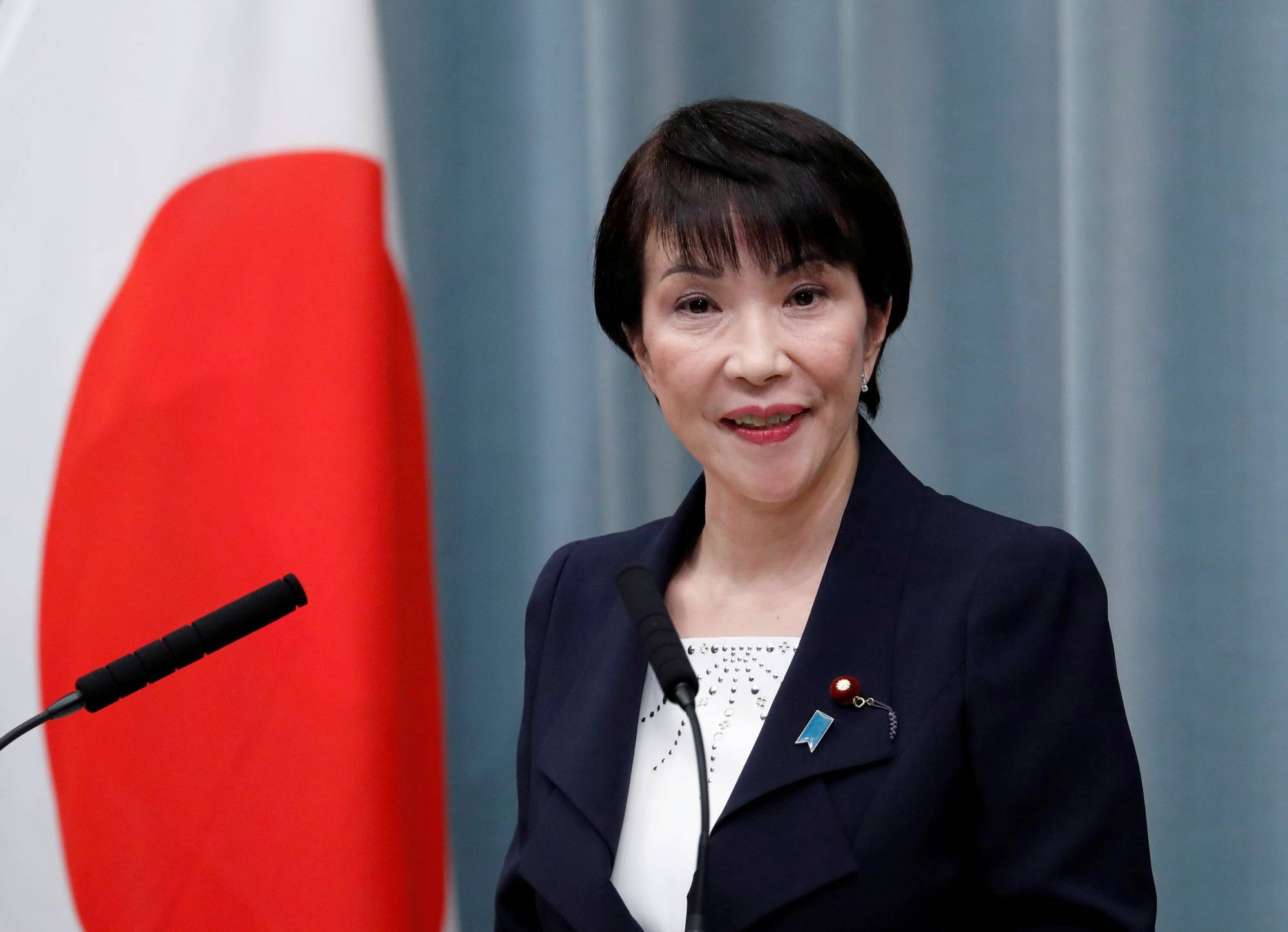
Japan PM sumo dilemma has become a national talking point as Prime Minister Sanae Takaichi faces an unprecedented cultural test during the Fukuoka Grand Sumo Tournament. As Japan’s first female Prime Minister, her possible entry into the sacred dohyo to present the Prime Minister’s Trophy has ignited intense debate across political, cultural, and religious circles. The moment is more than ceremonial; it reflects Japan’s struggle to reconcile deeply rooted tradition with modern expectations of gender equality.
Thank you for reading this post, don't forget to subscribe!A Historic Leadership at a Crossroads
Japan PM sumo dilemma emerges at a time when Sanae Takaichi is still in the early, defining phase of her premiership. After assuming office in October 2025, she made history as the first woman to lead Japan, winning the Liberal Democratic Party’s leadership with strong backing from conservative factions. Her political reputation has centred on national security, economic revival, and assertive diplomacy, making her leadership a transformative moment in Japanese politics.
But the Fukuoka sumo debate adds a new layer of complexity. As the final day of the tournament approaches, the spotlight now shifts from political issues to cultural identity. The decision she makes whether to step into the dohyo or not could influence her public image, party dynamics, and Japan’s global perception.
The Cultural Barrier Behind the Dilemma
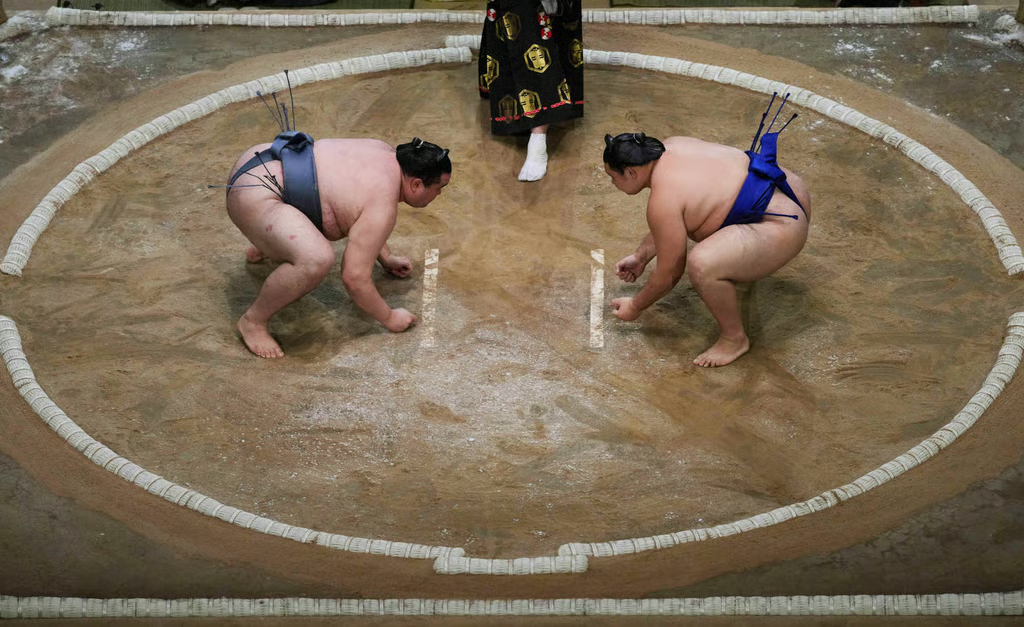
To understand the significance of the Japan PM sumo dilemma, one must look into the religious and historical context. The sumo ring, or dohyo, is considered a sacred space in Shintoism. For centuries, women have been prohibited from entering the ring due to the belief that menstruation renders them ritually impure. This unwritten rule has shaped sumo’s traditions, regulating who can participate, officiate, or even present awards.
The Japan Sumo Association (JSA), the governing body of professional sumo, continues to uphold this tradition as cultural preservation. Critics argue that the rule is outdated and discriminatory, while supporters claim that sumo’s sanctity must be protected from external pressures.
This tug-of-war between cultural purity and gender equality is now embodied in the Japan PM sumo dilemma.
Tracing Past Flashpoints and Push for Reform
Public debate on women entering the dohyo is not new, and several controversies have shaped the discussion.
Key incidents reveal how the Japan PM sumo dilemma is tied to a long lineage of resistance and activism:
- 1990: Chief Cabinet Secretary Mayumi Moriyama was famously barred from entering the ring to present an award one of the earliest high-profile challenges to the tradition.
- 2000: Osaka Governor Fuse Ohta faced the same obstacle and had to hand over a trophy from a walkway, further exposing the rigidity of the JSA.
- 2018: A mayor collapsed in the ring during a public event, and female medics who rushed to help him were ordered by officials to leave the dohyo. The backlash was immediate and intense, forcing the JSA to issue a public apology.
- 2019: Amid rising criticism, an advisory panel was formed to review the exclusion of women. However, no reforms were implemented.
Despite more than three decades of debate, the tradition stands firm making the Japan PM sumo dilemma even more symbolic and historically charged.
A Nation Debating Its Identity
Sanae Takaichi’s decision carries weight beyond the boundaries of sport. The Japan PM sumo dilemma now represents a broader cultural question: Can a modern democracy like Japan redefine an ancient practice without losing its heritage?
Supporters of tradition argue:
- The dohyo must remain a sacred space.
- Altering rituals for political reasons may damage traditional culture.
- Sumo is a uniquely Japanese sport rooted in spiritual customs that should not bend to contemporary pressure.
Advocates of equality argue:
- A national leader, regardless of gender, should be allowed to fulfil ceremonial duties.
- Excluding women in 2025 sends the wrong message about Japan’s social progress.
- Change is essential for a sport that wants to retain global relevance.
This clash makes the Japan PM sumo dilemma a microcosm of Japan’s social and political evolution.
Symbolism and Stakes for Takaichi’s Leadership
Whether she enters the ring or not, the impact will be significant.
If she steps into the dohyo, it will be seen as:
- A bold assertion of gender equality
- A symbolic moment for women in Japanese society
- A challenge to the JSA’s conservative stance
- A move that may win praise from international observers
But it could also lead to:
- Backlash from traditionalists
- Criticism from conservative party members
- Tensions with cultural authorities
If she chooses not to enter, it will signal:
- Respect for Shinto traditions
- Alignment with conservatives and cultural purists
- Avoidance of confrontation with the JSA
However, it could also portray:
- A missed opportunity for advancing gender equality
- An image of conformity in a moment calling for progressive leadership
- Disappointment among women’s rights advocates
Both paths shape the Japan PM sumo dilemma as one of the most defining decisions of her early tenure.
Sumo’s Rising Popularity and the Timeliness of the Debate
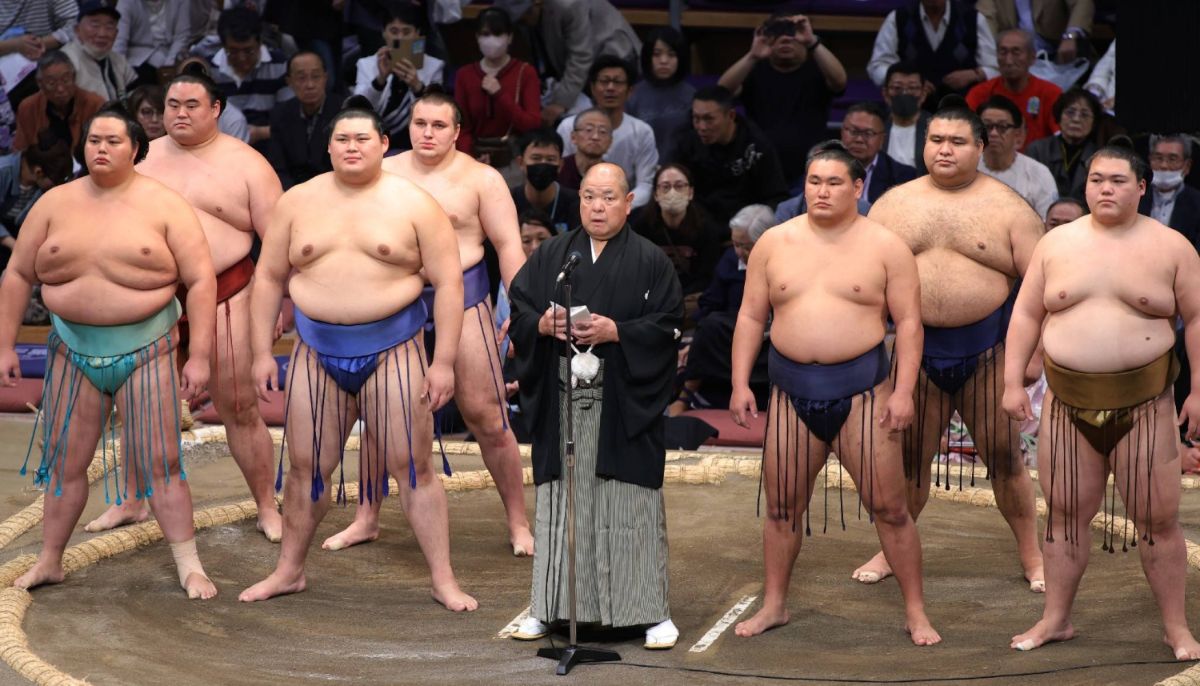
This controversy arrives at a crucial moment for the sport. Sumo has recently seen a revival in public interest, partly due to homegrown star Yokozuna Onosato, whose achievements have been embraced by fans nationwide. As the sport becomes more visible and internationally followed, the Japan PM sumo dilemma highlights the tension between preserving sanctity and welcoming change.
The JSA remains cautious, but the world is watching. With growing calls for inclusion and mounting international attention, the decision of Japan’s first female leader could set a historical precedent.
A Moment That Could Redefine Japan
The Japan PM sumo dilemma is more than a debate about entering a ring. It is about who gets to participate in national identity, how traditions adapt to modern realities, and whether leadership should reflect change or continuity. As Sanae Takaichi weighs her options, Japan stands at the intersection of past and future waiting to see whether its leader will uphold custom or challenge it on one of the nation’s most sacred stages.