


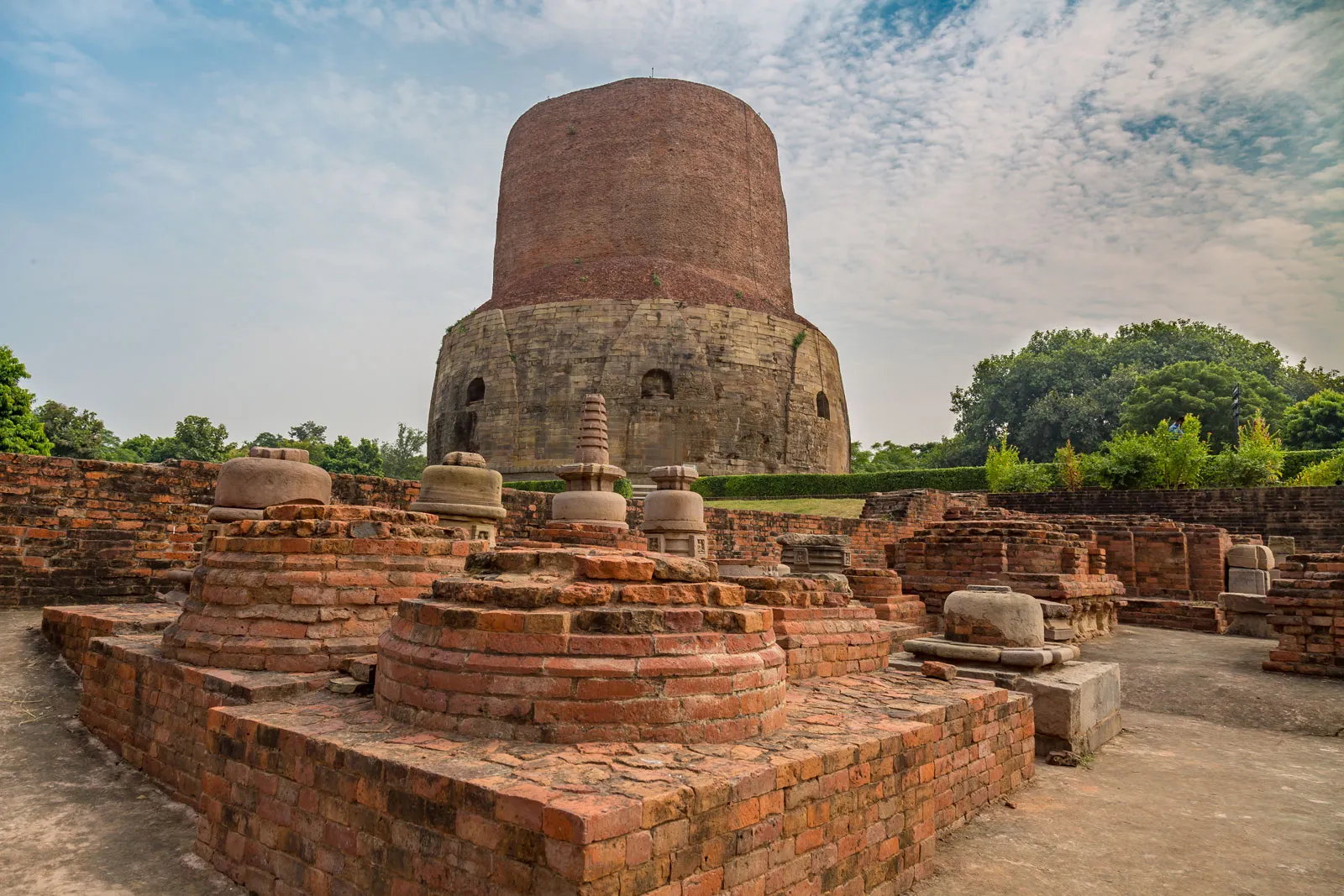
Sarnath UNESCO World Heritage

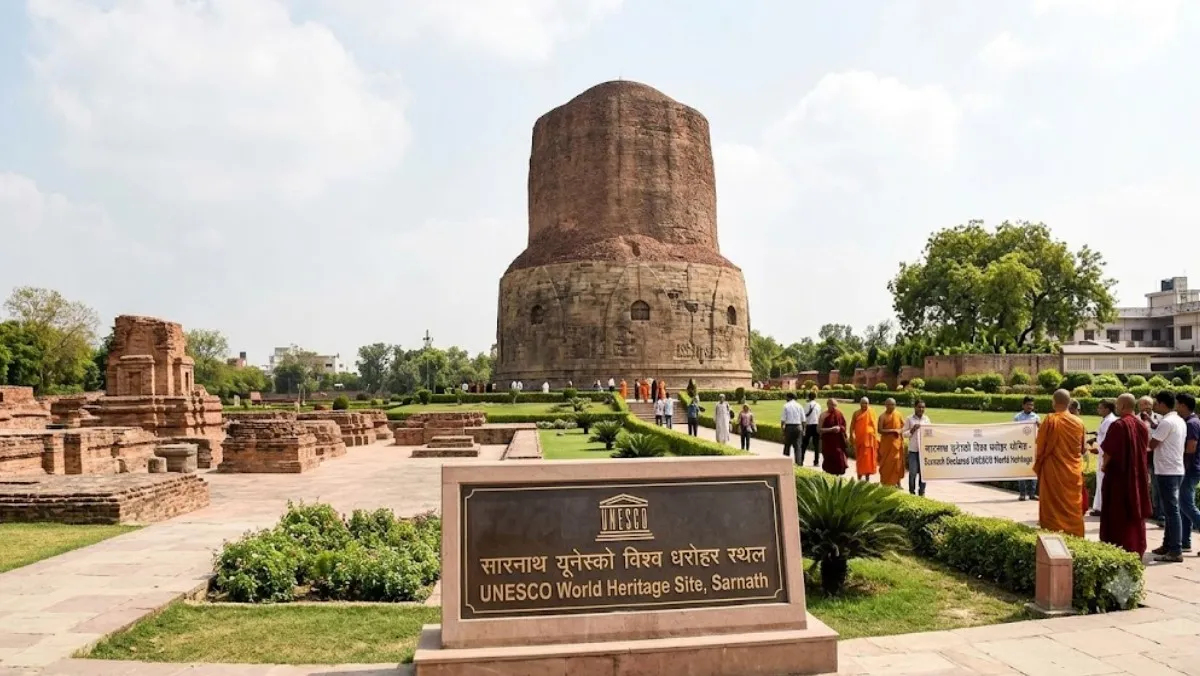
Sarnath UNESCO World Heritage became one of the biggest cultural stories of 2026 after Sarnath, the ancient Buddhist site in Uttar Pradesh, was officially added to the UNESCO World Heritage List on 25 July 2026. The announcement was made during the 48th session of the UNESCO World Heritage Committee held in Busan, South Korea. With this recognition, Sarnath became India’s 45th UNESCO World Heritage Site and the fourth World Heritage Site in Uttar Pradesh. The achievement highlights India’s rich cultural history and the global importance of Sarnath as one of the most sacred places in Buddhism.
Sarnath Receives Global Recognition
The inclusion of Sarnath on the UNESCO World Heritage List is an important milestone for India’s cultural heritage. UNESCO grants World Heritage status only to places that have exceptional value to humanity and deserve long-term protection.

Sarnath has been one of the most respected Buddhist pilgrimage centres for centuries. Every year, thousands of pilgrims, monks, historians, researchers, and tourists visit the site from different parts of the world to learn about its historical and spiritual importance.
Receiving UNESCO recognition is expected to increase global awareness of Sarnath while encouraging stronger efforts to preserve its monuments, archaeological remains, and cultural traditions.
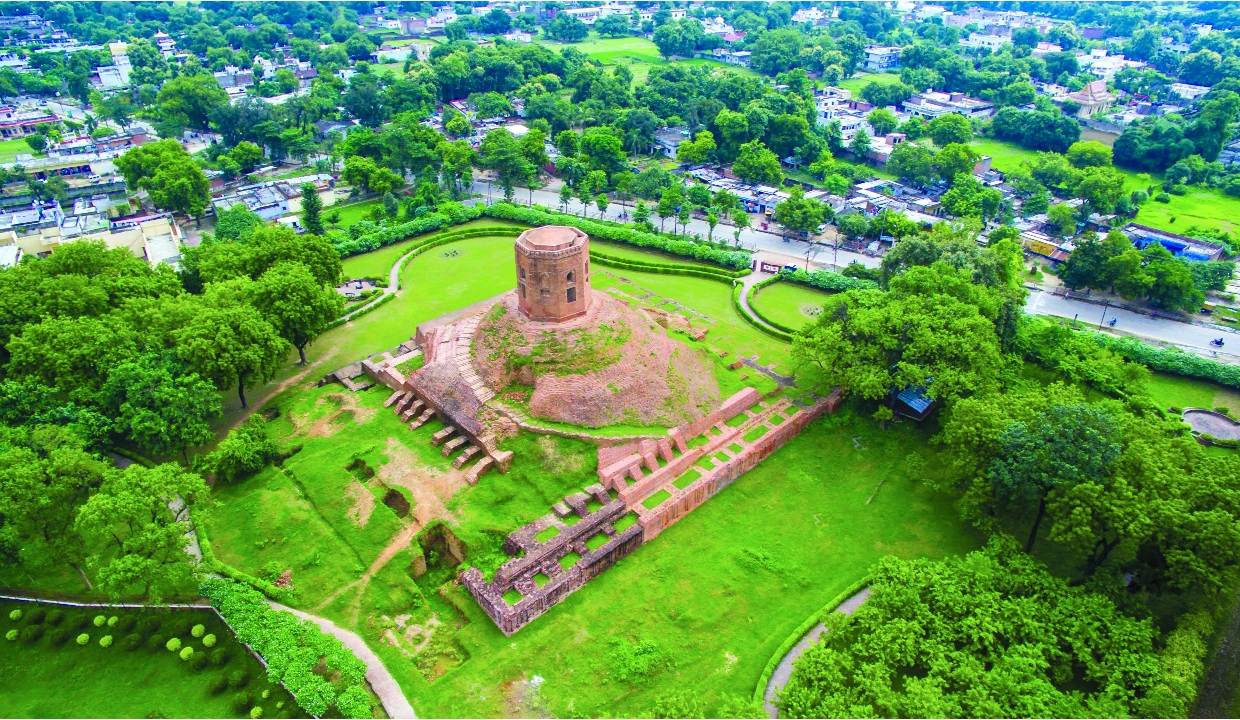
Why Sarnath Is Important
Sarnath holds a special place in the history of Buddhism.
According to Buddhist tradition, Lord Buddha delivered his first sermon here after attaining enlightenment at Bodh Gaya. This historic event is known as Dharmachakra Pravartan, meaning “Setting the Wheel of Dharma in Motion.”
The first sermon marked the beginning of Buddha’s public teachings and the spread of Buddhism as a major world religion. It was at Sarnath that Buddha introduced the Four Noble Truths and the Eightfold Path, which remain central teachings of Buddhism today.
Because of this historic event, Sarnath has become one of the four most important Buddhist pilgrimage destinations in the world.
A Centre of Buddhist Learning
For many centuries, Sarnath developed into a major centre for Buddhist education and culture.
Monasteries, temples, meditation centres, and learning institutions were established in the area, attracting monks and scholars from India as well as countries across Asia.
Historical records suggest that students travelled from regions such as China, Sri Lanka, Tibet, Myanmar, and Southeast Asia to study Buddhist philosophy and religious texts.
Although many ancient structures were damaged over time, archaeological excavations have uncovered important remains that continue to provide valuable information about India’s ancient civilisation.
What Is the UNESCO World Heritage List?
The UNESCO World Heritage List includes places recognised for their outstanding cultural, natural, or mixed value to humanity.
The programme was created under the World Heritage Convention, adopted by UNESCO in 1972.
Every year, the World Heritage Committee reviews nominations submitted by different countries. Experts evaluate whether each site meets strict international standards related to history, architecture, archaeology, natural beauty, conservation, and cultural significance.
Once approved, the site becomes part of the World Heritage List and receives international recognition along with greater opportunities for conservation and sustainable tourism.
India’s Growing List of World Heritage Sites
With the addition of Sarnath, India now has 45 UNESCO World Heritage Sites.
These sites include famous monuments, archaeological remains, religious centres, forts, temples, natural parks, and cultural landscapes representing thousands of years of Indian history.
The recognition of Sarnath further strengthens India’s position as one of the countries with the largest number of UNESCO World Heritage Sites.
Each new addition helps promote India’s rich cultural diversity while encouraging heritage conservation for future generations.
Uttar Pradesh Adds Another Heritage Site
The UNESCO recognition also marks an important achievement for Uttar Pradesh.
Sarnath has become the fourth UNESCO World Heritage Site in the state.
The other UNESCO World Heritage Sites in Uttar Pradesh are:
- Taj Mahal
- Agra Fort
- Fatehpur Sikri
These internationally recognised sites attract millions of visitors every year and play an important role in promoting tourism, local employment, and cultural awareness.
With Sarnath joining this list, Uttar Pradesh further strengthens its reputation as one of India’s richest states in terms of historical and cultural heritage.
The Journey to UNESCO Recognition
The recognition of Sarnath was the result of a long nomination process.
The site was first included in UNESCO’s Tentative List on 3 July 1998. Being placed on the tentative list is an essential first step before any location can be formally nominated for World Heritage status.
India submitted the official nomination for the 2025-26 evaluation cycle in January 2025.
Following detailed reviews by heritage experts and the UNESCO World Heritage Committee, Sarnath was officially inscribed on the World Heritage List during the committee’s meeting in Busan on 25 July 2026.
The successful nomination reflects years of documentation, conservation efforts, archaeological research, and international evaluation.
Heritage Recognition Supports Tourism
UNESCO recognition often leads to increased international tourism and greater investment in heritage conservation.
As one of Buddhism’s holiest sites, Sarnath already welcomes visitors from many countries. The new World Heritage status is expected to attract even more tourists, researchers, and pilgrims in the coming years.
This can also create new opportunities for local businesses, guides, artisans, hotels, and transport services while encouraging sustainable tourism practices that protect the site’s historical importance.
Authorities are expected to continue improving visitor facilities while preserving the authenticity of the archaeological remains.
National Leaders Welcome the Decision
The announcement received positive responses from national and state leaders.
Prime Minister Narendra Modi described the UNESCO inscription as a proud moment for every Indian, highlighting the country’s rich cultural heritage and global historical importance.
Uttar Pradesh Chief Minister Yogi Adityanath also welcomed the decision and stated that the recognition reflects the state’s deep spiritual, historical, and cultural legacy.
Their messages celebrated the international honour received by Sarnath and recognised the efforts made to preserve one of India’s most important ancient heritage sites.
A New Chapter for India’s Cultural Heritage
The inscription of Sarnath UNESCO World Heritage marks another important milestone in preserving India’s ancient history. As the place where Lord Buddha delivered his first sermon, Sarnath has shaped the development of Buddhism for more than two thousand years. UNESCO’s recognition acknowledges its outstanding universal value while encouraging continued conservation, research, and responsible tourism. With Sarnath now joining India’s growing list of World Heritage Sites, the country strengthens its global reputation as a home to some of the world’s most significant cultural and historical treasures.