
SC Passive Euthanasia Harish Rana: Supreme Court Clarifies End-of-Life Rights

The SC Passive Euthanasia Harish Rana case has brought fresh attention to end-of-life decisions in India. The Supreme Court of India has allowed passive euthanasia under strict conditions, highlighting the difference between passive and active euthanasia. This decision has sparked discussions about dignity, ethics, and patient rights.
Thank you for reading this post, don't forget to subscribe!What is Passive Euthanasia?
Passive euthanasia means stopping or not starting medical treatment that keeps a patient alive when recovery is not possible. It is usually used in cases of serious or terminal illness.
Examples include turning off life-support machines, removing feeding tubes, or not giving medicines that only prolong life for a short time. In such cases, death happens due to the illness, not because of a direct action by doctors.
In India, passive euthanasia is legal but only with strict rules. It needs approval from medical boards, consent from family members, and proper legal checks.
What is Active Euthanasia?
Active euthanasia involves taking direct steps to end a patient’s life, such as giving a lethal injection. Here, the cause of death is a deliberate action.
In India, active euthanasia is illegal. Doctors or anyone involved in such acts can face serious legal punishment.
Ethical Debate Around Euthanasia
There is a long debate about whether stopping treatment is different from actively ending life. Some believe that passive euthanasia is acceptable because doctors are not directly causing death.
Others argue that both actions lead to the same result, so the difference may not be morally important. This debate raises questions about human dignity, suffering, and the role of medical care.
Legal Position in India
The Supreme Court of India has set clear guidelines for passive euthanasia. These include careful medical review and family consent to prevent misuse.
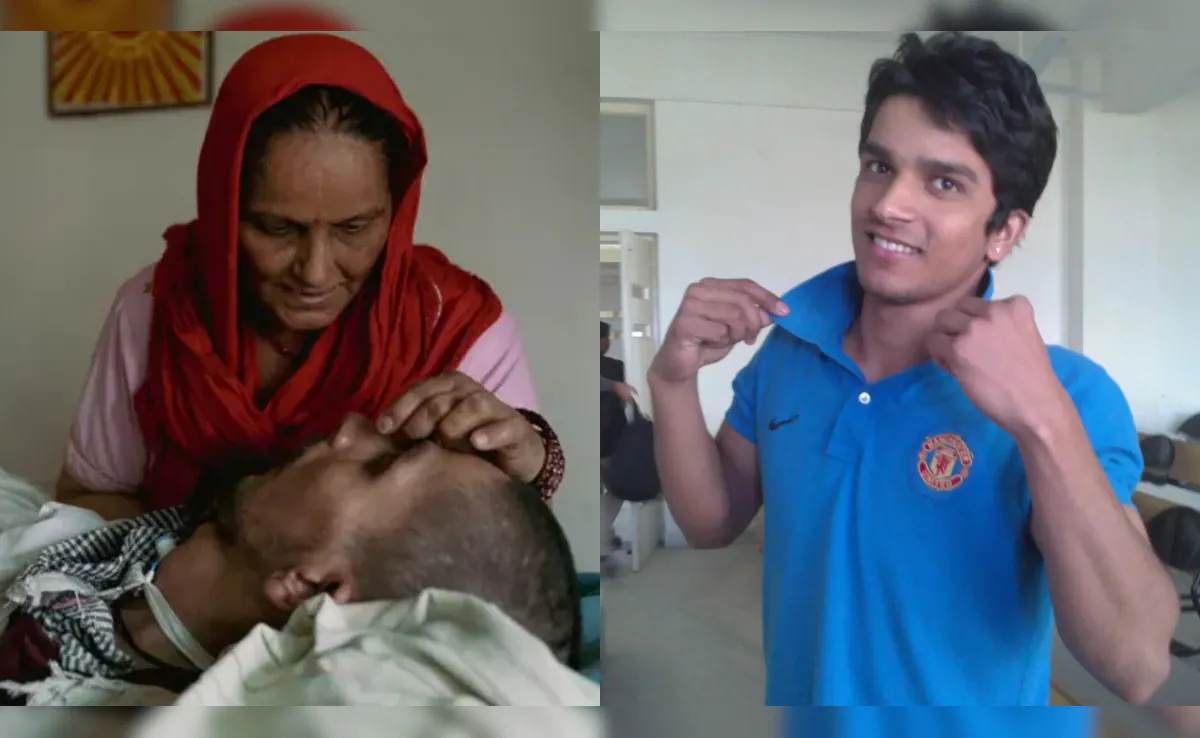
The SC Passive Euthanasia Harish Rana judgement supports the idea that patients should not be forced to live in extreme suffering when there is no hope of recovery. However, it also keeps active euthanasia illegal.
Conclusion
The SC Passive Euthanasia Harish Rana case is an important step in India’s legal and medical system. It balances the value of life with the need for dignity in death. The decision also shows that while some forms of euthanasia are allowed, strict limits are still necessary.