


Sheikh Hasina Fugitive Sedition Case: Exiled Former PM Faces Serious Charges in Bangladesh

The Sheikh Hasina Fugitive Sedition Case has sent shockwaves through Bangladesh’s political landscape as the Criminal Investigation Department (CID) formally declared the former Prime Minister a fugitive. Accused of orchestrating anti-state activities through the “Joy Bangla Brigade” digital network, Hasina now in exile in India faces allegations of promoting seditious propaganda and destabilising the interim government led by Dr. Muhammad Yunus. The case marks a pivotal moment in Bangladesh’s post-2024 political realignment, highlighting growing tensions between the old guard and the country’s new leadership.
Approval and Launch of the Sheikh Hasina Fugitive Sedition Case Probe
The CID initiated the sedition investigation after obtaining approval from Bangladesh’s Ministry of Home Affairs under Section 196 of the Criminal Procedure Code (CrPC), which mandates government authorization before proceeding with sedition related charges.

The case revolves around the “Joy Bangla Brigade”, an online network that investigators allege was used as a digital propaganda arm for Hasina’s political agenda. According to CID reports, the network propagated materials glorifying Hasina’s leadership and the ideology of her father, Sheikh Mujibur Rahman, the founding leader of Bangladesh.
Investigators claim that members of the group coordinated online efforts to undermine the credibility of the interim administration, both domestically and internationally, by disseminating disinformation campaigns and anti-government narratives.
Court Declaration and Public Notice in the Sheikh Hasina Fugitive Sedition Case
After months of inquiry, the Dhaka Metropolitan Magistrate Court-17, presided over by Judge Ariful Islam, officially declared Sheikh Hasina and 260 others absconding. The court instructed the CID to publish fugitive notices in leading national newspapers in both English and Bengali to inform the public and facilitate further legal proceedings.
The notices appeared in The Daily Star and Amar Desh, signed by CID Special Superintendent (Media) Jasim Uddin Khan. These notices not only confirmed Hasina’s fugitive status but also listed other accused individuals believed to be operating from abroad or in hiding within Bangladesh.
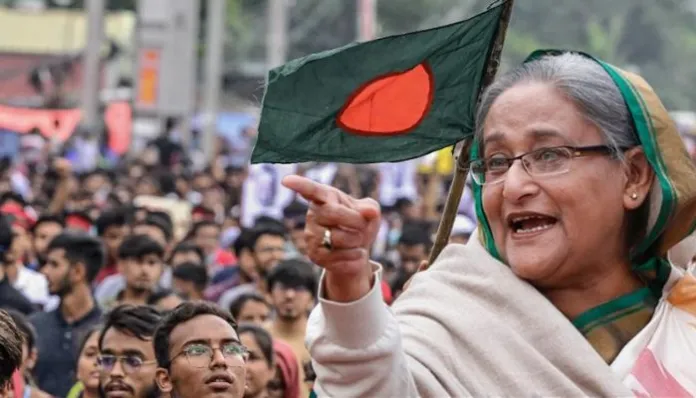
The move has intensified political tensions across the country, with the interim government framing it as a crucial step toward “restoring democratic accountability,” while Hasina’s supporters denounce it as a politically motivated witch hunt.
Charges and Findings in the Sheikh Hasina Fugitive Sedition Case
According to CID’s final chargesheet, filed against 286 individuals including Sheikh Hasina, the investigation unearthed extensive digital footprints, including encrypted communications, social media activity, and server data linking the accused to sedition related activities.
The findings suggest that the “Joy Bangla Brigade” coordinated a series of online operations to delegitimize the current administration, using rhetoric and imagery that questioned the legitimacy of the post-2024 government.
CID officials allege that the group orchestrated content portraying Dr. Muhammad Yunus the current head of Bangladesh’s interim government as being aligned with foreign interests and complicit in “economic and moral corruption.” This, they argue, amounted to a deliberate campaign to incite public unrest and erode confidence in the country’s transitional governance structure.
Investigators also highlighted the use of international social media networks and cloud servers to bypass Bangladeshi cyber laws, allowing exiled figures to coordinate digital activities remotely. Forensic teams traced several content management accounts back to IP addresses originating in India, Singapore, and the United Kingdom.
Broader Political Context and Exile
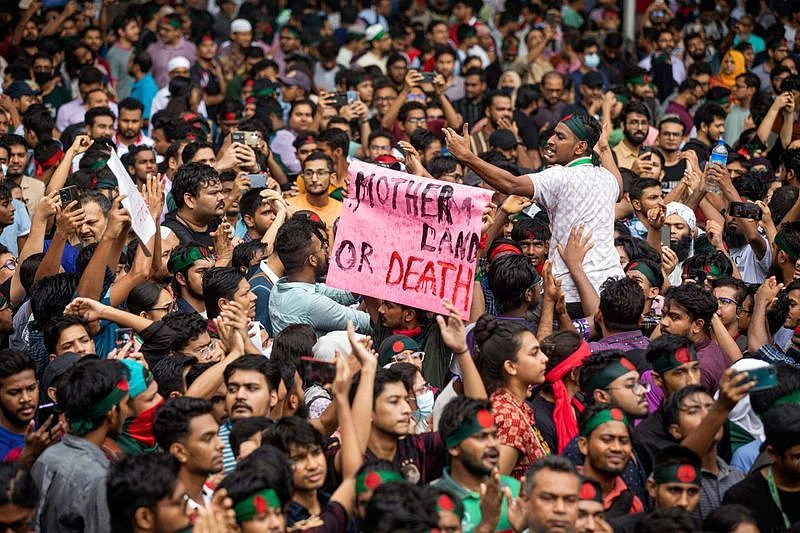
Sheikh Hasina, who served as Prime Minister of Bangladesh from 2009 until her ouster in August 2024, was deposed following a student-led uprising that swept through the nation. The movement, initially sparked by economic grievances and calls for academic reform, soon evolved into a nationwide protest against Hasina’s administration, accusing it of corruption, authoritarianism, and human rights violations.
Following her removal, Hasina reportedly fled to India through a diplomatic channel, where she is currently believed to be residing in undisclosed locations. Despite repeated denials from her close aides, Bangladeshi authorities maintain that she continues to exercise influence over digital operations and sympathizer groups advocating for her reinstatement.
The sedition charges, combined with her exile, have effectively ended Hasina’s active role in Bangladeshi politics at least for the foreseeable future. However, her political legacy and the deep-rooted divisions between her Awami League loyalists and the new Yunus-led interim administration continue to shape the nation’s discourse.
Parallel Trial for Crimes Against Humanity
In a separate and equally consequential legal proceeding, Bangladesh’s International Crimes Tribunal (ICT) has completed hearings in a crimes against humanity case against Sheikh Hasina. The charges relate to alleged torture, extrajudicial detentions, and enforced disappearances during her tenure as Prime Minister, particularly between 2018 and 2024 a period critics describe as one of the most repressive in the nation’s modern history.