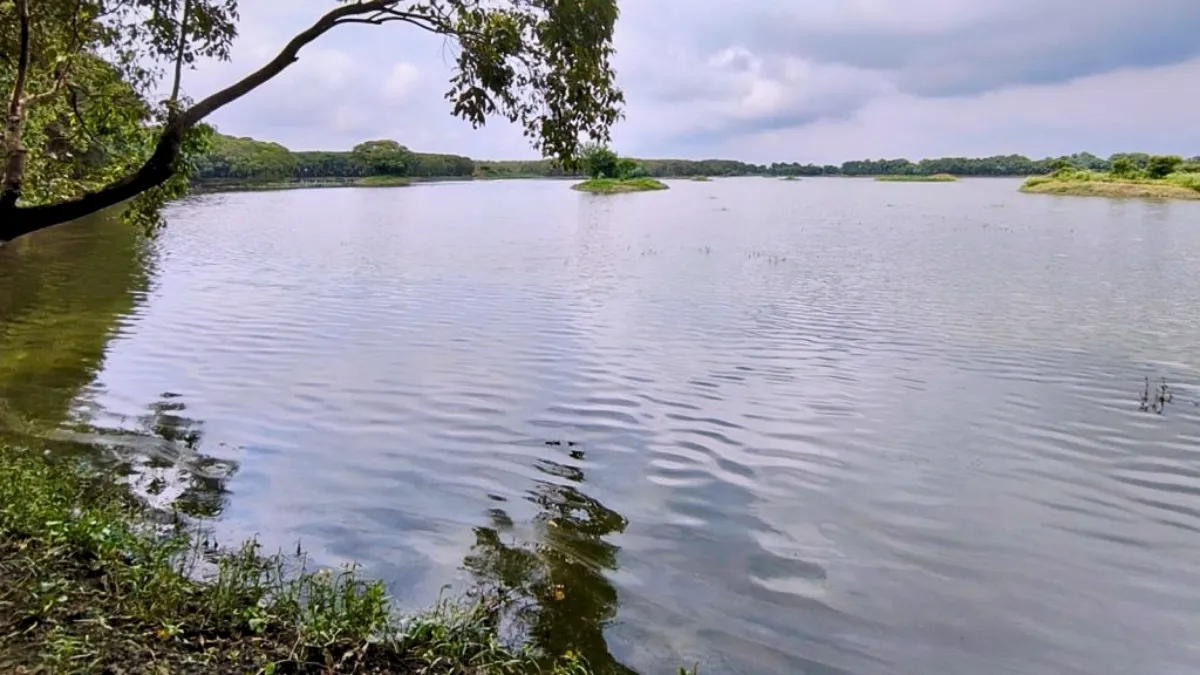
Shekha Jheel Ramsar Site Declared as India’s 99th Wetland

The Shekha Jheel Ramsar Site has been officially recognised as India’s 99th Ramsar wetland. Located in Aligarh, this important bird sanctuary in Uttar Pradesh marks a big step in the country’s wetland conservation efforts. With this addition, Uttar Pradesh now leads with the highest number of Ramsar sites in India.
Thank you for reading this post, don't forget to subscribe!The announcement was made by Bhupender Yadav, who highlighted that this recognition will support biodiversity, improve local livelihoods, and strengthen climate and water security.
Importance of Shekha Jheel Ramsar Site
The Shekha Jheel Ramsar Site is a key wetland in western Uttar Pradesh. It is widely known for its rich birdlife and natural beauty. Every year, many migratory birds visit this area, especially during winter.
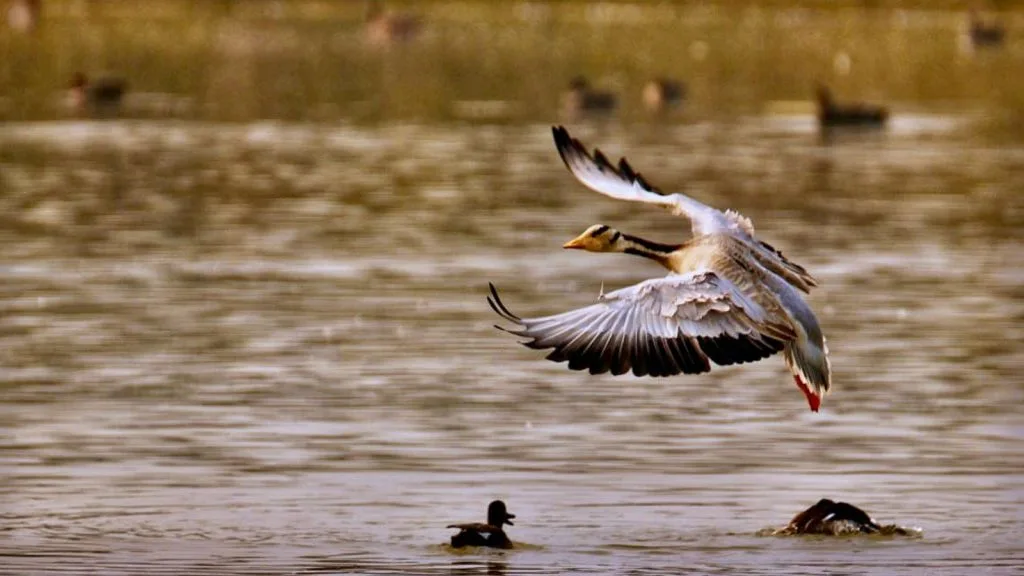
This wetland lies along the Central Asian Flyway, which is one of the most important migration paths in the world. Birds such as the Bar-headed Goose and Painted Stork are commonly seen here, along with different species of ducks.
What Ramsar Status Means
The Ramsar tag comes under the Ramsar Convention, an international agreement signed in 1971 in Ramsar. It focuses on the protection and sustainable use of wetlands.
Getting Ramsar status gives global recognition to a wetland. It helps improve conservation planning and ensures better protection of natural ecosystems. It also supports climate balance, water conservation, and biodiversity.
Boost for Eco-Tourism
The Shekha Jheel Ramsar Site is expected to attract more tourists, especially bird-watchers and wildlife photographers. Its natural beauty and bird diversity make it a perfect eco-tourism spot near Aligarh.
Eco-tourism can help local communities by creating jobs in guiding, hospitality, and conservation work. This recognition may turn Shekha Jheel into a popular nature tourism destination in northern India.
Wetland Conservation and National Importance
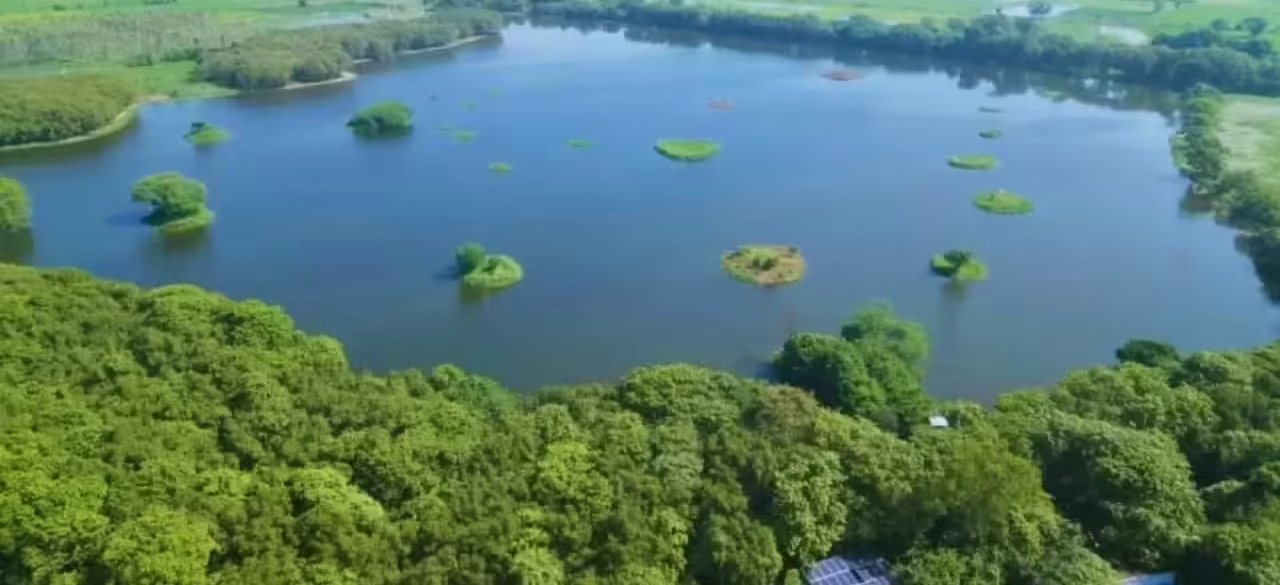
The addition of Shekha Jheel shows India’s growing focus on wetland protection. Wetlands are very important as they help control floods, recharge groundwater, store carbon, and support wildlife.
As India moves closer to achieving 100 Ramsar sites, the Shekha Jheel Ramsar Site stands as a strong example of sustainable development and environmental protection.