



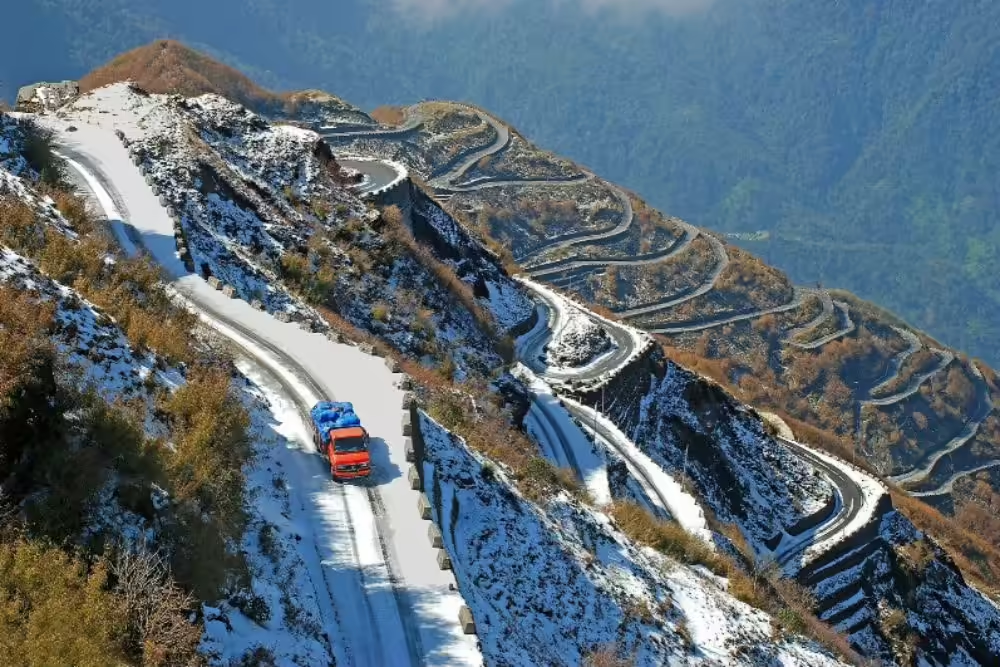
Sikkim Opens Border Tourism Routes: Cho La and Dok La Now Open to Visitors

Sikkim Opens Border Tourism Routes with a historic announcement that marks a new chapter for travel, development, and connectivity in India’s northeastern frontier. On Tuesday, Sikkim Chief Minister Prem Singh Tamang officially declared Cho La and Dok La open for tourists under the Bharat Ranbhoomi Darshan initiative. This decision is being seen as a major boost to border tourism while also supporting national development goals and strengthening ties between local communities and the rest of the country.
Thank you for reading this post, don't forget to subscribe!A Landmark Step for Border Tourism in Sikkim
The opening of Cho La and Dok La is not just about adding new destinations to the tourism map. These locations hold deep strategic and historical importance, as they lie close to India’s international borders. By allowing tourists to visit these areas, the government aims to create awareness about India’s border regions and the challenges and sacrifices involved in protecting them.
For years, many such places remained restricted due to security concerns and lack of infrastructure. Now, with improved roads, facilities, and coordination between state authorities and the Indian Army, Sikkim Opens Border Tourism Routes in a way that balances safety, sustainability, and visitor experience.
Understanding the Bharat Ranbhoomi Darshan Initiative
The Bharat Ranbhoomi Darshan initiative is a joint effort by the Ministry of Defence and the Ministry of Tourism. Its core idea is to open strategically important border areas to tourists while maintaining strict security protocols. The initiative connects tourism with patriotism, encouraging people to understand the significance of border regions in India’s national story.
Under this programme, visitors get the opportunity to see places that were earlier known only through maps or news reports. At the same time, the initiative focuses on building infrastructure such as roads, accommodation, and basic services, which directly benefits local residents. As Sikkim Opens Border Tourism Routes, the state becomes a key example of how tourism and national interest can move forward together.
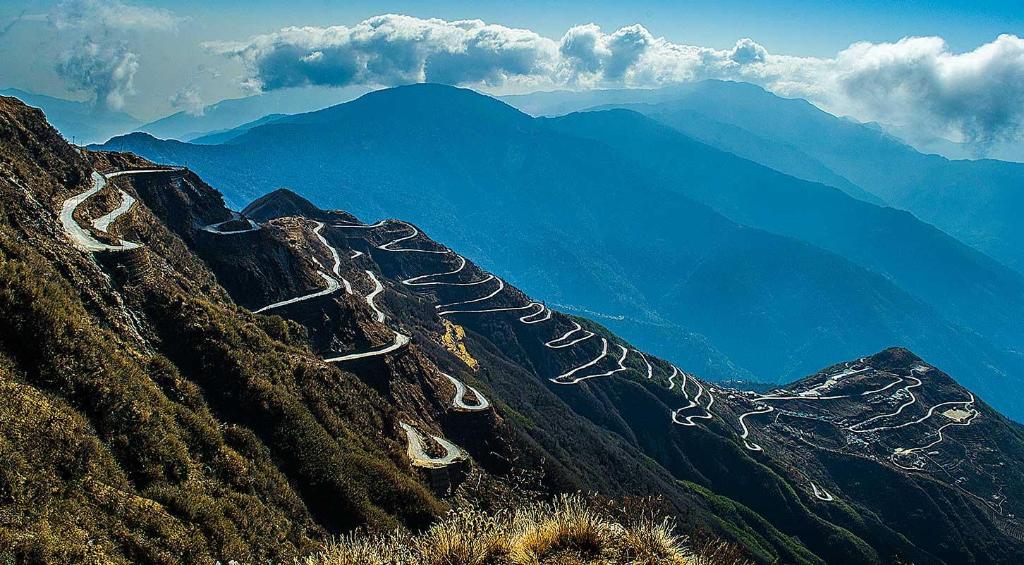
Linking Development With the Vibrant Villages Programme
Chief Minister Prem Singh Tamang highlighted that the decision follows the principle of “developing the last village first.” This vision closely matches the Government of India’s Vibrant Villages Programme, which aims to speed up development in border villages.
Border areas often face challenges like limited access to markets, education, healthcare, and employment. With tourism reaching these regions, there is fresh hope for change. Improved connectivity means better access to essential services, while visitor inflow creates new income sources for villagers through homestays, guiding services, transport, and local products.
As Sikkim Opens Border Tourism Routes, the focus is not only on attracting tourists but also on ensuring that development reaches the people who live closest to the borders.
Role of the Indian Army and Government Coordination
The successful opening of Cho La and Dok La would not have been possible without close coordination between the Indian Army, the Sikkim Tourism Department, and the Government of India. Chief Minister Tamang openly acknowledged their support and cooperation.
The Indian Army plays a crucial role in maintaining security in these sensitive areas. By working alongside civilian authorities, the Army has helped make tourism possible without compromising safety. The Chief Minister also expressed gratitude to the Army for organising events like the Supercar Rally, which brought national attention to the region and showcased its potential as a tourism destination.
This strong partnership shows how civil and defence institutions can work together to create opportunities in remote areas. As Sikkim Opens Border Tourism Routes, this model of cooperation may inspire similar initiatives in other border states.
Cho La and Dok La: More Than Just Destinations
Cho La and Dok La are known for their breathtaking landscapes, high-altitude passes, and deep historical relevance. Visiting these places offers tourists a unique experience that combines natural beauty with a sense of national pride.
The terrain, weather, and location make these areas different from typical tourist spots. This is why authorities are focusing on responsible and regulated tourism. Infrastructure development is being planned carefully to protect the fragile mountain environment while ensuring visitor safety.
For many travelers, the chance to stand at such locations is both emotional and educational. As Sikkim Opens Border Tourism Routes, it allows people to connect more closely with the realities of life at the borders.
Economic and Social Impact on Local Communities
One of the most important outcomes of opening border tourism routes is the positive impact on local livelihoods. Increased tourist movement creates demand for accommodation, food services, transportation, and cultural experiences. This opens doors for local youth and entrepreneurs to find work without leaving their villages.
Small businesses, traditional crafts, and local cuisine can gain new markets. Over time, this can lead to better living standards and reduced migration from border areas. When people see opportunities at home, they are more likely to invest in their communities.
With Sikkim Opens Border Tourism Routes, tourism becomes a tool for inclusive growth rather than just an industry for urban centers.
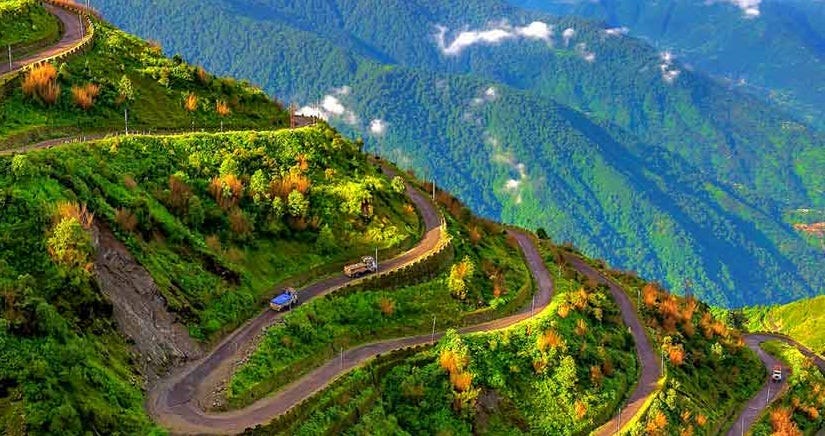
Strengthening National Connection With Border Regions
Border tourism also plays a role in strengthening people-to-people connection. When visitors from different parts of India travel to frontier regions, it creates understanding and respect for the lives of those who live there. It also highlights the importance of border regions in the country’s overall security and identity.
Such visits can inspire a sense of unity and shared responsibility. They remind citizens that border villages are not distant edges of the map, but living parts of the nation.
Looking Ahead for Sikkim’s Border Tourism
The declaration that Cho La and Dok La are open to tourists signals a long-term vision for Sikkim. Authorities have assured that infrastructure development will continue, with a focus on sustainability, safety, and environmental care.
As Sikkim Opens Border Tourism Routes, it sets an example of how strategic regions can be opened thoughtfully for public engagement. The move combines tourism, development, and national awareness into a single pathway, offering new possibilities for the state and its people while giving travelers a meaningful and memorable experience.