Sirarakhong Hathei Chilli Festival: A Fiery Celebration of Culture, Economy, and Sustainability in Manipur

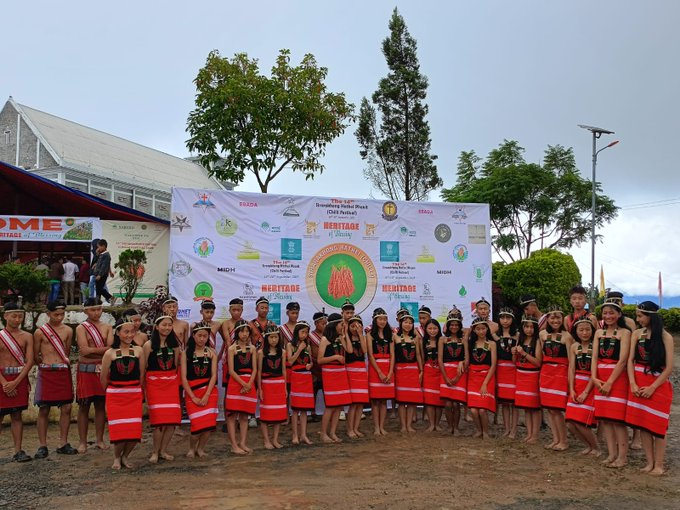
The Sirarakhong Hathei Chilli Festival has once again set the picturesque hills of Ukhrul district in Manipur ablaze with vibrant colours, cultural pride, and the distinct aroma of the region’s world-famous chilli. The 14th edition of the Sirarakhong Hathei Chilli Festival was recently inaugurated in Sirarakhong Village, marking the beginning of a 14-day celebration that beautifully blends agriculture, culture, and environmental consciousness.
Thank you for reading this post, don't forget to subscribe!This unique festival not only honours the Geographical Indication (GI)-tagged Hathei chilli but also showcases how local agricultural produce can become a symbol of community identity, economic empowerment, and sustainable development.
The Essence of the Hathei Chilli
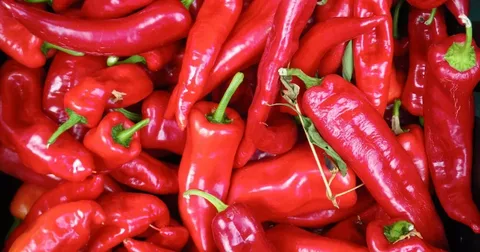
At the heart of the celebration lies the Hathei chilli, a native crop that defines Sirarakhong’s agricultural and cultural landscape. Cultivated in the cool, fertile hills of Ukhrul, the Hathei chilli stands out for its vivid red hue, strong aroma, and moderate pungency. Unlike many other chillies grown in India, Hathei chilli is prized not just for its flavour but also for its visual appeal, making it a sought-after ingredient for pickles, traditional dishes, and processed food products.
The recognition of Hathei chilli with a GI tag has elevated its status nationally. This certification authenticates its geographical origin, ensuring that only chillies grown in Sirarakhong can be marketed under the name “Hathei.” It protects local farmers from imitation products while increasing the market value and demand for the authentic variety. The GI tag is more than a legal protection it’s a celebration of the farmers’ dedication, preserving the legacy of a spice that connects Manipur’s rural heartlands to India’s broader culinary map.
Empowering Local Farmers and Boosting Agri-Tourism
The Sirarakhong Hathei Chilli Festival plays a vital role in strengthening Manipur’s rural economy. By providing a direct platform for farmers to sell their produce, it eliminates middlemen, ensuring fairer prices and greater profit margins for cultivators. This model of community-driven agricultural marketing serves as an inspiration for other regions seeking to empower small-scale farmers.
Moreover, the festival has become a beacon for agri-tourism in the Northeast. Tourists from across India visit Ukhrul during the event to experience local life, cuisine, and traditions. Visitors get to explore Hathei chilli farms, attend live cooking sessions, and purchase authentic chilli-based products directly from the producers. The festival also attracts researchers, traders, and entrepreneurs interested in organic farming and sustainable food systems.
This growing attention has spurred local entrepreneurship, encouraging youth to explore new business opportunities in food processing, packaging, and chilli-based products. It’s a fine example of how a single local product can stimulate rural innovation and job creation.
Cultural Heritage on Display
Beyond its agricultural and economic significance, the Sirarakhong Hathei Chilli Festival serves as a vibrant showcase of Tangkhul Naga culture. Traditional music, dance, and art performances fill the air, offering a glimpse into the rich heritage of the region. The festival fosters a spirit of unity among different tribes and communities, creating a sense of shared identity and cultural pride.
From indigenous costumes to folk songs, the event celebrates the Tangkhul people’s deep connection with the land. Local artisans display handicrafts, traditional ornaments, and woven textiles, highlighting the craftsmanship that defines Manipur’s cultural fabric. For the younger generation, the festival is both an education and an inspiration an opportunity to stay rooted in tradition while embracing modern opportunities.
Blending Ecology with Celebration
In recent years, the festival has embraced environmental awareness as a core theme. This year’s edition included a tree plantation drive under the national campaign “Ek Ped Maa Ke Naam”, aligning the celebration with India’s broader green movement.
Through this initiative, villagers and visitors participated in planting saplings, reinforcing the message that economic progress must go hand in hand with environmental responsibility. Awareness programs on deforestation, climate change, and biodiversity conservation were also held, emphasizing the link between sustainable agriculture and ecological balance.
By integrating ecological initiatives into the festival, the organisers have successfully transformed a traditional celebration into a model of eco-friendly community development. The approach highlights that preserving local biodiversity is essential for maintaining the quality and identity of the Hathei chilli itself.
A Model for Rural Transformation
The Sirarakhong Hathei Chilli Festival is not just a local event it’s a blueprint for sustainable rural development. It exemplifies how local produce, when properly recognized and marketed, can uplift entire communities. The festival’s combination of agricultural innovation, cultural revival, and environmental stewardship demonstrates a holistic approach to progress.
At its core, the festival aims to:
- Promote the GI-tagged Hathei chilli as a flagship product of Manipur.
- Empower local farmers by building direct market connections.
- Preserve indigenous culture and promote inter-community harmony.
- Encourage environmental sustainability through eco-friendly practices.
With each passing year, the Sirarakhong Hathei Chilli Festival grows not only in scale but also in significance. It has become a proud symbol of Manipur’s agricultural resilience and cultural richness a fiery reminder that true progress thrives where tradition, innovation, and sustainability meet.