Protein P47 Unlocks New Role as Mechanical Chaperone in Cellular Protection

Protein P47 has recently emerged as a key player in safeguarding cellular proteins from mechanical stress. In groundbreaking research, scientists at the S. N. Bose National Centre for Basic Sciences (SNBNCBS) discovered that Protein P47 functions as a mechanical chaperone stabilising other proteins when they are under physical strain. This revelation opens new avenues for understanding how cells maintain protein stability and could lead to innovative treatments for diseases linked to protein misfolding and mechanical stress.
Thank you for reading this post, don't forget to subscribe!Discovery of Protein P47’s Hidden Role
For years, Protein P47 was considered merely an accessory partner to the powerful cellular machine known as p97. However, the new study led by Dr Shubhasis Haldar challenges this assumption. Using single-molecule magnetic tweezers, the researchers simulated the mechanical forces that proteins experience within cells. These controlled experiments revealed that Protein P47 binds to proteins stretched by mechanical force and assists in their refolding process.
This activity, similar to that of canonical chaperones, indicates that P47 is not a passive cofactor but an active stabilizer under mechanical pressure. The discovery marks the first time a cofactor has been shown to act as a mechanical chaperone, suggesting that accessory proteins might have broader biological functions than previously understood.
Role of Mechanical Stress in Cellular Life
Inside every cell, proteins undergo constant mechanical challenges. Processes such as intracellular transport, cytoskeletal rearrangements, and protein degradation generate physical forces that can cause proteins to unfold or misfold. These structural disruptions can impair function and trigger cellular stress responses. Maintaining proper protein conformation is thus vital for cell survival and health.
Until this study, only traditional chaperones were recognized for their role in refolding and protecting proteins from such damage. The idea that accessory proteins like Protein P47 could directly defend against mechanical stress introduces a transformative concept in cell biology.
How Protein P47 and p97 Work Together
The protein p97, also known as valosin-containing protein (VCP), is a molecular engine responsible for moving and degrading proteins within cells. It plays an essential role in extracting misfolded proteins from the endoplasmic reticulum (ER) for recycling. Protein P47 was long thought to merely regulate this process, assisting p97 in protein trafficking, membrane fusion, and degradation.
However, the new findings reveal that Protein P47 does much more. It not only helps p97 operate efficiently but also contributes directly to the mechanical stability of proteins. When polypeptides are extracted from the ER into the cytoplasm, P47 minimizes the risk of misfolding caused by mechanical strain. This function allows the cell to handle stress conditions more effectively and maintain its internal balance.
Biomedical and Therapeutic Implications
The implications of this discovery extend far beyond basic biology. Many diseases are linked to protein instability under mechanical stress, including heart muscle disorders and laminopathies, which affect the structural proteins of the cell nucleus. Understanding how Protein P47 enhances protein resilience could inspire new therapeutic approaches that target mechanical aspects of protein misfolding.
By modulating or mimicking the mechanical chaperone activity of P47, scientists may be able to design treatments that strengthen cellular resistance to physical stress. Such strategies could protect tissues, especially those like muscle and cardiac cells, that routinely endure mechanical forces.
Expanding the Understanding of Protein Quality Control
The single-molecule evidence presented in this study provides compelling proof that cofactors can independently act to preserve protein integrity. This challenges the long-held belief that only canonical chaperones are capable of aiding proteins under force. It points to a new layer of protein quality control within cells one that involves both mechanical and chemical stabilization mechanisms.
The discovery encourages a re-evaluation of accessory proteins’ roles across biological systems. If other cofactors share similar mechanical chaperone properties, it could reshape our understanding of how cells maintain stability in dynamic environments.
Future Directions and Scientific Importance
This study represents a pivotal moment in molecular biophysics and cell biology. It bridges the gap between mechanical forces and biochemical regulation, showing that cells possess intricate systems to handle both. Protein P47’s newfound role highlights how versatile and adaptive cellular machinery can be.
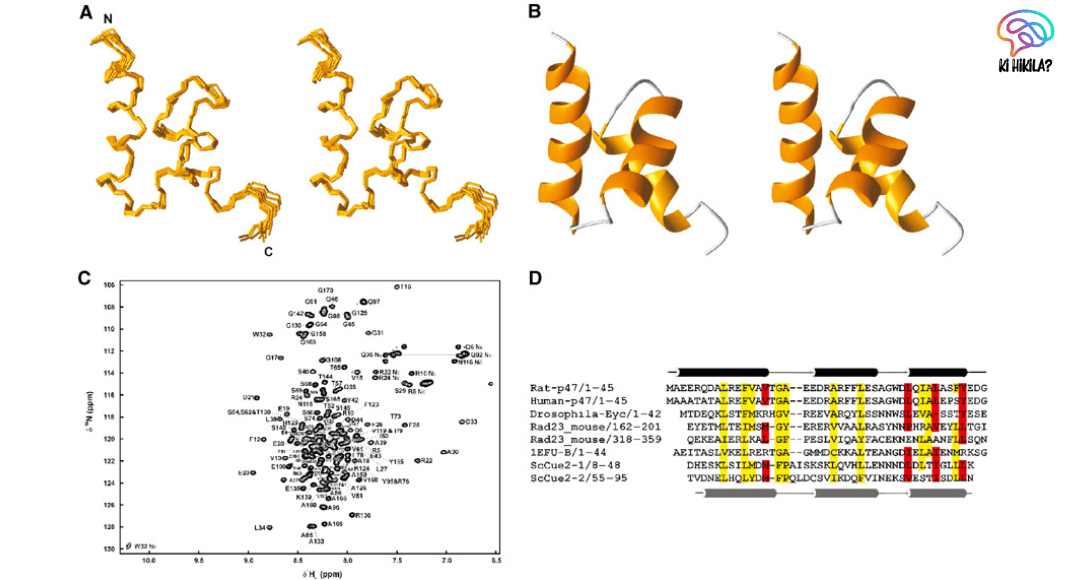
Researchers are now looking to explore whether other cofactors exhibit similar protective functions. If confirmed, this could reveal a new class of mechanical chaperones, revolutionizing how scientists approach diseases of protein misfolding and mechanical dysfunction.
Towards a New Era of Cellular Mechanics
The discovery of Protein P47’s dual functionality changes how scientists view intracellular resilience. It underscores the importance of mechanical forces in biology and offers a framework for studying protein behavior under real-life cellular conditions. The findings from the SNBNCBS team set the stage for developing targeted therapies that enhance protein stability and cellular endurance.
As research continues, Protein P47 may become a central focus in efforts to decode how cells combat physical stress, offering hope for new treatments that preserve protein structure and function under pressure.