Wangchhu Hydroelectric Project Boosts India-Bhutan Renewable Energy Partnership

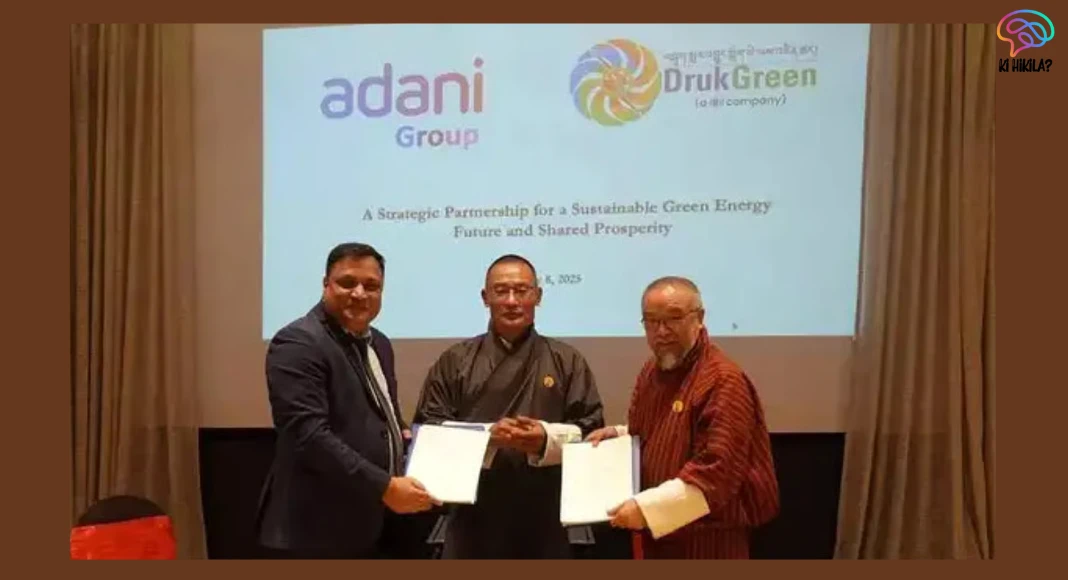
Wangchhu Hydroelectric Project marks a new chapter in India-Bhutan energy cooperation. The Adani Group and Bhutan’s Druk Green Power Corporation (DGPC) signed a landmark agreement in 2025 to develop the 570 MW Wangchhu Hydroelectric Project. This ambitious initiative is valued at Rs 6,000 crore and represents a significant step toward strengthening regional renewable energy collaboration. The project will operate on a Build, Own, Operate, Transfer (BOOT) model, with construction scheduled to begin in early 2026 and completion expected within five years.
Thank you for reading this post, don't forget to subscribe!Project Overview
The Wangchhu Hydroelectric Project is a run-of-river scheme located on the Wangchhu River in Bhutan’s Chukha District. This river is one of the key tributaries of the Brahmaputra, playing a vital role in the hydro network of the region. The project will feature four turbines, each with a capacity of 142.5 MW, combining to generate nearly 2,478.93 GWh of electricity annually. Designed to balance Bhutan’s seasonal energy demand, it will supply power during the country’s winter months while exporting surplus electricity to India during the summer.
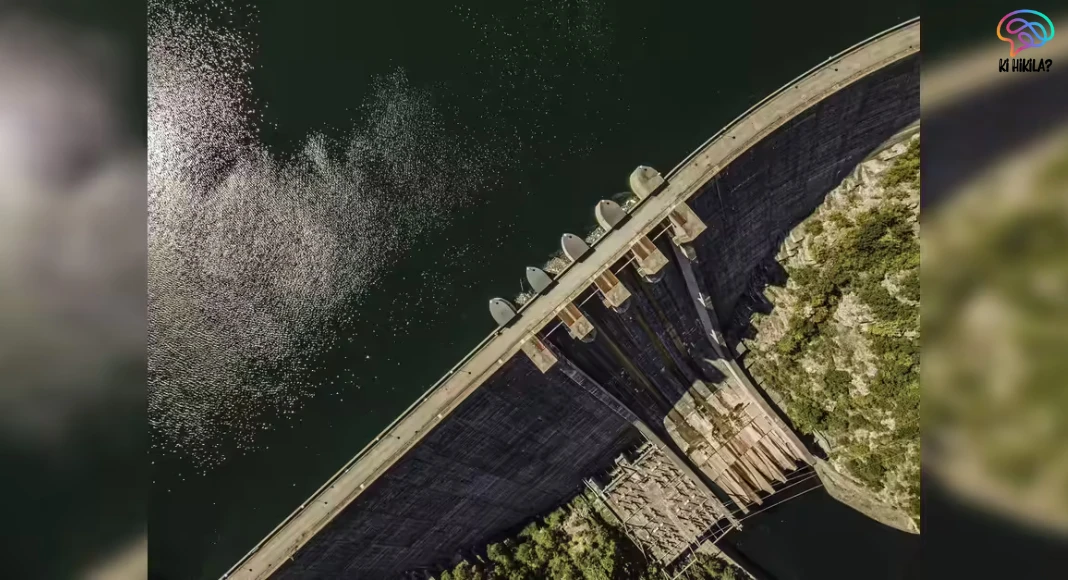
This project is expected to become a model of clean and sustainable energy generation in South Asia. By optimizing the natural flow of the Wangchhu River, it will reduce the environmental impact that often accompanies large dam-based hydro projects.
Strategic Partnership and Investment
The Wangchhu Hydroelectric Project stands as the first major initiative under the Memorandum of Understanding signed in May 2025 between Adani Power and DGPC. The MoU aims to develop up to 5,000 MW of hydropower capacity across Bhutan, highlighting a deepening cooperation between the two nations in the renewable energy sector.
The Rs 6,000 crore investment is not just about infrastructure; it symbolizes a shared commitment to clean energy and long-term economic stability. Both countries view this as a strategic move toward energy diversification and carbon neutrality. The Adani Group’s participation will bring in advanced engineering, financial resources, and project management expertise, while DGPC will contribute local knowledge and regulatory support.
Future collaborations under this partnership are already being discussed, with plans to identify additional hydropower sites across Bhutan’s river systems. Together, Adani Power and DGPC envision Bhutan as a regional leader in sustainable energy export.
Economic and Energy Impact
Bhutan currently produces over 2,500 MW of hydroelectric power, which accounts for a large share of its GDP. The Wangchhu Hydroelectric Project will further strengthen the country’s position as a clean energy hub in South Asia. It will also help the Bhutanese government achieve its goal of generating 25,000 MW of electricity by 2040.
The new project is expected to stabilize Bhutan’s seasonal energy supply, ensuring consistent power availability during the dry winter months. Moreover, the export of surplus electricity to India will bring significant revenue, boosting Bhutan’s foreign exchange reserves.
For India, the project holds equal importance. It provides access to clean, renewable energy, helping the country reduce its dependence on fossil fuels and move closer to its 2070 net-zero emission target. This initiative also aligns with India’s National Electricity Plan, which emphasizes sustainable and cross-border energy partnerships.
Operational Model and Local Development
The BOOT model adopted for the Wangchhu Hydroelectric Project ensures a balance between private investment and national ownership. Under this structure, Adani Power will build, own, and operate the project for a defined period before transferring full ownership to the Bhutanese government. This approach reduces the financial burden on Bhutan while ensuring technical expertise and operational efficiency during the project’s lifecycle.
The project is anticipated to generate significant employment opportunities for local communities, both during the construction and operational phases. It will also lead to improvements in local infrastructure such as roads, bridges, and communication facilities. These developments are expected to enhance the quality of life for residents in Bhutan’s Chukha District and surrounding areas.
Regional and Environmental Significance
The Wangchhu Hydroelectric Project highlights the growing importance of renewable energy cooperation in South Asia. Its strategic location in the eastern Himalayas strengthens the India-Bhutan relationship, particularly in the energy and environmental sectors.
Unlike large reservoir-based hydropower projects, this run-of-river design minimizes ecological disruption. The environmental impact is relatively low, as it does not require massive displacement or flooding of surrounding areas. The project also integrates measures for fish migration and sediment control to maintain river health.
Beyond energy generation, this collaboration symbolizes mutual trust and shared sustainability goals between India and Bhutan. It reflects Bhutan’s commitment to remaining carbon-negative and India’s vision of leading the global clean energy transition.
Broader Implications
The success of the Wangchhu Hydroelectric Project could pave the way for similar cross-border renewable energy ventures across South Asia. As energy demand continues to rise, partnerships like this demonstrate how regional cooperation can address both environmental and economic challenges.
In the years ahead, the Wangchhu project is expected to emerge as a cornerstone of India-Bhutan energy relations. By combining technological innovation, environmental responsibility, and economic growth, it stands as a powerful example of how sustainable development can unite neighboring nations for a cleaner and more prosperous future.