Sarnath Archaeology: ASI Revises History to Credit Indian Descendant for Landmark Excavation

Sarnath Archaeology is once again in the spotlight as the Archaeological Survey of India (ASI) prepares to install a revised plaque at the historic site. This update comes after new research and findings credit Babu Jagat Singh, a descendant of the erstwhile ruler of Benares, for the initial excavation and preservation of Sarnath. Historically, the credit for unveiling Sarnath’s archaeological importance was given to British officers. However, the recognition of Jagat Singh’s role marks a significant step in correcting historical records, especially as India readies the site for a UNESCO World Heritage nomination.
Thank you for reading this post, don't forget to subscribe!Historical Background of Sarnath Archaeology
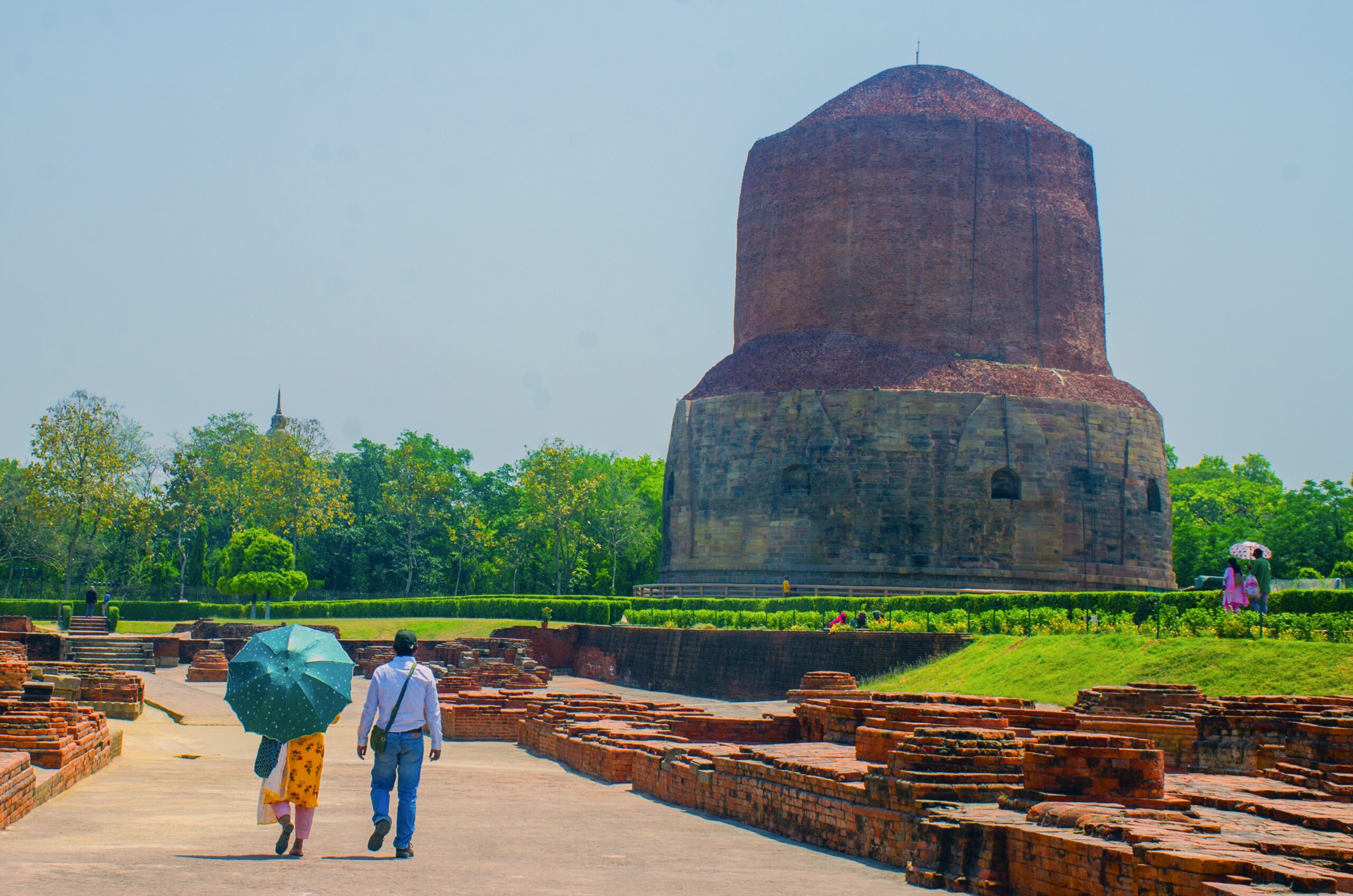
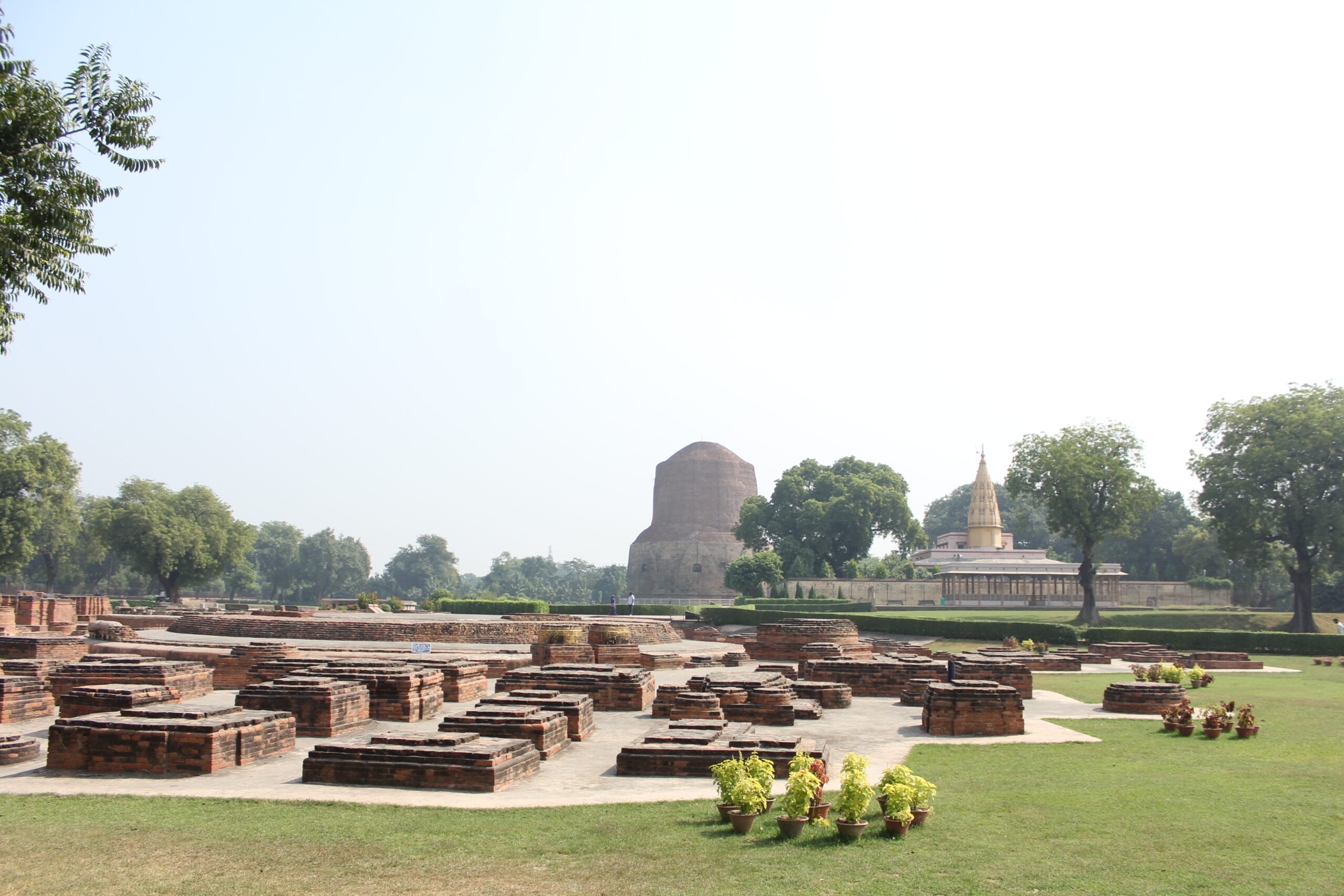
Sarnath stands as one of the most revered Buddhist pilgrimage destinations. It was here that Lord Buddha delivered his first sermon, setting in motion the Dhammachakra Pravartana the turning of the Wheel of Dharma. Located just 10 kilometers from Varanasi, Sarnath’s archaeological remains trace back from the 3rd century BCE to the 11th century CE, offering a continuous timeline of Buddhist, Jain, and Hindu influences.
Among its many treasures, the Ashokan pillar emblazoned with the four-lion capital has become the national emblem of India, symbolizing peace and power. The site draws thousands of international pilgrims and scholars annually, especially from Japan, Thailand, and Sri Lanka, who see Sarnath as a living monument to Buddha’s message of compassion and enlightenment.
Rediscovering Babu Jagat Singh’s Role in Sarnath Archaeology
Central to the ASI’s revised account is Babu Jagat Singh, an Indian nobleman from the family of Raja Chait Singh, the erstwhile ruler of Benares. In 1787–88, Jagat Singh initiated excavations at Sarnath, originally to obtain bricks and stones for building purposes. However, during the process, Buddhist relics and sculptures were unearthed relics that predate the officially recorded British excavations by more than a decade.
Some of these early discoveries eventually made their way to the Asiatic Society in Kolkata, forming the basis of later scholarly studies. The new plaque, according to ASI officials, will acknowledge Jagat Singh’s pioneering role in bringing the site’s archaeological and spiritual value to public attention.
This recognition is not just symbolic it’s an act of historical justice, restoring agency to local figures who were instrumental in uncovering India’s ancient heritage long before British scholars arrived.
Re-examining British Contributions to Sarnath Archaeology
Until now, the existing plaque at Sarnath credited British officers such as Mr. Duncan and Colonel Mackenzie, who conducted formal documentation of the site in 1798. Later, prominent archaeologists including Alexander Cunningham, Major Kittoe, F. O. Oertel, Sir John Marshall, M. H. Hargreaves, and Dayaram Sahni carried out systematic excavations under the British administration.
The Archaeological Survey of India, founded in 1861 under Cunningham, institutionalized archaeological research in India. However, as the new findings indicate, local contributions predating the ASI’s formation have been overlooked. The updated plaque will thus contextualize British efforts within a longer timeline that begins with indigenous discovery and interest.
Recent Discoveries and New Understanding of Sarnath’s Timeline
Sarnath continues to yield insights into India’s ancient past. Excavations led by archaeologist B. R. Mani in 2013–14 revealed evidence of continuous Buddhist activity at the site even before Emperor Ashoka’s reign.
These discoveries suggest that Sarnath was already a flourishing religious center soon after Buddha’s lifetime and remained active for centuries afterward. This challenges the earlier notion that Ashoka single-handedly transformed Sarnath into a Buddhist hub.
The revised ASI plaque will incorporate these updated interpretations, ensuring that visitors encounter a historically accurate and nuanced narrative reflecting both indigenous and imperial contributions to the site’s legacy.
Towards UNESCO World Heritage Recognition
After nearly 27 years on UNESCO’s tentative list, India has officially nominated Sarnath for inclusion in the 2025–26 World Heritage roster. The proposal underscores Sarnath’s universal value as a place where Buddhism was first preached and practiced in an institutional setting.
If approved, the designation will significantly boost Sarnath’s global profile, increase international tourism, and reinforce India’s image as the land of Buddha and ancient wisdom. The upcoming UNESCO evaluation team’s visit adds urgency to ASI’s efforts to ensure that all historical details especially those concerning the site’s discovery are presented with accuracy and inclusivity.
Efforts to Restore Historical Truth in Sarnath Archaeology
The descendants of Babu Jagat Singh have long sought official acknowledgment of their ancestor’s contribution. Over the years, they petitioned for corrections to interpretive boards and museum notices at Sarnath, many of which previously used misleading colonial terms such as destroyer in reference to Jagat Singh’s early excavations.
Following multiple reviews, the ASI has agreed to update all textual displays and plaques, removing outdated or biased language. This step is part of a broader nationwide effort to re-examine colonial-era historical accounts and restore due credit to indigenous figures in the preservation of Indian heritage.
The recognition of Jagat Singh’s role also sets a precedent for inclusive archaeology, where local narratives and oral histories complement formal excavations and archival studies.
Conclusion: Reclaiming the Legacy of Sarnath Archaeology
The revised Sarnath plaque is more than a mere correction it’s a symbolic restoration of truth, affirming that the roots of India’s archaeological heritage lie within its own soil and its own people.
As India moves closer to achieving UNESCO World Heritage status for Sarnath, the acknowledgment of Babu Jagat Singh’s pioneering efforts bridges a historical gap spanning over two centuries. It transforms Sarnath from a site remembered only for its Buddhist glory into a testament to India’s enduring spirit of discovery, preservation, and cultural pride.