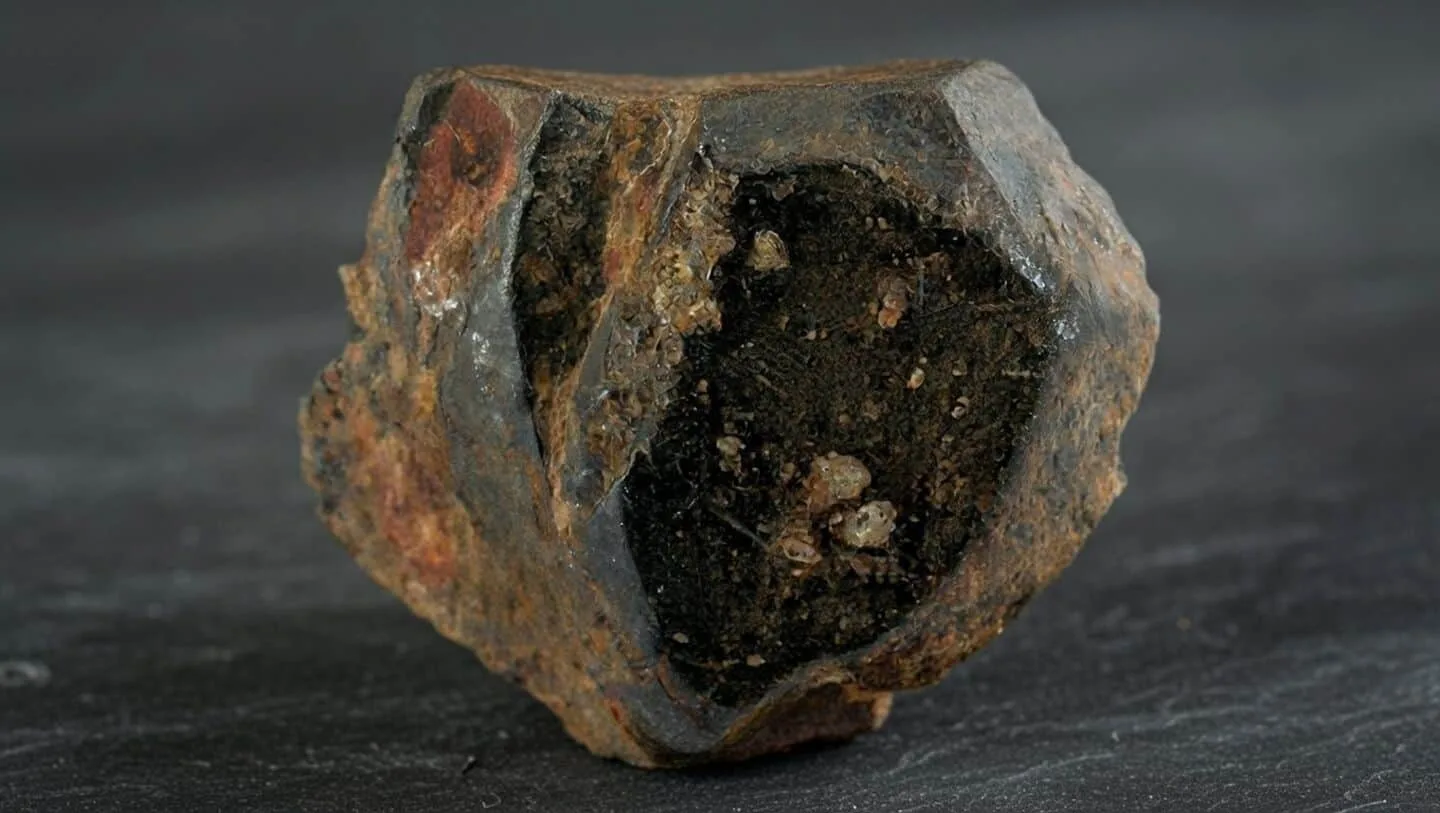
Titanium-Rich Lunar Basalts Study Reveals Moon’s Hidden Formation Process

A new study by researchers from IIT Kharagpur and Physical Research Laboratory has revealed new details about how titanium-rich basalts formed on the Moon. Published in Geochimica et Cosmochimica Acta, the research explains why lunar rocks have much higher titanium levels than rocks on Earth.
Thank you for reading this post, don't forget to subscribe!Unusual Composition in Titanium-Rich Lunar Basalts Study
The Titanium-Rich Lunar Basalts Study shows that lunar volcanic rocks are very different from Earth’s. On Earth, most volcanic rocks have less than 2% titanium dioxide. But on the Moon, some basalts contain up to 18% titanium dioxide. These rocks were formed from ancient lava flows billions of years ago. Scientists had long struggled to explain this unusual composition, making this study an important breakthrough.
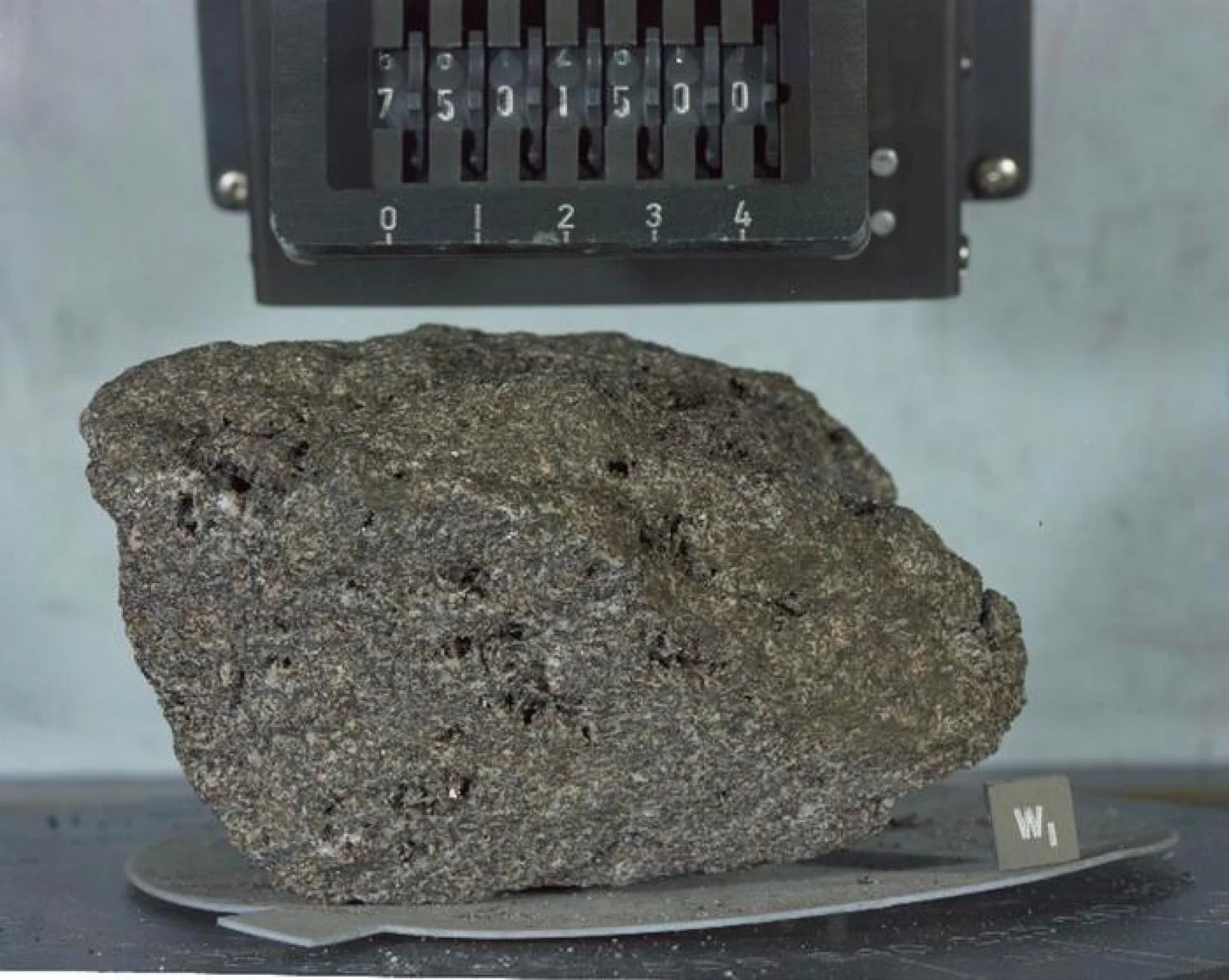
Experiments in Titanium-Rich Lunar Basalts Study
In the Titanium-Rich Lunar Basalts Study, researchers recreated conditions deep inside the Moon. They used high-pressure and high-temperature experiments to simulate depths of nearly 700 km. The results suggest that these basalts formed through a two-step process. First, melting occurred deep inside the Moon. Then, chemical mixing happened between titanium-rich layers and the mantle. This process explains both the titanium and magnesium levels found in lunar rocks.
Role of Ilmenite in Titanium-Rich Lunar Basalts Study
The Titanium-Rich Lunar Basalts Study highlights the importance of ilmenite, a mineral rich in titanium. During the Moon’s early history, a dense layer containing ilmenite formed as the Moon cooled. This layer sank into the mantle and partially melted over time. The melted material created titanium-rich magma. Some of this magma stayed deep inside, while some mixed with rising molten rock and eventually reached the surface as lava.
Future Impact of Titanium-Rich Lunar Basalts Study
The Titanium-Rich Lunar Basalts Study will help future Moon missions. It can guide scientists in choosing better landing sites and collecting useful samples. This is especially important for India’s Chandrayaan-4 mission. The research also shows India’s growing strength in space science and advanced experiments related to planetary studies.