UNESCO Aghanashini Project Concern Over River Linking Plan

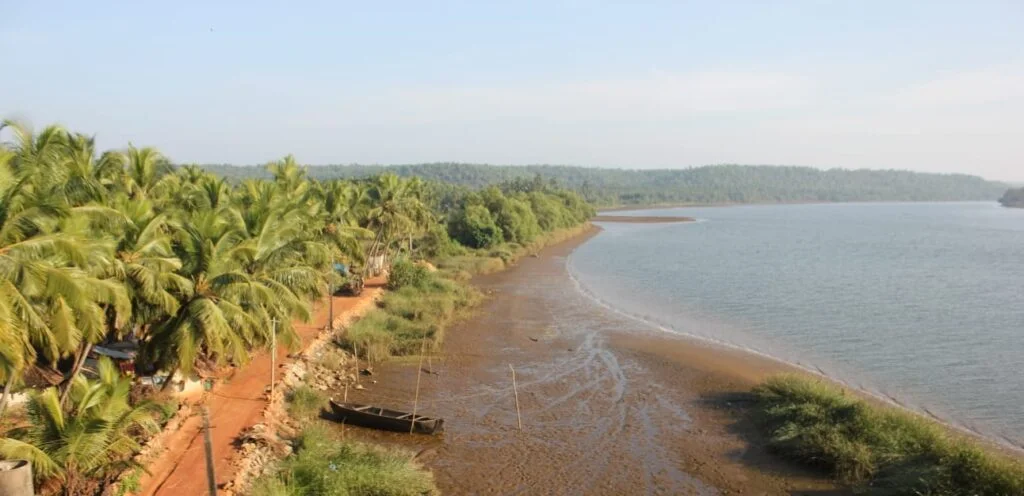
UNESCO Aghanashini Project Concern has come into focus after UNESCO raised serious issues about the proposed Aghanashini–Vedavathi river-linking project in India. The organisation has urged the country to follow strict conservation rules to protect sensitive natural regions.
Thank you for reading this post, don't forget to subscribe!UNESCO Aghanashini Project Concern on Conservation Norms
UNESCO highlighted that any major development project must follow guidelines under the World Heritage Convention. It stressed that activities in fragile ecological areas should not harm the natural balance and must adopt sustainable methods. As a member state, India has the duty to protect its natural heritage.
Environmental Risks in Western Ghats
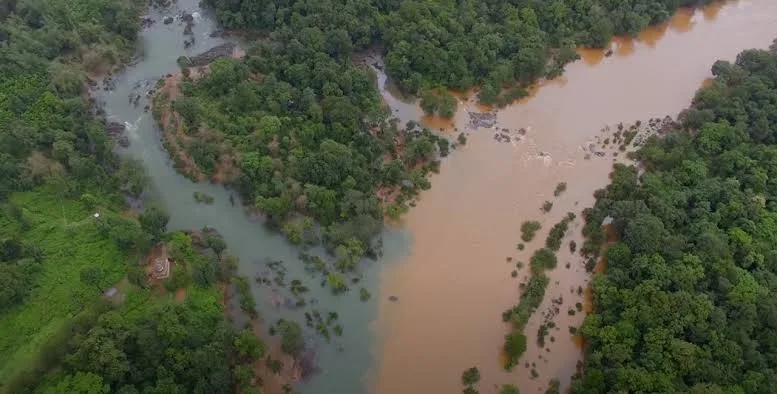
The proposed project has raised alarms among environmental activists. The Western Ghats is known for its rich biodiversity and is recognised as a World Heritage Site. Experts warn that diverting river water could disturb the natural ecosystem, affect wildlife, and reduce water availability for local communities.
Project Plan and Public Opposition
The river-linking project aims to transfer about 35 thousand million cubic feet of water from the Aghanashini river to the Vedavathi river. Critics believe this plan lacks proper scientific backing and may disrupt natural water flow. Many local people have also opposed the project, as it could impact livelihoods, agriculture, and water resources.
Impact on Policy and Sustainability
The issue reflects the growing challenge between development and environmental protection. The concerns raised under UNESCO Aghanashini Project Concern show the importance of careful planning, proper environmental assessment, and sustainable decision-making. This case may influence future policies on river linking and conservation in ecologically sensitive regions of India.