



Chichón Volcano Hydrothermal Activity Intensifies As Scientists Monitor Crater Lake Changes

Chichón Volcano Hydrothermal Activity has entered a new phase of scientific concern as unusual physical and chemical changes are being observed inside the crater of Mexico’s El Chichón volcano in 2025. Researchers report that although there is no immediate sign of a volcanic eruption, the internal hydrothermal system beneath the crater lake is showing signs of instability. These developments have prompted experts to increase monitoring efforts and closely study the evolving conditions within the volcano.
Thank you for reading this post, don't forget to subscribe!El Chichón, located in Chiapas in southern Mexico, is known for its violent eruption in 1982. Today, the focus is not on rising magma, but on changes happening within the heated water and gases under the crater lake. Scientists believe these changes reflect an active hydrothermal system that is shifting in unusual ways.
Rising Temperatures and Gas Emissions Detected
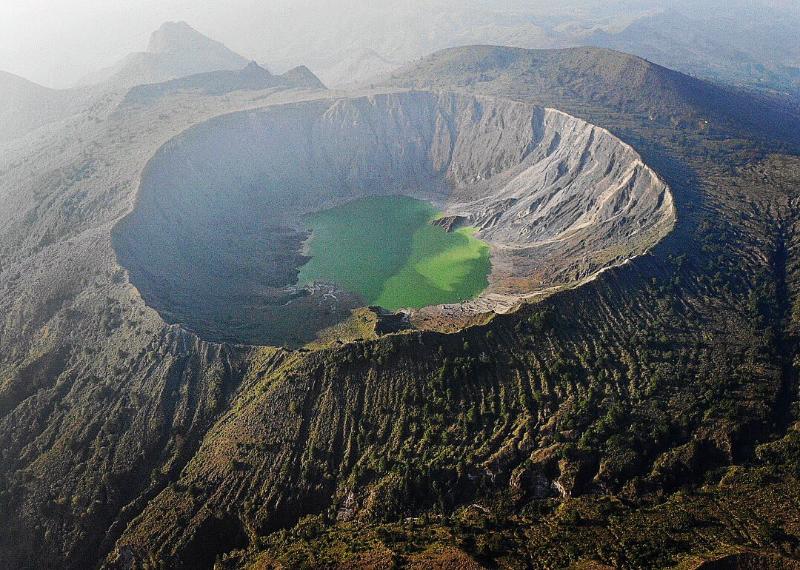
Between June and December 2025, monitoring teams recorded several unusual signs at the crater lake. Surface water temperatures rose repeatedly, reaching up to 118 degrees Celsius. This is much higher than normal geothermal lake temperatures and indicates strong heat flow from beneath the surface.
Field researchers also observed continuous gas bubbling in different areas of the lake. The gases released include hydrogen sulfide and carbon dioxide. These gases are common in volcanic systems, but increased levels can pose risks. In closed or low lying areas like volcanic craters, such gases can accumulate and become dangerous for both researchers and nearby communities.
Hydrogen sulfide has a strong smell similar to rotten eggs and can be harmful in high concentrations. Carbon dioxide, though odorless, can displace oxygen in the air and create suffocation hazards. The rise in gas emissions suggests changes in underground fluid movement and pressure conditions within the volcano.
Sulfur Spheres and Chemical Changes Observed
One of the most striking discoveries has been the appearance of floating hollow sulfur spheres on the crater lake surface. Researchers from the National Autonomous University of Mexico reported that these spheres form when volcanic gases rise through molten sulfur pools beneath the lakebed. As gas escapes upward, it creates bubble like sulfur shells that eventually float to the surface.
The lake’s appearance has also changed. Previously, the water had a green color caused by algae growth. Now, it has turned greyish. Scientists believe this shift is linked to higher concentrations of sulfates and silica in the water. These substances come from volcanic gases and rock interactions beneath the surface.
In addition, researchers have recorded strong fluctuations in chloride levels within the lake water. Chloride changes often signal variations in subsurface fluid circulation. When underground water pathways shift, they can alter the chemical balance of the crater lake. Such changes are important because they may reflect increased hydrothermal pressure.
Understanding the Hydrothermal System
Hydrothermal activity refers to the movement of heated water and gases beneath a volcano. Unlike magmatic eruptions, which involve molten rock rising to the surface, hydrothermal systems involve steam, hot water, and volcanic gases interacting with surrounding rocks.
These systems can become unstable when pressure builds up. If underground water suddenly flashes into steam, it can cause a phreatic eruption. Phreatic eruptions are steam driven explosions that occur without warning and do not require fresh magma to reach the surface. They can still be powerful and dangerous.
Scientists stress that the current changes at El Chichón are hydrothermal in nature. There is no evidence suggesting magma is moving upward. However, unstable hydrothermal systems can still produce sudden steam explosions, making careful monitoring essential.
Legacy of the 1982 Eruption
Any activity at El Chichón is viewed with caution because of its tragic history. In 1982, the volcano erupted violently, killing more than 2,000 people and destroying nearby settlements. The eruption released massive amounts of sulphur dioxide into the atmosphere, which spread into the stratosphere and temporarily cooled global temperatures.
That eruption reshaped the summit of the volcano and formed the crater lake that now serves as a key monitoring site. The lake acts as a natural indicator of what is happening beneath the surface. Changes in temperature, color, and chemistry often provide early clues about shifts within the volcanic system.
The memory of the 1982 disaster remains strong in the region, and authorities are determined to avoid being caught unprepared again.
Alert Level and Monitoring Efforts
Currently, El Chichón remains under a yellow alert, phase two. This level indicates abnormal activity but no active eruption. It signals that authorities are watching the volcano closely and are ready to respond if conditions worsen.
However, scientists have pointed out gaps in real time seismic, gas, and thermal monitoring systems. Limited equipment and challenging terrain make continuous data collection difficult. Without complete data, it becomes harder to forecast sudden changes accurately.
To address these gaps, institutions such as Mexico’s National Center for Disaster Prevention are deploying drones and advanced remote sensing tools. These technologies allow scientists to measure gas emissions, surface temperatures, and lake chemistry without exposing field teams to dangerous conditions.

The Path Ahead for Chichón Volcano Hydrothermal Activity
Experts emphasize that there is no immediate threat of a large eruption. Still, the ongoing Chichón Volcano Hydrothermal Activity shows that the volcano is not geochemically stable. Continued chemical shifts and rising temperatures suggest active processes beneath the crater lake.
Scientists believe sustained observation is the best way to manage risk. Regular sampling, improved sensors, and community awareness programs are essential. Local authorities are also reviewing emergency response plans to ensure preparedness in case of sudden steam driven explosions.
The recent findings serve as a reminder that volcanoes can remain restless long after major eruptions. Even without visible lava or ash clouds, hidden changes beneath the surface can signal evolving risks. For El Chichón, careful monitoring and scientific vigilance remain the key to understanding and managing its complex hydrothermal system.