


Wildlife-Safe Road Sets New Benchmark for Eco-Friendly Highways in India

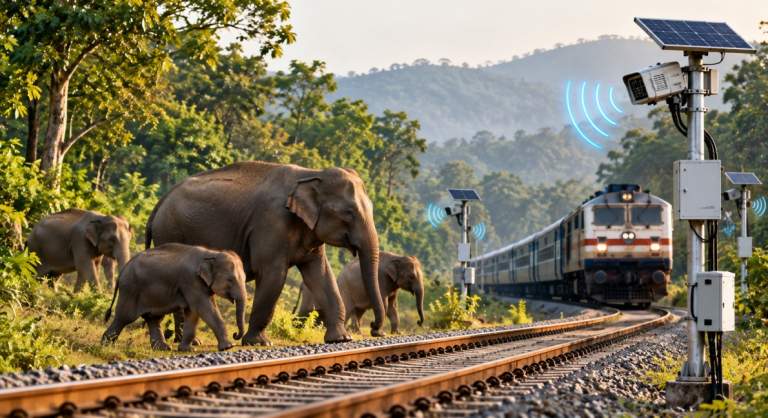
India has taken an important step toward protecting animals while expanding road networks with the launch of its first wildlife-safe road on National Highway 45 in Madhya Pradesh. This new effort by the National Highways Authority of India (NHAI) shows how modern infrastructure can grow without harming nature. The project focuses on reducing accidents involving animals and vehicles, especially in areas where forests and highways meet.
Thank you for reading this post, don't forget to subscribe!Wildlife-Safe Road: A Road Designed with Nature in Mind
The wildlife-safe road has been developed on a sensitive stretch of NH-45 that passes through forested land. This region is known for frequent movement of wild animals, making it risky for both animals and drivers. Instead of treating conservation as an afterthought, planners built safety features directly into the road design. The idea is simple: allow people to travel smoothly while giving wildlife safe ways to cross.
Strategic Location in a Forest Corridor
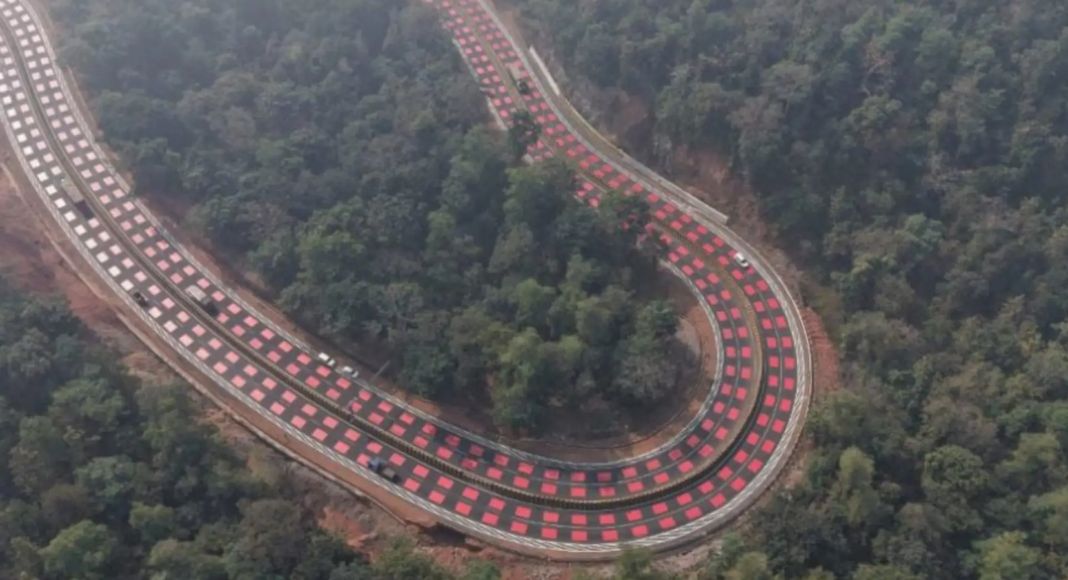
This special road covers a 2-kilometre ghat section within an almost 12-kilometre highway stretch that cuts through the Veerangana Durgavati Tiger Reserve. The area also connects to regions close to the Nauradehi Wildlife Sanctuary. Because of this, the highway acts as a natural corridor for animals such as deer, big cats, and other forest species. Protecting this movement is vital for maintaining the balance of the ecosystem.
Red Surface Markings That Slow Traffic Naturally
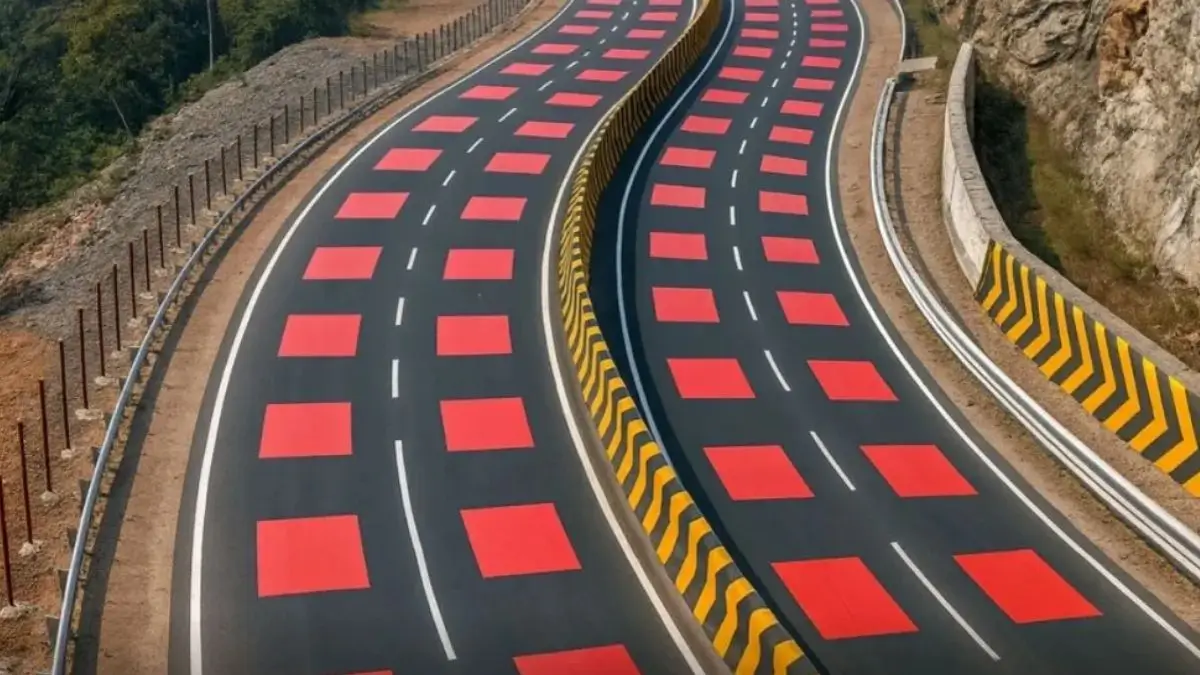
One of the most noticeable features of the wildlife-safe road is the use of table-top red markings across selected sections. These markings are slightly raised and made using durable thermoplastic material. When vehicles pass over them, drivers feel a gentle vibration, encouraging them to slow down without sudden braking.
The bright red colour clearly signals that the vehicle is entering a wildlife-sensitive zone. This visual warning works well both during the day and at night. The idea has been inspired by similar safety practices used on busy international roads and adapted to Indian conditions.
Safe Passages for Animals Under the Highway
To ensure animals do not need to cross the road surface, NHAI has built 25 dedicated wildlife underpasses along this stretch. These underpasses allow animals to move freely beneath the highway without coming into contact with traffic.
To guide animals toward these safe crossings, an eight-foot-high fence has been installed along the road. This fencing helps prevent animals from wandering onto the highway and reduces the chances of collisions. Together, the underpasses and fencing form a complete system focused on animal safety.
Technology Supporting Safer Driving
Modern monitoring tools also play a role in this project. Speed detection systems have been placed along the route to alert drivers if they are moving too fast in restricted zones. These systems promote responsible driving and remind motorists that they are passing through an area shared with wildlife.
In addition, cameras have been installed on small bridges that double as animal crossing points. These cameras help authorities observe animal movement patterns and assess how effectively the safety features are working.
Wildlife-Safe Road for Greener Highways
The wildlife-safe road is part of NHAI’s broader Green Highways vision, which aims to build roads that respect the environment. Instead of choosing between development and conservation, this approach brings both together.
If the results from NH-45 are positive, similar designs could be introduced on other highways passing through forests and protected areas across India. This could significantly reduce wildlife deaths on roads while setting a new standard for eco-friendly infrastructure.
Wildlife-Safe Road: A Model for the Future
The launch of India’s first wildlife-safe road sends a strong message about sustainable development. By blending smart design, technology, and respect for nature, the project shows that highways can be safer for everyone—humans and animals alike. As traffic grows and road networks expand, such thoughtful planning could shape the future of transportation in harmony with wildlife.