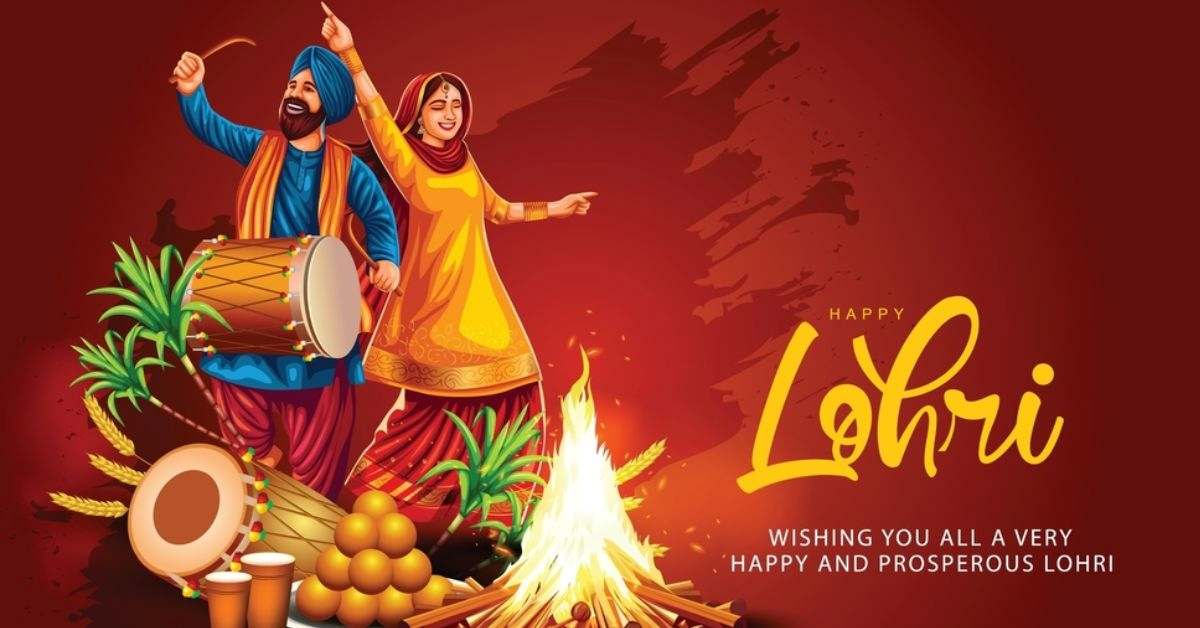
Lohri: The Festival of Fire, Faith, and Harvest

Lohri is one of the most joyful and energetic festivals celebrated in North India, especially in Punjab, Haryana, Himachal Pradesh, Delhi, and nearby regions. Lohri marks the end of winter and the beginning of a new agricultural season. It is deeply connected with farming, nature, and gratitude toward the Sun God and fire, which is seen as a symbol of life, warmth, and prosperity.
Thank you for reading this post, don't forget to subscribe!Lohri is celebrated every year on January 13 (sometimes January 14) and holds great importance for farmers, families, and communities. The festival brings people together around a bonfire, where they sing, dance, pray, and share happiness. Lohri is not just a festival; it is an emotion that reflects hope, unity, and thankfulness.
Meaning and Importance of Lohri
Lohri is mainly associated with the harvest of Rabi crops, especially sugarcane and wheat. For farmers, it is a time to celebrate their hard work and pray for a good harvest. The festival also marks the movement of the Sun towards the northern hemisphere, known as Uttarayan, which is considered very auspicious in Indian culture.
The word “Lohri” is believed to come from:
- Til (sesame) and Rori (jaggery) – traditional foods of the festival
- Or from Loi, the wife of Saint Kabir, as some legends suggest
No matter the origin, Lohri has always symbolized warmth, light, fertility, and new beginnings.
Historical Background of Lohri
Lohri has ancient roots that go back thousands of years. It is linked to India’s agricultural past, when people depended directly on nature for survival. Winter was a difficult time, and the return of longer days was welcomed with joy.
One of the most popular historical associations of Lohri is with Dulla Bhatti, a Punjabi folk hero. He lived during the Mughal period and was known as the “Robin Hood of Punjab.” Dulla Bhatti helped poor girls by arranging their marriages and protecting them from injustice. Many Lohri songs still praise his bravery and kindness.
This connection makes Lohri not just a harvest festival, but also a celebration of social justice, courage, and humanity.
Why Lohri Is Celebrated
Lohri is celebrated for several reasons:
- End of Winter: It marks the coldest days coming to an end
- Harvest Celebration: Farmers thank nature for crops like sugarcane
- Solar Movement: It welcomes the Sun’s northward journey
- New Beginnings: Special for newlyweds and newborns
- Community Bonding: People gather and celebrate together
Lohri teaches us to respect nature, value hard work, and live in harmony with others.
Date and Timing of Lohri
Lohri is celebrated on January 13 every year, the night before Makar Sankranti. The festival is based on the solar calendar, not the lunar calendar, which is why the date remains mostly fixed.
The celebrations usually begin in the evening, after sunset, when the bonfire is lit.
Rituals and Traditions of Lohri
1. Bonfire – The Heart of Lohri
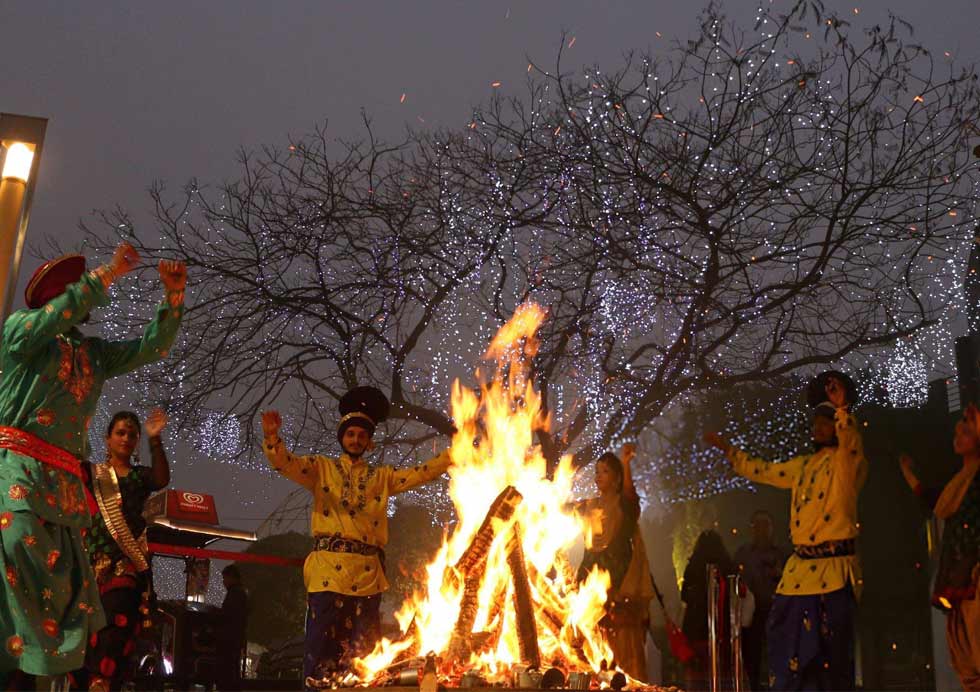
The bonfire is the most important part of Lohri. People gather around it, offer prayers, and walk around the fire. The fire represents:
- Energy
- Purity
- Protection
- Warmth during winter
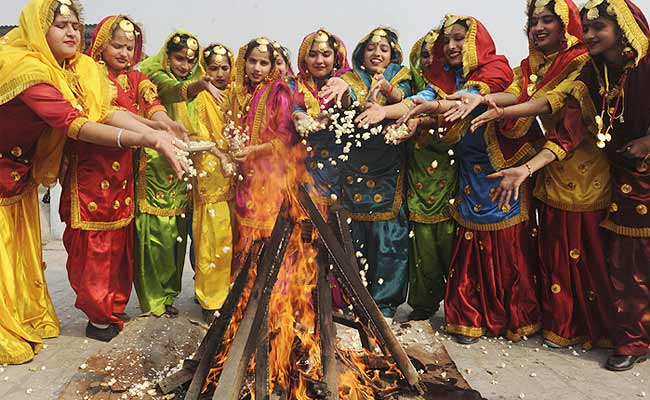
People throw offerings like sesame seeds, jaggery, peanuts, popcorn, and sugarcane into the fire as a sign of gratitude.
2. Parikrama (Circling the Fire)
Families perform parikrama, walking around the fire while praying for happiness, health, and prosperity.
3. Singing Lohri Songs
Traditional folk songs are sung in praise of Dulla Bhatti, nature, and the harvest. These songs add joy and cultural richness to the celebration.
4. Distribution of Prasad
After the prayers, prasad is shared among everyone. It usually includes:
- Til (sesame seeds)
- Gajak
- Rewari
- Peanuts
- Popcorn
Traditional Lohri Food
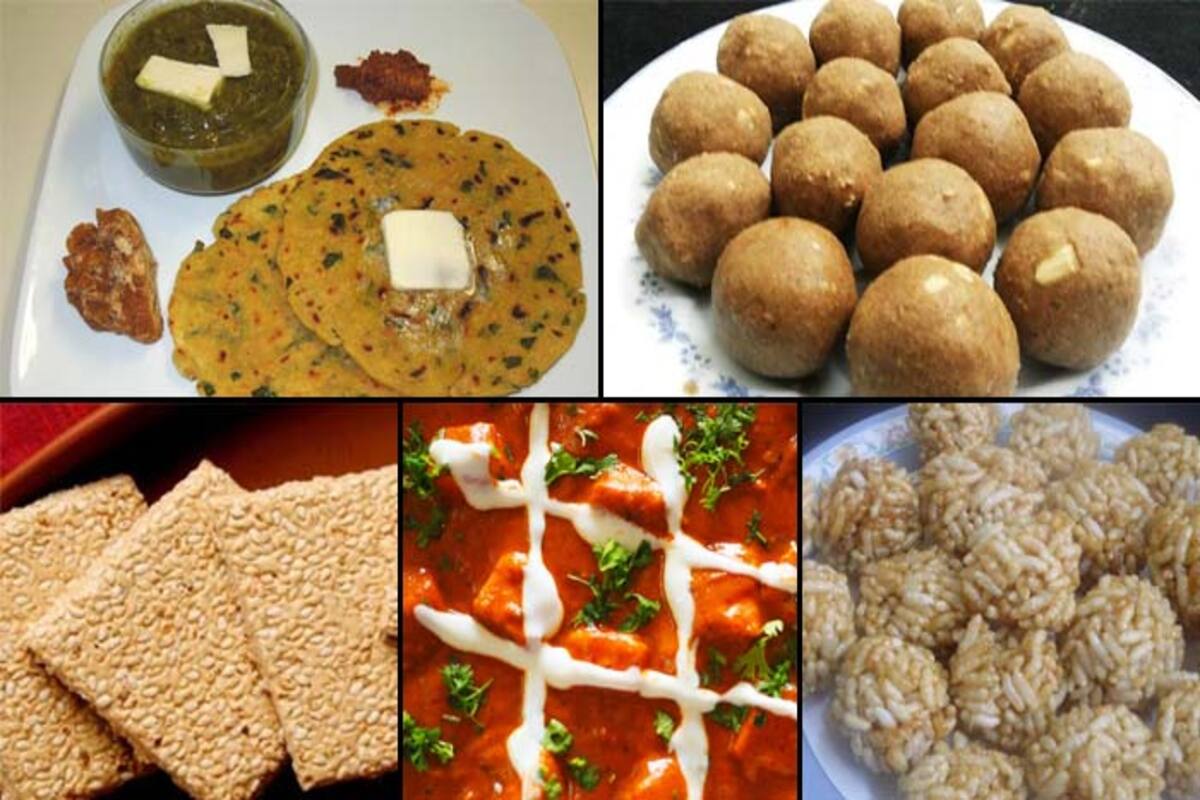
Food plays a very special role in Lohri celebrations. Most Lohri foods are winter-friendly and provide warmth and energy.
Popular Lohri Dishes
- Makki di Roti (corn bread)
- Sarson da Saag (mustard greens)
- Til ladoo
- Gajak and Rewari
- Jaggery-based sweets
- Sugarcane
These foods are simple, healthy, and deeply connected to farming traditions.
Lohri Songs and Music
Music and dance bring life to Lohri celebrations. Traditional Punjabi songs are sung with enthusiasm. The beats of the dhol fill the air, and people dance joyfully.
Popular Dance Forms
- Bhangra – energetic dance by men
- Gidda – graceful dance by women
The songs often talk about:
- Dulla Bhatti
- Harvest
- Nature
- Love and happiness
Lohri and Family Celebrations
Lohri is especially important for:
- Newly married couples
- Families with newborn babies
For them, the first Lohri is celebrated in a grand way. Relatives and friends bring gifts, sweets, clothes, and blessings. It is a way of welcoming new members into the family and society.
Cultural Significance of Lohri
Lohri reflects the rich culture of Punjab and North India. It shows how festivals were created to stay connected with nature and seasons. Lohri teaches values like:
- Sharing
- Gratitude
- Togetherness
- Respect for farmers
It reminds us that happiness grows when it is shared.
Lohri in Modern Times
Today, Lohri is celebrated not only in villages but also in cities and even abroad. Punjabis living in other countries celebrate Lohri with the same excitement.
Modern Lohri Celebrations Include
- Community events
- Cultural programs
- Music nights
- Eco-friendly bonfires
- Social media greetings
Even in apartments and societies, people organize group celebrations to keep the tradition alive.
Lohri and Environment Awareness
In recent years, people have become more careful about the environment. Many now celebrate Lohri by:
- Using smaller bonfires
- Avoiding plastic and harmful materials
- Promoting eco-friendly celebrations
This shows how traditions can grow with time while protecting nature.
Spiritual Meaning of Lohri
Spiritually, Lohri represents:
- Light over darkness
- Hope over fear
- Warmth over cold
The fire symbolizes inner strength and positivity. By offering prayers to fire, people seek blessings for a bright future.
Regional Variations of Lohri
Though Lohri is mainly a Punjabi festival, similar festivals are celebrated in other parts of India:
- Makar Sankranti – across India
- Magh Bihu – Assam
- Pongal – Tamil Nadu
- Uttarayan – Gujarat
All these festivals celebrate harvest, sun, and new beginnings.
Lohri for Children and Youth
Children enjoy Lohri by:
- Singing songs
- Collecting Lohri from neighbors
- Eating sweets
- Watching dances and bonfires
For young people, Lohri is a time to connect with roots, culture, and family values.
Why Lohri Still Matters Today
Even in today’s fast-moving world, Lohri remains important because:
- It connects us with nature
- It honors farmers
- It strengthens family bonds
- It preserves cultural heritage
Lohri reminds us to pause, celebrate, and be thankful.
How to Celebrate Lohri at Home
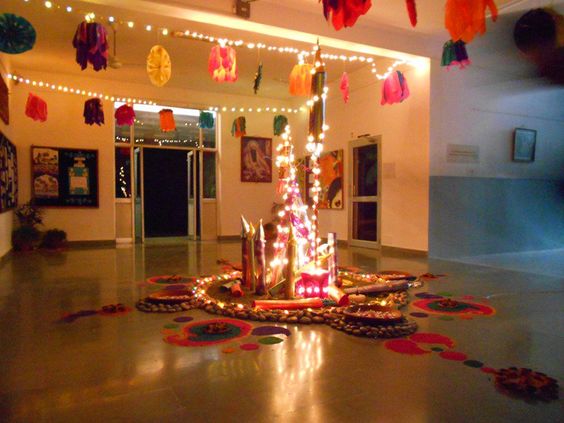
If you want to celebrate Lohri at home, you can:
- Light a small, safe bonfire or lamp
- Prepare traditional foods
- Play Punjabi music
- Spend time with family
- Share sweets with neighbors
The true spirit of Lohri lies in togetherness and gratitude, not in grand celebrations.
Lohri and Indian Unity
Lohri shows how festivals bring people together beyond religion and region. People from different backgrounds join in the celebrations, proving that culture unites us.
Conclusion: The Spirit of Lohri
Lohri is more than a festival of fire; it is a festival of life, hope, and happiness. It celebrates nature’s gifts, honors hard work, and spreads warmth during cold winter days. Through songs, food, fire, and family, Lohri teaches us to live with gratitude and joy.
As times change, the way we celebrate Lohri may evolve, but its soul remains the same – celebrating light, love, and togetherness. May the fire of Lohri burn away negativity and bring prosperity, peace, and happiness into everyone’s life.
FAQs about Lohri
1. What is Lohri?
Lohri is a popular harvest festival celebrated mainly in Punjab and North India to mark the end of winter.
2. When is Lohri celebrated?
Lohri is celebrated every year on January 13, a day before Makar Sankranti.
3. Why is a bonfire important in Lohri?
The bonfire symbolizes warmth, energy, and gratitude to nature and the Sun God.
4. Who was Dulla Bhatti and why is he remembered on Lohri?
Dulla Bhatti was a Punjabi folk hero known for helping the poor. Lohri songs praise his bravery and kindness.
5. What foods are eaten during Lohri?
Popular Lohri foods include til ladoo, gajak, rewari, peanuts, popcorn, makki di roti, and sarson da saag.
6. Is Lohri only a Punjabi festival?
Lohri is mainly a Punjabi festival but is celebrated by many communities across North India.
7. Why is Lohri important for farmers?
Lohri celebrates the harvest season and thanks nature for a good crop.
8. How is Lohri celebrated in modern times?
People celebrate Lohri with community gatherings, music, dance, eco-friendly bonfires, and family get-togethers.