UNICEF Foundation Day: Celebrating Hope for Every Child

Every child deserves a safe and happy childhood a childhood full of hope, health, education, and care. The world took a big step toward this goal when UNICEF was born. The day of its founding is honoured every year as UNICEF Foundation Day. On this day, people around the world pause to remember how important it is to protect children’s rights, to support their growth, and to give them a fair chance to build a bright future.
Thank you for reading this post, don't forget to subscribe!Birth of UNICEF – Why and When
- After the devastation of Second World War, many countries suffered large-scale destruction. Children and mothers became among the most vulnerable victims. Many lacked food, medicine, shelter and basic support. In this context, the global community wanted to step in to help those who were suffering, especially children.
- To respond to this urgent need, the United Nations General Assembly decided to create an emergency fund on 11 December 1946. This fund was named United Nations International Children’s Emergency Fund popularly known by its acronym, UNICEF.
- In the early years, UNICEF’s work mainly focused on giving emergency food, medical help, and relief to children and mothers in war‑torn regions, including parts of Europe, Asia, and the Middle East.
- Over time, the mission of UNICEF expanded. In 1950, its mandate grew beyond emergency relief, to include lasting help for children and mothers in developing and poor countries.
- In 1953, UNICEF became a permanent part of the United Nations system. Its name was changed to United Nations Children’s Fund but it kept the same acronym, UNICEF.
Thus, UNICEF emerged not just as a temporary relief fund, but as a long-term global institution dedicated to children’s rights and welfare.
Why December 11 Becomes UNICEF Foundation Day
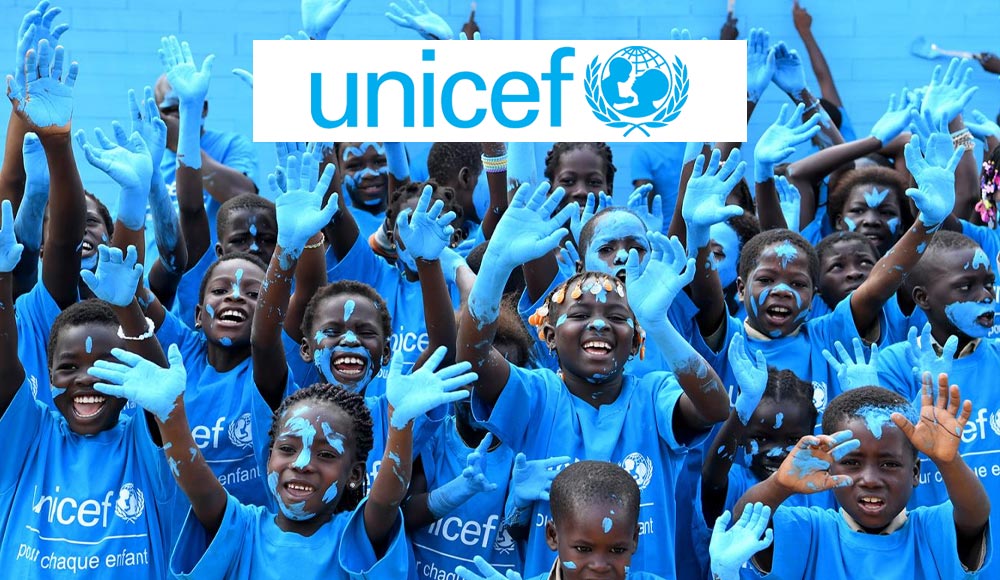
- Because UNICEF was officially established on 11 December 1946, this date is celebrated worldwide each year as “UNICEF Day” or “UNICEF Foundation Day.”
- On this day, people remember the purpose behind UNICEF’s creation to protect and nurture children, especially those who are vulnerable because of war, poverty or crisis. It is also a day to reflect on all the progress that has been made for children since 1946 and the work that still remains.
So every December 11, children’s rights and welfare take centre stage globally: from big cities to small towns, from schools to community groups aiming to remind us all that a child’s well‑being is the foundation of a better future.
What UNICEF Does – Its Mission and Work
The mission of UNICEF is simple in words, but powerful in action: to protect every child’s right to survive, thrive, learn, and grow no matter where they live.
Here are the main areas where UNICEF works:
- Health and Nutrition: UNICEF supports immunization programmes to protect children from serious diseases. It works to prevent illness, provide essential vaccines, and ensure that children receive good nutrition. This helps reduce child deaths and improves child health.
- Education: Education is a basic right. UNICEF helps build schools, create learning opportunities, give access to quality education especially for children who come from poor or disadvantaged backgrounds.
- Child Protection and Rights: UNICEF works to protect children from exploitation, violence, child labour, trafficking and ensures their rights are respected, honoured and upheld.
- Water, Sanitation and Hygiene: Many children suffer due to lack of clean water or sanitation. UNICEF advocates and works to bring safe drinking water, hygienic facilities, sanitation basic but crucial elements for child health.
- Emergency Relief & Crisis Response: In situations of war, natural disasters, conflict when children are at greatest risk UNICEF provides emergency aid: food, medicine, shelter, psychological support. This was how it began in 1946, and it continues to respond wherever there is need.
Behind all these areas is a central belief: every child matters. No child should be left behind because of poverty, geography, gender, conflict or disadvantage. UNICEF works to remove those barriers.
Major Achievements and Global Impact
Over nearly eight decades, UNICEF’s work has made a major difference across the world. Here are some of the important impacts and successes:
- UNICEF has helped reduce the number of children dying before their fifth birthday significantly over the decades saving millions of young lives.
- Through vaccination campaigns in partnership with governments and local communities diseases that were once common among children have become rare in many parts of the world.
- UNICEF’s educational support has helped bring many children especially girls and children from poor families into schools, giving them a chance for better future.
- UNICEF’s advocacy for children’s rights for protection, equality, opportunity has helped shape global policies. For example, the global treaty on children’s rights, Convention on the Rights of the Child (CRC), draws from UNICEF’s efforts.
- In emergencies war zones, natural disasters, refugee situations UNICEF often acts as first responder for children and mothers, providing crucial relief and hope.
Because of these efforts, UNICEF has become the world’s leading organisation for children supporting children in over 190 countries and territories.
Also, in recognition of its global humanitarian work and role in reducing inequality among nations, UNICEF was awarded the Nobel Peace Prize in 1965.
Significance of UNICEF Foundation Day Today
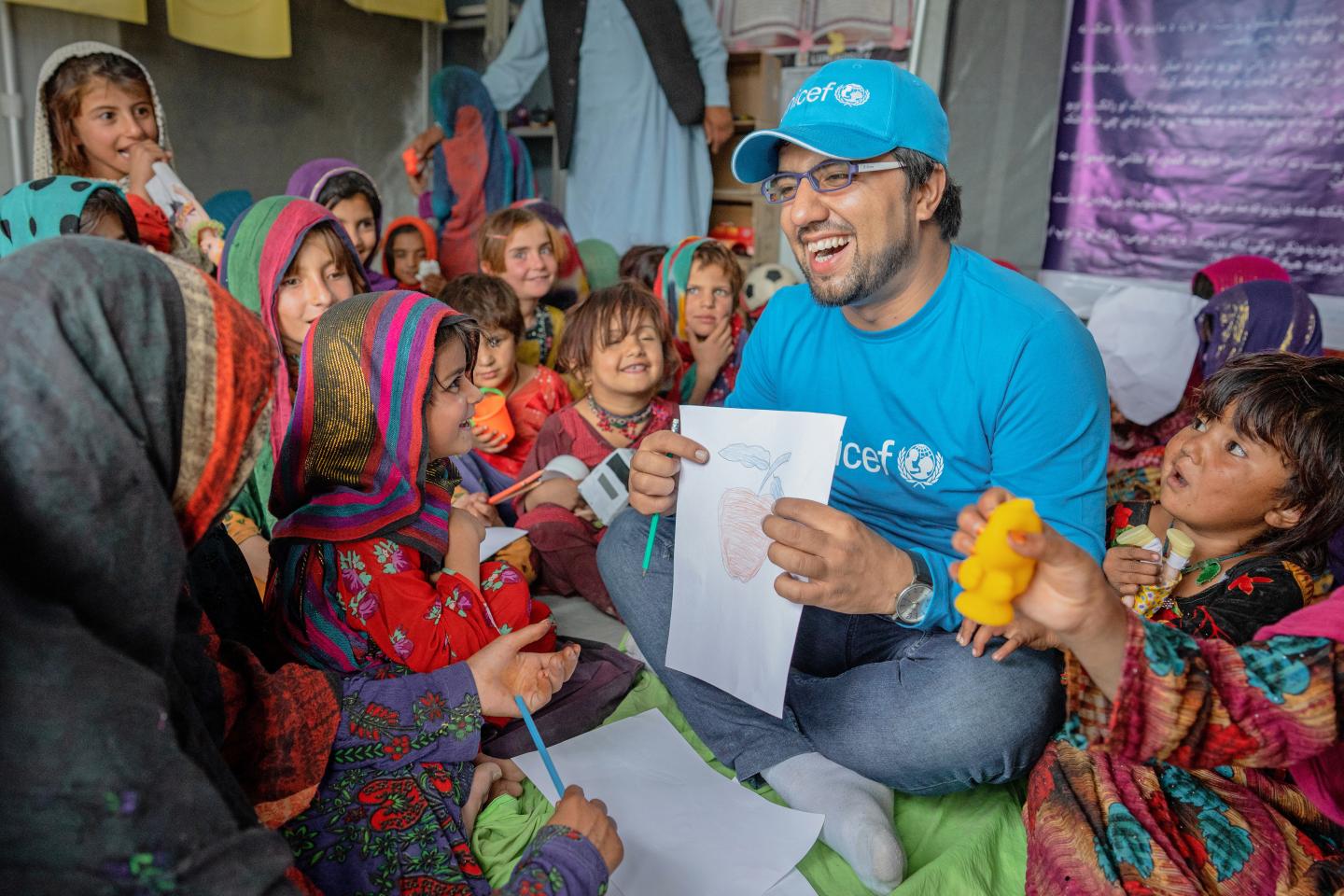
Even though UNICEF was founded decades ago, the challenges faced by children worldwide remain and in many places, they have worsened because of poverty, conflict, displacement, pandemics, climate change, inequality. Here is why UNICEF Foundation Day is still important:
- It is a reminder that no matter how much progress we make, children still need protection, care, education, health and opportunity.
- It is a call for action individuals, communities, governments and organisations all need to work together to ensure children’s rights.
- It strengthens global solidarity children everywhere, in different countries, cultures, economic conditions; UNICEF shows that children are a shared responsibility of humanity.
- It honours what has been achieved, while recognizing what remains to be done celebrating past successes but also renewing commitment to the future.
- It gives hope for a world where every child can grow up healthy, educated, safe, with dignity and opportunity.
In short: UNICEF Foundation Day reminds us that childhood is a gift and how we treat children today shapes the future of all societies.
Challenges that Still Exist – What Needs Attention
Even with all accomplishments, many challenges remain. Some of them are:
- Poverty and Inequality: Many children live in poor families, in remote or underdeveloped areas. They may still lack access to proper food, health services, clean water, schools.
- Conflict and Displacement: Wars, unrest, disasters displace families. Children in refugee camps or conflict zones suffer most lacking stability, safety, education.
- Health Crises: Even now, diseases, malnutrition, lack of healthcare, pandemics affect children severely especially in low-income or rural regions.
- Lack of Education or Poor Quality Education: Many children miss schooling, or schools do not provide good education. This affects their future chances.
- Child Labour, Exploitation, Child Rights Violations: Some children are forced to work, trafficked, or denied their rights still a global problem.
- Inequality due to Gender or Social Discrimination: Girls, minority children, children from marginalized communities often face extra barriers to health, education, protection.
These problems show that the mission of UNICEF to protect and empower every child remains as crucial now as it was in 1946.
What We Can Do – Our Role as Citizens
UNICEF cannot do it alone the world, communities, governments and individuals all have a role. Here are some ways we can contribute:
- Raise Awareness: Talk about children’s rights with friends, family, neighbours. Share information about why children’s welfare matters.
- Support Locally: Help children in your community encourage education, help provide support, make sure their needs are met (nutrition, hygiene, learning, protection).
- Advocate for Fair Policies: Ask local leaders and government to ensure every child gets access to health, school, clean water and protection.
- Support Organizations: Contribute (if possible) to credible child‑welfare organizations, or volunteer time in ways that genuinely help children.
- Value Children’s Voices: Listen to children. Respect their opinions, hopes and needs. Every child deserves to be heard.
- Promote Equality and Inclusion: Ensure children from all backgrounds poor, rural, girls, minorities get equal opportunities, respect and love.
By doing these small but meaningful acts, we can honour the spirit of UNICEF Foundation Day and help build a better world for children.
Why UNICEF Matters for India and Assam
As someone from Assam (or any part of India), you may see how important UNICEF’s mission is in local context:
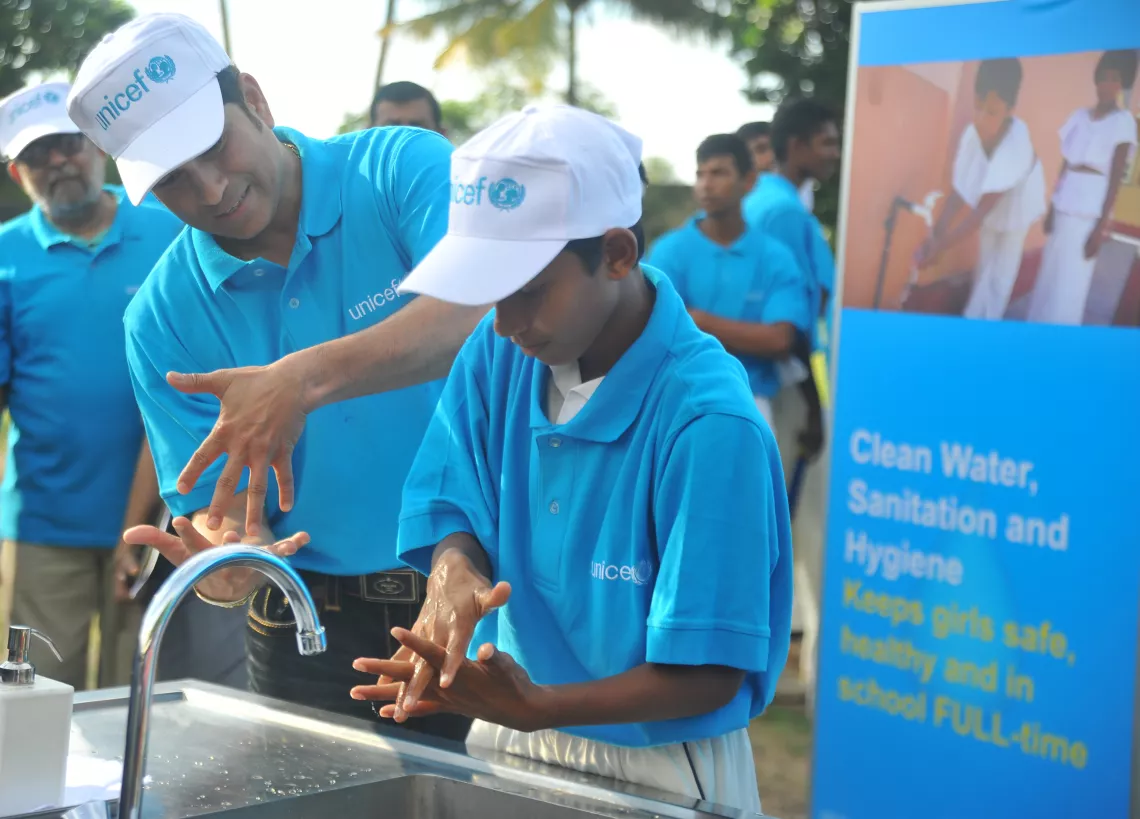
- In many parts of rural Assam, access to clean drinking water, proper sanitation, health services for children and mothers remains a challenge. Organisations like UNICEF can support in such areas.
- Education especially for marginalised or economically weak families is key. UNICEF’s work can help ensure children of all backgrounds get quality education, not just the privileged.
- Disaster relief and emergency support: Assam is prone to floods and natural disasters. Children and families get harmed the most in such disasters. UNICEF-type interventions immediate and long-term can bring hope.
- Awareness about child rights and welfare: In remote areas or among vulnerable communities, sometimes children’s rights are unknown or ignored. Spreading awareness, ensuring protection and equal opportunity makes a big difference.
Thus, the ideals behind UNICEF caring for every child, giving equal chance, building hope are extremely relevant in India and Assam.
Reflecting on 75+ Years of UNICEF – A Legacy of Hope
From its birth in 1946 to today, UNICEF has touched millions of lives. It began as an emergency fund to help children after war but grew into a global movement for children’s rights and welfare. Its legacy is one of hope, compassion, solidarity, and progress.
Because of UNICEF and similar efforts: many diseases have been eradicated or controlled; many children have gone to school who would otherwise have lacked opportunity; many mothers and children have been saved from hunger, poverty, illness. Rights of children to live, to learn, to be safe are now more widely recognised around the world.
But the work is far from over. New challenges poverty, inequality, climate change, conflict threaten children’s future. That is why UNICEF Foundation Day matters. It is a reminder that every generation needs to renew its commitment to children the most innocent, vulnerable, and precious members of humanity.
Conclusion
Children are our future. Their dreams, hopes, health, education shape what the world will become. The founding of UNICEF on 11 December 1946 was a great milestone that said: “We will not forget children in difficulty. We will stand for them.”
As we celebrate UNICEF Foundation Day, we should also celebrate every child. We should remember the duty we all have as parents, citizens, society to protect, support, nurture children. Because when children thrive, societies grow. When children are healthy, safe and educated, nations progress.
So let us pledge to stand for children. Let us work so that no child is hungry, no child is denied schooling, no child lives in fear, no child is treated unfairly. In honour of UNICEF’s founding, let us commit for every child, everywhere to build a world of hope, dignity, equality, and love.
FAQs on UNICEF Foundation Day
1. What is UNICEF Foundation Day?
UNICEF Foundation Day is the day when UNICEF was created on 11 December 1946. The day celebrates UNICEF’s global work to protect and support children.
2. Why is UNICEF Foundation Day celebrated?
It is celebrated to remember the purpose of UNICEF, which is to ensure every child gets health care, education, protection and equal opportunities.
3. What does UNICEF do for children?
UNICEF works in more than 190 countries to provide vaccines, clean water, education, nutrition support, emergency relief, and child protection services.
4. Why was UNICEF formed?
UNICEF was created after World War II to help children affected by hunger, disease and loss. Later, it expanded to support children worldwide.
5. Is UNICEF a part of the United Nations?
Yes. UNICEF became a permanent part of the United Nations in 1953 and continues to work under the UN to help children globally.
6. How does UNICEF help during emergencies?
During wars, natural disasters or health crises, UNICEF provides food, clean water, shelter, medical support and psychological care for children and mothers.
7. How can people support UNICEF’s mission?
People can support by spreading awareness, volunteering, donating to child-focused programs, and promoting children’s rights in their communities.
8. Why is UNICEF important today?
Even today, many children face poverty, lack of education, conflict, hunger and health issues. UNICEF works to solve these problems and protect every child.
9. Is UNICEF Foundation Day celebrated in India?
Yes. Schools, NGOs, and communities across India observe this day by spreading awareness about child rights and UNICEF’s work.
10. What is the main goal of UNICEF?
The main goal is simple: to ensure every child survives, learns and grows in a safe, healthy and equal world.