



World AIDS Day: Understanding HIV, Awareness, and Global Hope

World AIDS Day is observed every year on 1 December across the world to spread awareness about HIV (Human Immunodeficiency Virus) and AIDS (Acquired Immunodeficiency Syndrome). This day is not just about remembering the people who have died due to AIDS-related illnesses but also about supporting those who live with HIV and helping everyone understand how we can prevent new infections.
Thank you for reading this post, don't forget to subscribe!World AIDS Day started in 1988, and since then, it has grown into one of the most important international health campaigns. On this day, governments, schools, hospitals, NGOs, communities, and individuals come together to talk about HIV, remove fear and confusion, and promote scientific knowledge.
Why World AIDS Day Matters
World AIDS Day is not just a date or an annual event it is a reminder of a major global health challenge that has affected millions of lives. The HIV/AIDS epidemic began more than four decades ago. During that time, millions of people died, millions of families suffered, and many children lost their parents. At the same time, the world also saw the power of medical science, international cooperation, and human compassion.
Today, HIV is no longer the “death sentence” it once was. Thanks to modern medicines, people living with HIV can live long, healthy, and normal lives. But even with so much progress, millions of new infections still happen every year. Many people do not know how HIV spreads, and many more still face discrimination. This is why World AIDS Day continues to be important even today.
The day reminds us that:
- We must keep spreading awareness.
- We must fight stigma and discrimination.
- We must encourage testing and treatment.
- We must support people living with HIV.
- We must work together to achieve the goal of “Ending AIDS by 2030.”
What is HIV and What is AIDS?
To understand why World AIDS Day is important, we must first understand what HIV and AIDS really mean. Many people mix both terms, but they are not the same.
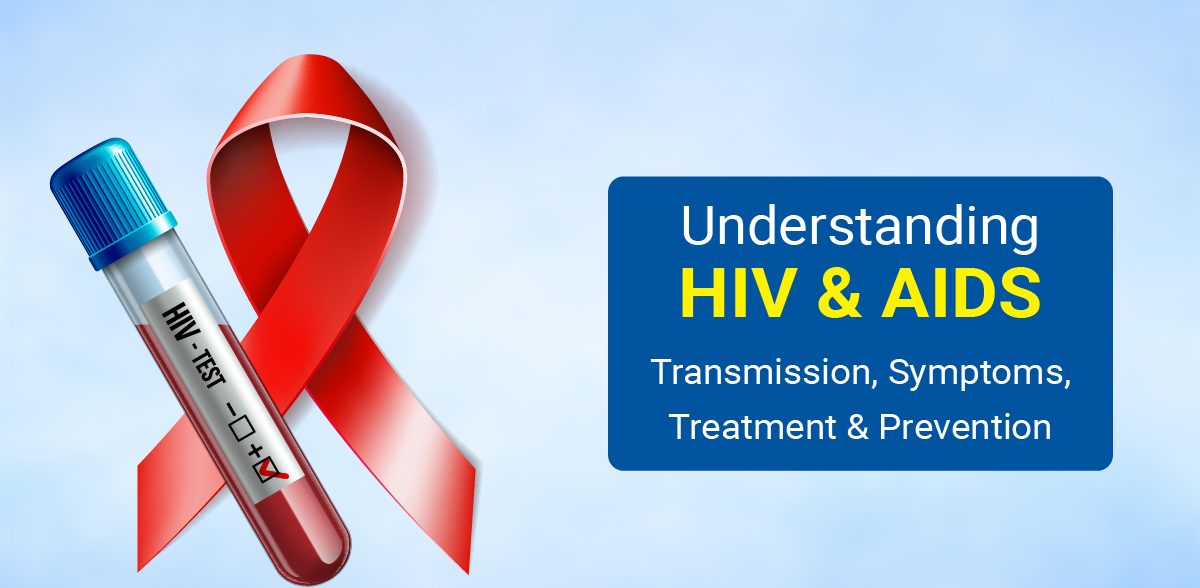
HIV (Human Immunodeficiency Virus)
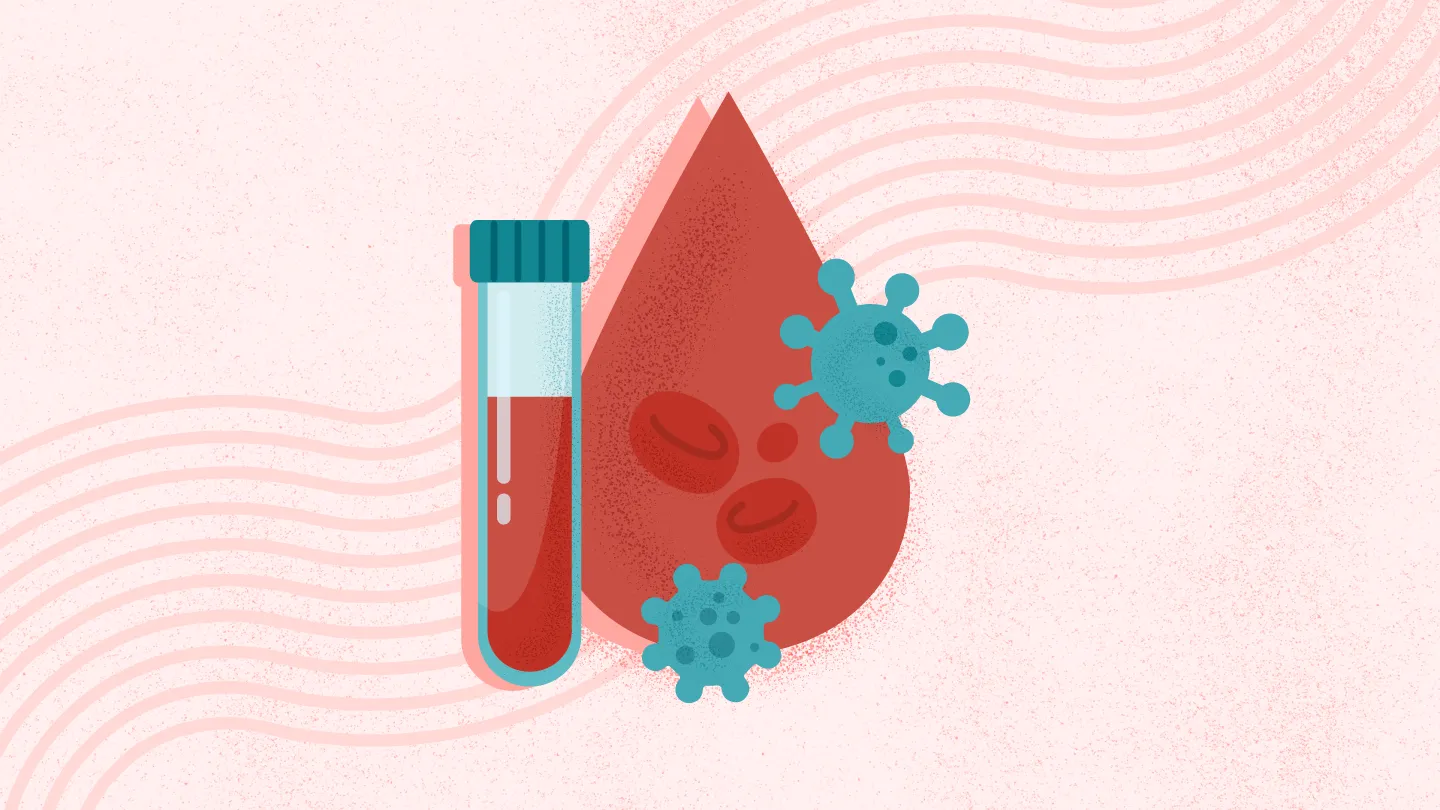
HIV is a virus that attacks a person’s immune system. The immune system is the body’s defence system that protects us from infections, viruses, and diseases. When HIV enters the human body, it weakens this defence system over time.
If a person does not take treatment, the immune system becomes weaker and weaker. Eventually, the person becomes vulnerable to many infections that a healthy person could easily fight.
AIDS (Acquired Immune Deficiency Syndrome)
AIDS is the final stage of HIV infection. This stage happens when the immune system becomes extremely weak. A person with AIDS can get very serious illnesses or infections.
It is important to understand:
- People do not die because of HIV itself.
- They die because HIV weakens the immune system so much that even small infections become deadly.
Thankfully, modern treatment (ART) can stop HIV from progressing to AIDS.
History of World AIDS Day
World AIDS Day was first observed on 1st December 1988. It was started by two public health officers named James W. Bunn and Thomas Netter, who were working for the World Health Organization (WHO) at that time.
They wanted one special day that would:
- Bring attention to the growing AIDS crisis
- Encourage governments to talk openly about HIV
- Support people living with the virus
- Help spread correct information
- Raise funds for research and treatment
Since 1988, the day has become a global event. Today, governments, schools, hospitals, media, NGOs, celebrities, and millions of individuals participate in World AIDS Day activities.
Theme of World AIDS Day
Every year, World AIDS Day has a specific theme. The theme helps focus attention on the most important issues of that year. Themes include:
- “End Inequalities. End AIDS.”
- “Communities Make the Difference”
- “Know Your Status”
- “Global Solidarity”
- “Putting People First”
These themes highlight the need for fairness, equality, compassion, education, and strong global cooperation.
Why World AIDS Day is Still Important Today
Even though HIV treatment has improved greatly, the epidemic is not over. World AIDS Day is important because:
1. Millions of People are Still Living with HIV
More than 38 million people in the world currently live with HIV.
2. Thousands of New Cases Still Happen Each Day
Many people still do not know how HIV spreads or how they can protect themselves.
3. Stigma and Discrimination Still Exist
Many HIV-positive people face harassment, social exclusion, and even loss of jobs.
4. Many People Do Not Get Tested
HIV can remain inside the body for years without symptoms. Testing is the only way to know.
5. Treatment is Still Not Available Everywhere
Many poor and rural communities still do not have access to proper medical care.
6. Ending AIDS by 2030 Requires Global Unity
World AIDS Day reminds everyone that progress is possible only through cooperation.
How HIV Spreads:
Many people still believe wrong things about HIV. So here is a very simple and true explanation of how HIV spreads:
HIV can spread through:
- Unprotected sexual contact with an infected person
- Sharing needles or syringes
- From mother to child during pregnancy, childbirth, or breastfeeding (if not treated)
- Through infected blood transfusion (rare today due to testing)
HIV does NOT spread through:
- Touching or hugging
- Sharing food or water
- Mosquito bites
- Sneezing or coughing
- Sharing toilets
- Sharing utensils
- Swimming pools
- Sweat or tears
Educating people about the reality of HIV transmission is an essential part of World AIDS Day.
Symptoms of HIV

HIV symptoms change from person to person. In many cases, the symptoms may not appear for years. This is why many people do not know they are infected.
Early Symptoms (2–4 Weeks After Infection):
- Fever
- Chills
- Headache
- Skin rashes
- Swollen glands
- Tiredness
- Body pain
These symptoms often look like a normal flu, so people may ignore them.
Long-Term Symptoms (If HIV is Untreated):
- Weight loss
- Weakness
- Frequent fever
- Night sweats
- Repeated infections
- Mouth sores
- Skin problems
AIDS Symptoms:
- Very weak immune system
- Serious infections
- Severe weight loss
- Chronic illness
Understanding these symptoms helps people seek treatment early.
Importance of HIV Testing
World AIDS Day strongly encourages HIV testing. Testing is important because:
- Many people don’t know they are HIV-positive
- Early diagnosis allows early treatment
- Early treatment improves survival
- Testing prevents further spread
- Pregnant women can protect their babies
HIV tests are simple, safe, and widely available.
Treatment of HIV: ART (Antiretroviral Therapy)
HIV cannot be cured yet, but it can be controlled with Antiretroviral Therapy (ART). These medicines:
- Reduce the amount of virus in the body
- Strengthen the immune system
- Allow people to live normal and long lives
- Prevent HIV from spreading to others
If a person takes ART regularly:
- The viral load becomes “undetectable.”
- When viral load is undetectable, HIV cannot be transmitted sexually.
This is known as U=U (Undetectable = Untransmittable).
In simple words:
If HIV medicines are taken properly, the virus becomes so weak that it can’t spread.
Myths and Facts About HIV/AIDS
There are many myths about HIV that cause fear and discrimination. World AIDS Day helps correct these myths.
Myth 1: HIV spreads through touch.
Fact: HIV does not spread through touch, hugs, or sharing objects.
Myth 2: HIV-positive people should not live with others.
Fact: They can live, work, and study with everyone normally.
Myth 3: HIV happens only to certain types of people.
Fact: Anyone can get HIV. It does not depend on gender, caste, class, or religion.
Myth 4: HIV is always fatal.
Fact: With treatment, people can live long and healthy lives.
Myth 5: HIV-positive mothers always pass the virus to babies.
Fact: With treatment, the risk can be reduced to nearly zero.
Stigma and Discrimination: The Biggest Barrier
Even today, HIV-positive people face:
- Social rejection
- Insults or judgement
- Problems in jobs
- Problems in schools
- Problems in hospitals
- Isolation
This discrimination hurts people emotionally and mentally. It also stops people from getting tested or seeking treatment.
World AIDS Day encourages respect, equality, and kindness.
Impact of HIV/AIDS on Families and Society
HIV/AIDS affects far more than just the person who is infected it impacts entire families, communities, and even the social and economic structure of a country. When one member of a family is diagnosed with HIV, the effects can be emotional, financial, psychological, and social. This is because HIV is not only a medical condition but also a condition surrounded by fear, stigma, and long-term responsibilities.
Impact on Families
1. Emotional pain:
Families often experience deep emotional distress when a member is diagnosed with HIV. Shock, fear, sadness, confusion, and worry about the future are common reactions. Parents may fear for their children, spouses may worry about long-term health, and children may not fully understand what is happening but still feel the stress around them.
2. Financial stress:
HIV can reduce a person’s ability to work over time, especially if they do not receive early treatment. This can lead to loss of income, additional medical expenses, travel costs to hospitals, and long-term financial instability. For families already struggling with poverty, the financial burden can become overwhelming.
3. Social judgement:
Stigma remains one of the biggest challenges. Many families face judgement from neighbors, relatives, and society. People may avoid them, gossip about them, or blame the family for something they did not do. This social isolation can be extremely painful and may force families to hide the illness instead of seeking proper support.
4. Responsibilities of caregiving:
Caring for a person living with HIV requires time, patience, emotional strength, and sometimes financial resources. Family members—especially women and elderly parents—often become caregivers. They may have to balance caregiving with household duties, work, and childcare, leading to exhaustion and stress.
5. Psychological pressure:
Continuous fear about the infected person’s health, uncertainty about the future, worries about societal judgement, and the emotional burden of caregiving can cause anxiety, depression, and mental stress within families. Children may feel frightened and insecure, and adults may feel overwhelmed and unsupported.
6. Impact on children:
Children are among the most affected. They may lose one or both parents to AIDS-related illnesses. Some become orphans and face difficulties in education, emotional development, and financial stability. Many children are forced to take up responsibilities far beyond their age, such as caring for younger siblings or working to support their families. This creates long-term social and psychological challenges that affect their entire lives.
Impact on Society
The effects of HIV/AIDS go beyond families and reach the entire society. When a large number of people live with HIV, the social and economic systems of a country are affected.
1. The workforce becomes weaker:
When working-age adults fall sick or die due to AIDS-related complications, the workforce shrinks. This means fewer people are available for jobs, industries, and essential services. Productivity decreases, and companies face increased costs due to training new workers or covering for absent employees.
2. Healthcare costs increase:
HIV places a heavy burden on healthcare systems. Hospitals need more staff, more medicines, more testing facilities, and long-term care programs. Governments have to spend large amounts of money on treatment, awareness campaigns, prevention programs, and support services. This reduces funds available for other important areas like education and infrastructure.
3. Education gets disrupted:
Children from HIV-affected families may drop out of school to work or take care of sick parents. Schools may also struggle with a lack of trained teachers, especially if educators themselves are affected. Lack of education creates generational poverty and reduces the future potential of the community.
4. Economic progress slows down:
A country’s economic growth depends on a healthy and productive population. When HIV affects a large part of society, economic progress slows. Businesses face losses, skilled workers become fewer, poverty increases, and governments face financial pressure.
5. Increased social inequality:
HIV spreads faster in communities that already face poverty, lack of education, limited healthcare, or discrimination. These communities become even more vulnerable, increasing social inequality. Women, children, migrant workers, and marginalized groups face the highest impact.
6. Loss of social stability:
Families breaking down, children becoming orphans, and communities facing stigma can lead to social instability. Fear and misinformation can create division within society and weaken trust among people.
Global Response to HIV/AIDS
Fighting HIV is a huge global effort involving:
1. UNAIDS
The main organization leading global HIV efforts.
2. WHO
Provides guidelines, support, and scientific recommendations.
3. Governments
Create national HIV programs and policies.
4. NGOs and Community Groups
Provide awareness, counselling, testing, and support.
5. Scientists and Researchers
Work on vaccine development and new treatment methods.
6. Hospitals and Healthcare Workers
Provide testing, counselling, treatment, and care.
India’s Response to HIV/AIDS
India has one of the largest HIV programs in the world, managed by the National AIDS Control Organisation (NACO). India has made huge progress in:
- Increasing awareness
- Reducing new infections
- Expanding free treatment
- Reducing mother-to-child transmission
- Providing condoms and clean needles
- Running counselling and testing centers
India also works with NGOs, hospitals, and community groups to reach rural and high-risk populations.
Prevention of HIV
There are many simple and effective ways to prevent HIV:
1. Using protection during sexual activity
Condoms reduce risk significantly.
2. Not sharing needles
Very important for drug users.
3. Regular HIV testing
Early detection leads to early treatment.
4. ART during pregnancy
Prevents mother-to-child transmission.
5. Safe blood transfusion
All donated blood is tested today.
6. Awareness and education
Correct information stops fear and stigma.
The Role of Communities in Fighting HIV
Communities play a very important role in:
- Encouraging testing
- Providing emotional support
- Reducing stigma
- Helping people access treatment
- Educating young people
- Protecting vulnerable groups
World AIDS Day highlights the power of communities in creating real change.
Real-Life Stories: Courage and Hope
Stories of people living with HIV show that:
- HIV is not the end of life
- Treatment works
- Stigma can be defeated
- Support changes everything
- Human courage is powerful
These stories inspire millions around the world.
The Journey Toward Ending AIDS by 2030
UNAIDS has set a global goal: End AIDS by 2030.
This does NOT mean HIV will disappear completely.
It means:
- No one should die from AIDS
- No one should face discrimination
- Every infected person should get treatment
- New infections should be extremely rare
To achieve this, the world must:
- Increase funding
- Strengthen healthcare
- Improve education
- Reduce inequality
- Support vulnerable communities
- Use new technologies
World AIDS Day helps keep this mission alive.
The Economic Impact of HIV/AIDS
HIV also has a major economic impact:
- Healthcare costs increase
- Productivity decreases
- Families lose income
- Governments spend more on treatment and awareness
Preventing HIV and expanding treatment saves money in the long run.
HIV in the Modern World: Technology and Progress
Today, technology is helping:
- Online counselling
- Telemedicine
- Digital awareness campaigns
- HIV self-test kits
- Mobile apps for reminders
- Big data for research
These innovations bring hope for the future.
Important Facts Everyone Should Know About HIV/AIDS
- HIV does not spread through casual contact.
- HIV-positive people can live long and healthy lives.
- HIV treatment is free in many countries.
- Stigma is more harmful than the virus.
- Testing is important even if you feel healthy.
- Prevention is simple and effective.
- Support can save lives.
Role of Youth in the Fight Against HIV/AIDS
Young people have a major role because:
- They are the future
- They can spread awareness quickly
- They can fight misinformation
- They can encourage testing
- They can support friends and peers
Schools and colleges often organize rallies, workshops, and awareness programs on World AIDS Day.
World AIDS Day in Schools and Colleges
Educational institutions observe this day by:
- Awareness rallies
- Poster competitions
- Red ribbon campaigns
- Short plays (Nukad Natak)
- Speech competitions
- Health talks
- Free testing drives
These activities help build a well-informed future generation.
Symbol of World AIDS Day: The Red Ribbon
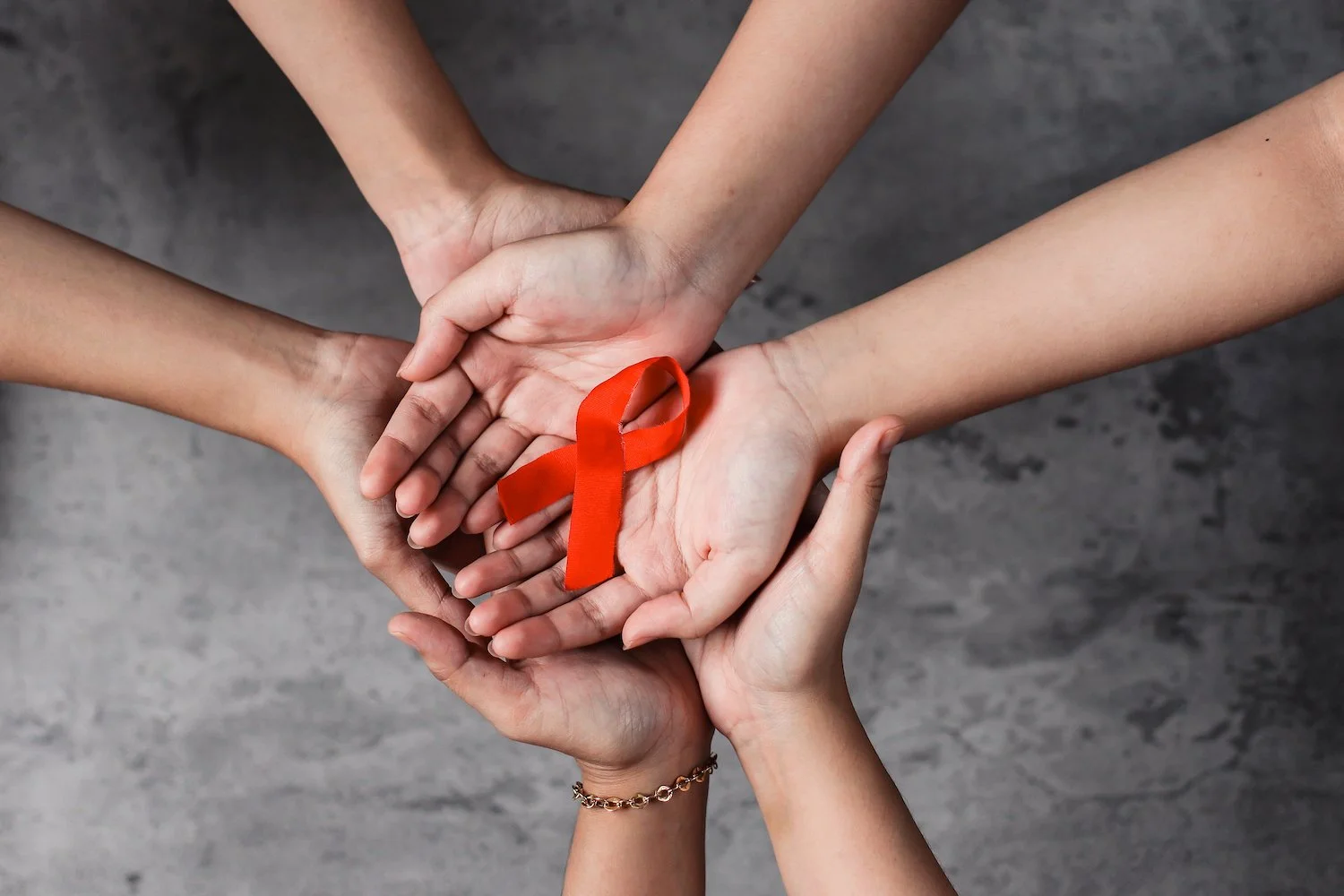
The red ribbon is the symbol of World AIDS Day.
It represents:
- Love
- Support
- Courage
- Awareness
- Solidarity
Wearing a red ribbon shows support for people living with HIV.
World AIDS Day Events Around the World
On this day, many events take place:
- Candlelight marches
- Public speeches
- Medical camps
- Awareness workshops
- Art exhibitions
- Charity concerts
- Community meetings
Each event helps spread knowledge and compassion.
Challenges Still Remaining
Even though the world has made strong progress in the fight against HIV/AIDS, many serious challenges still remain. These challenges slow down global efforts and create barriers for millions of people who need support, treatment, and correct information. Understanding these challenges is important because it helps governments, health workers, and communities plan better programs and take stronger action.
1. Lack of Awareness in Rural Areas
In many villages and remote regions, people still do not have proper knowledge about HIV how it spreads, how it can be prevented, or why testing is important. Due to limited education and lack of health services, many people believe myths or follow misinformation. This leads to late diagnosis, silent spread of infection, and fear in the community. Awareness campaigns are improving, but rural areas still need much stronger programs.
2. Poverty and Inequality
Poverty makes people more vulnerable to HIV. Poor communities often have limited access to healthcare, clean needles, protection, nutrition, and education. Many cannot afford to travel long distances to testing centers or hospitals. Economic inequality also affects treatment some people get fast and advanced care, while others struggle. Without reducing poverty, ending HIV is extremely difficult.
3. Gender-Based Violence
Women and girls in many parts of the world face domestic violence, sexual abuse, early marriage, and lack of decision-making power. Because of this, they often cannot negotiate safe sex or protect themselves. Gender-based violence increases the risk of infection and prevents women from seeking help or medical support. Protecting women’s rights is an essential part of fighting HIV.
4. Stigma and Discrimination
Stigma is one of the biggest obstacles today. Many people living with HIV still face judgment, social rejection, workplace discrimination, bullying, and emotional suffering. Some even hide their status out of fear. This stigma prevents people from getting tested or beginning treatment early, which makes the situation worse. Reducing stigma requires awareness, acceptance, and compassion at every level of society.
5. Limited Access to Treatment in Some Regions
While treatment is widely available in many parts of the world, some regions especially remote, tribal, or low-income areas still face shortages of medicines, trained doctors, and clinics. Some people must travel hours just to collect medicines. In conflict zones or areas affected by natural disasters, access becomes even more difficult. Without equal access, millions remain unprotected.
6. Low Testing Rates
A large number of people still do not get tested regularly. Some believe they are healthy, some are afraid of stigma, while others simply don’t know where testing is available. HIV can stay inside the body for years without symptoms, so low testing rates allow silent spread. Increasing testing is crucial for early treatment and controlling the epidemic.
7. No Effective HIV Vaccine Yet
Even after decades of research, scientists have not yet developed a fully effective HIV vaccine. Treatments today can control the virus, but they cannot completely remove it from the body. Research on vaccines and cures continues, but without a vaccine, prevention remains dependent on awareness and safe practices. This makes the fight against HIV more challenging.
8. Spread Among High-Risk Populations
Certain groups such as sex workers, drug users who share needles, transgender communities, and men who have sex with men are at higher risk because society often ignores or discriminates against them. Many members of these communities avoid hospitals because of fear and mistreatment. Unless every group receives equal respect and healthcare, it is impossible to stop the spread of HIV fully.
Future of HIV/AIDS: Hope Ahead
Scientists are working on:
- HIV vaccines
- Long-acting injections
- Gene therapy
- Cure research
- Better medicines
Slowly, the world is moving toward a future where HIV may no longer be a threat.
A Message of Compassion and Humanity
At its heart, World AIDS Day is about humanity.
It teaches us that:
- Everyone deserves respect
- Everyone deserves treatment
- Everyone deserves support
- Everyone deserves love
- No one should be judged
Compassion can reduce suffering more than anything else.
Final Thoughts
World AIDS Day is not just a date; it is a movement, a message, and a reminder of our shared responsibility. The world has made tremendous progress, but the journey is not over. By spreading awareness, supporting people living with HIV, encouraging testing, promoting safe practices, and fighting stigma, every person can play an important role.
A world free of AIDS is possible not through fear, but through knowledge, action, and kindness.
Frequently Asked Questions (FAQs)
1. What is World AIDS Day?
World AIDS Day is observed every year on 1st December to raise awareness about HIV/AIDS, support people living with HIV, remember those who lost their lives, and encourage global action to end AIDS.
2. Why is World AIDS Day important?
It is important because millions of people still live with HIV, many people do not know the facts, stigma continues, and new infections still occur. The day reminds everyone to learn, support, and take action.
3. What is the difference between HIV and AIDS?
- HIV is a virus that weakens the immune system.
- AIDS is the final and most serious stage of HIV infection.
Not everyone with HIV develops AIDS, especially if they take proper treatment.
4. How does HIV spread?
HIV spreads through:
- Unprotected sex
- Sharing needles
- Mother-to-child transmission
- Infected blood transfusion
It does not spread through touch, sharing food, mosquito bites, or casual contact.
5. Can HIV be cured?
There is no complete cure yet, but HIV can be controlled with Antiretroviral Therapy (ART). With treatment, people can live long, healthy, normal lives.
6. How can HIV be prevented?
Prevention methods include:
- Using protection during sexual activity
- Not sharing needles
- Getting tested regularly
- Taking ART during pregnancy
- Spreading awareness and education
7. What is the symbol of World AIDS Day?
The symbol is the red ribbon, which represents love, support, courage, and solidarity with people living with HIV.
8. Who is most at risk of HIV?
Anyone can get HIV, but high-risk groups include sex workers, drug users who share needles, transgender communities, and people with multiple sexual partners. Lack of awareness also increases risk.
9. Can HIV-positive people live normal lives?
Yes. With regular treatment, healthy diet, and proper medical support, people living with HIV can live a normal and long life. They can work, study, marry, and have children safely.
10. Is HIV testing necessary even if there are no symptoms?
Yes. HIV often shows no symptoms for years. Testing is the only way to know your status and begin treatment early if needed.
11. How can I support World AIDS Day?
You can support by:
- Wearing a red ribbon
- Joining awareness programs
- Sharing correct information
- Supporting people living with HIV
- Encouraging others to get tested
12. What is U=U?
U=U means Undetectable = Untransmittable. If a person takes treatment regularly and their viral load becomes undetectable, they cannot transmit HIV sexually.