India AMR Policy Update: New National Plan to Tackle Rising Drug Resistance

India AMR Policy Update marks a significant moment in the country’s renewed fight against antimicrobial resistance, as India unveils a strengthened national strategy aimed at countering one of the most serious public health threats of the century. With rising cases of drug-resistant infections and increasing global concern, India’s announcement of the updated National Action Plan on Antimicrobial Resistance (NAP-AMR 2025–29) reflects a deepened commitment to protecting communities, healthcare systems and the future of medical treatment. The plan was released in New Delhi during World AMR Awareness Week, highlighting its urgency and global relevance.
Thank you for reading this post, don't forget to subscribe!India AMR Policy Update: A New Phase in National Strategy
The latest policy update positions antimicrobial resistance as a critical national priority. Drug-resistant infections are no longer challenges limited to hospitals; they affect animals, food systems, the environment and communities at large. Recognizing this interconnectedness, the government’s revised action plan provides a stronger roadmap for coordinated national action. It also strengthens accountability mechanisms across ministries and institutions that are responsible for managing the spread of AMR.
The updated initiative builds on the foundation laid by the first national plan introduced in 2017. While the earlier framework helped raise awareness and create initial systems for surveillance and stewardship, the need for deeper engagement, better coordination and stronger monitoring became increasingly clear. NAP-AMR 2.0 is designed to bridge these gaps with clearer targets, defined budgets and multisectoral collaboration.
India AMR Policy Update: One Health Approach Gains Priority
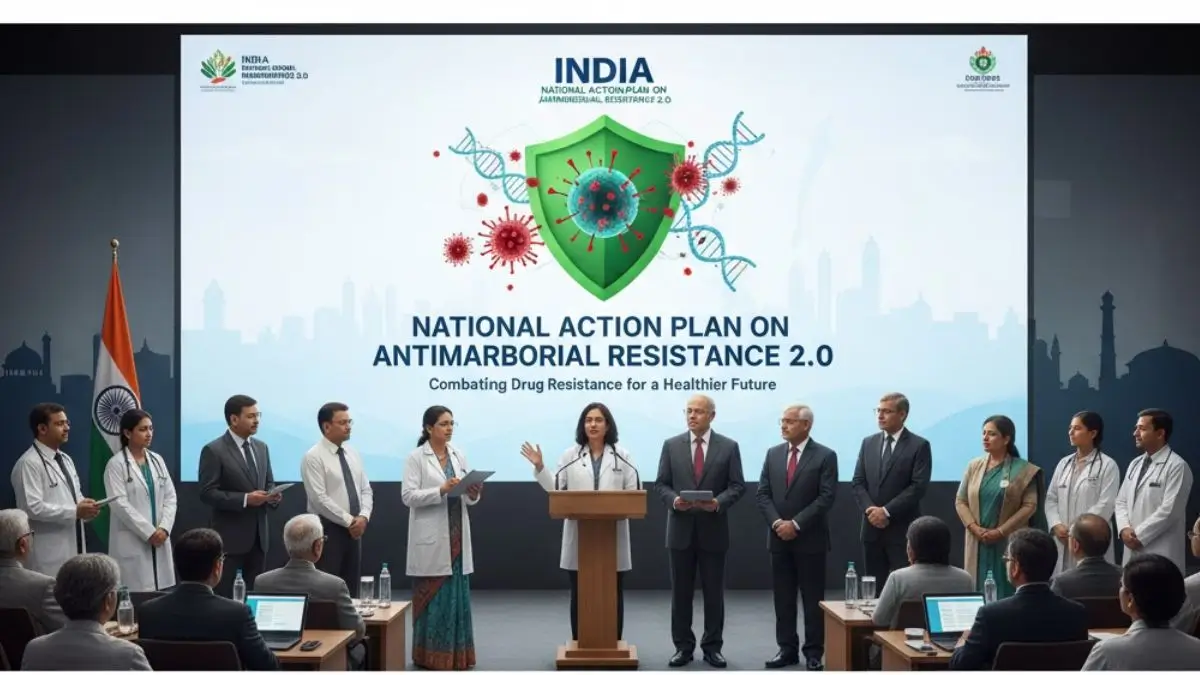
At the core of the new action plan is the One Health approach, which recognises that resistant microbes spread across human, animal, agricultural and environmental systems. The policy stresses that tackling antimicrobial resistance requires unified action rather than sector-specific efforts. More than 20 ministries and government bodies have been assigned responsibilities to ensure no component of the AMR chain is overlooked.
Under this approach, the plan integrates:
- Human health sector initiatives
- Veterinary and livestock management practices
- Food production and agricultural systems
- Environmental protection and waste management strategies
This wide-ranging integration ensures that resistant bacteria emerging from farms, hospitals, wastewater and food supply networks can be addressed through harmonised policies.
Strengthened Rationale for Action as Health Risks Rise
Antimicrobial resistance poses a severe threat to modern healthcare. The effectiveness of life-saving medical procedures including organ transplants, cancer chemotherapy, childbirth care and routine surgeries depend heavily on reliable antibiotics. As resistance increases, common infections are becoming harder to treat, resulting in longer hospital stays, higher healthcare costs and increased risk of mortality.
The overuse and misuse of antibiotics in clinical settings, unregulated sale of antimicrobials, heavy use of antibiotics in livestock, and contamination from pharmaceutical manufacturing sites have all contributed to a steady rise in resistant organisms. India, one of the world’s largest antibiotic consumers, faces a particularly urgent challenge.
The updated policy emphasises that without immediate corrective measures, the world could enter a “post-antibiotic era,” where minor injuries and basic infections become life-threatening once again. NAP-AMR 2.0 outlines strategies to slow down this progression and preserve the efficacy of existing treatments while encouraging innovation.
India AMR Policy Update: Strategic Objectives and Planned Activities
The new action plan is structured around six major objectives that guide the national response to AMR. These include:
1. Strengthening Awareness and Education
Educational campaigns, improved communication materials and community-level engagement will help reduce unnecessary antibiotic consumption and promote scientific understanding of AMR risks.
2. Expanding Surveillance Networks
India aims to enhance laboratory infrastructure, improve monitoring systems for antibiotic resistance and extend surveillance to environmental outlets, food chains and veterinary sectors.
3. Improving Infection Prevention and Control
Hospitals, clinics, veterinary centres and food processing units will adopt stricter infection-control protocols. Emphasis will be placed on sanitation, hygiene, vaccination and improved waste handling.
4. Enhancing Antimicrobial Stewardship
Efforts will focus on responsible antibiotic use across agriculture, clinical practice and animal husbandry. Prescription audits, regulatory control and stewardship programmes will help reduce misuse.
5. Prioritising Research and Innovation
The plan encourages investment in new diagnostic tools, alternative therapies, vaccines and research on resistance mechanisms. It also promotes collaboration among academic institutions and global partners.
6. Strengthening Governance, Monitoring and Accountability
NAP-AMR 2.0 introduces clearer roles for ministries, reporting systems, timely data sharing, and cross-sectoral coordination to ensure smooth and sustained implementation.
Multisectoral Engagement to Drive Implementation
A strong governance mechanism is central to the success of the new policy. Each ministry participating in the plan will now create detailed implementation roadmaps with timelines, budgets and performance indicators. Collaboration will extend to private healthcare providers, pharmaceutical companies, industry associations, academic researchers, civil-society organisations and international agencies working on global AMR control.
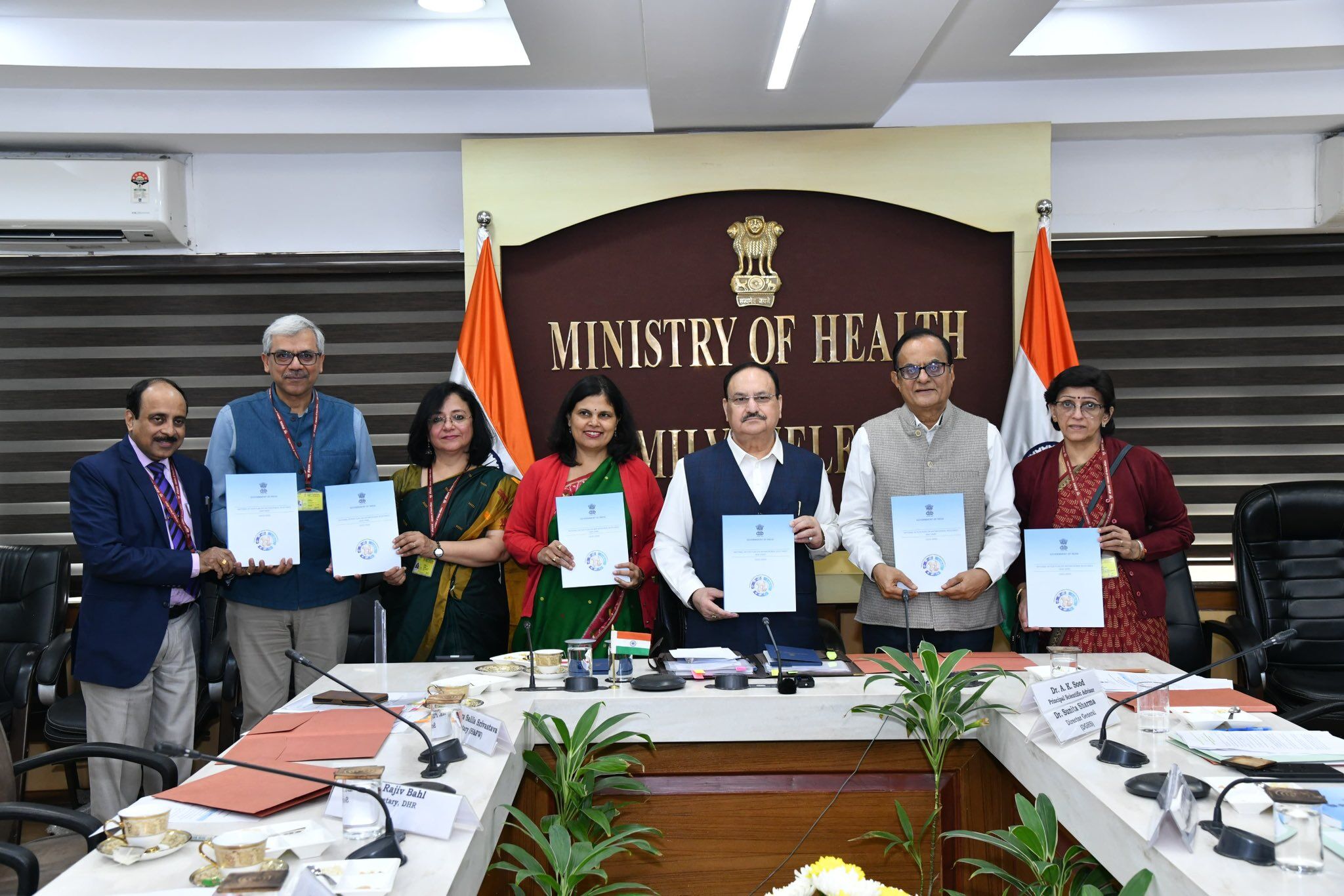
The plan also stresses the need to engage communities and citizens as key partners. Public participation through awareness drives, responsible use of antibiotics, proper food handling practices and demand for regulated prescriptions forms an essential layer of the national response.
By strengthening multisectoral engagement, the updated policy aims to create a sustainable AMR-management ecosystem that will support India’s health systems over the next five years.
India AMR Policy Update: A National Commitment to Protect Public Health
With this renewed strategy, India seeks to address both immediate and long-term challenges associated with antimicrobial resistance. The policy focuses on behavioural changes, systemic reform, scientific innovation, and environmental safeguards. As the country moves forward with NAP-AMR 2.0, coordinated national action across ministries, sectors and communities remains the foundation of progress.
The India AMR Policy Update stands as a reminder that managing antimicrobial resistance is not only a medical necessity but a societal responsibility requiring continuous vigilance, responsible antibiotic use and commitment from all stakeholders.