The Sonowal Kacharis Tribe of Assam: A Comprehensive Insight

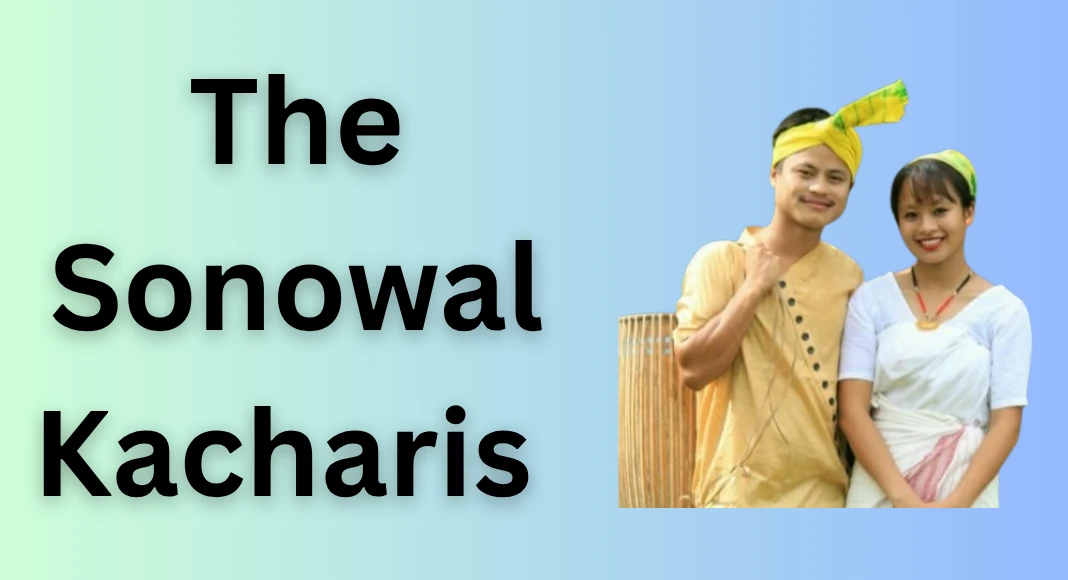
The Sonowal Kacharis Tribe of Assam represents a unique and historically rich community, deeply embedded in the cultural and social fabric of Assam. Demographically, the Sonowal Kacharis form the third-largest plains tribal group of Assam, predominantly inhabiting Dibrugarh district, with smaller settlements in Lakhimpur, Sibsagar, and Jorhat districts. Their connection to the Bodo group is profound, tracing close ties with the Barmans of Cachar district, Boro Kacharis of Lower Assam, and Dimasas of North Cachar Hills. Despite differences in names, the ethnic distinction between Boro and Sonowal Kacharis is subtle, reflecting shared ancestry and cultural heritage.
Thank you for reading this post, don't forget to subscribe!Historical Origins of the Sonowal Kacharis
Legend About the Origin
The origin of the Sonowal Kacharis is wrapped in legends. According to oral traditions, a king named Ban Raja (or a contemporary ruler) had four sons: Dimasa, Garo, Bhalukbir, and Hogra. While the Dimasas established the Boro kingdom in Cachar or Dimapur, the Garos moved to the Garo Hills, and Bhalukbir became king of the Akas at Balipara. The Hogras settled in Sadiya, initially taking refuge in Miri villages, later moving to the banks of the Kundil River. Merging with three Miri families Hägu, Likäm, and Dafli they formed three Sonowal Kachari clans: Hägumiri, Likämmiri, and Dafläri.
Historically, the Sonowals expanded their influence up to Hkhampti and the Singpho principality of Northern Burma, establishing their capital at Pätsadiä. However, attacks by the Ahoms and Lotharä, the Singpho chief, forced them to shift southward. A symbolic copper coin is placed over the dead to signify land purchase, as the southern bank of the Brahmaputra was not their original territory.
Legendary Ancestors
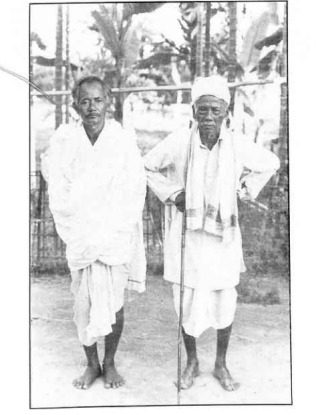
The Sonowal Kacharis revere legendary figures such as Bhaskarbarmä, Narakäsur, Bän, Bhagadatta, Hirimba, Chotot-kos, Bhim, Prahlad, and Bali. Scholars like Sarbananda Rajkumar and Dr. Lila Gogoi suggest that historical evidence at Sadiya, including temples like Tamreswari and Kesäi khati, points to the existence of a Kachari kingdom before the Chutiyas, possibly ruled by a king named Manick during the 11th–12th century A.D.
Origin of the Name ‘Sonowal’
The name Sonowal is believed to derive from the word ‘Son’ (gold), referring to their historical occupation as gold washers along rivers like Suwansiri. During the Ahom reign, the Kacharis who collected gold particles became known as Sonowals. Reports from the late 19th and early 20th centuries document auriferous rivers in Assam, where Sonowals formed guilds like Sonowal Khel to engage in gold collection.
A folk story also ties the name to the influence of a spiritual Goswami named Keshdeo. Kachari families offering gold in the process of conversion to Hinduism came to be called Sonowal Kacharis.
Social Structure of the Sonowal Kacharis
Village Administration
The Sonowal Kacharis maintain a social structure akin to their non-tribal Assamese neighbors. The Gaonbura or village headman oversees daily administration and commands respect. Other key office bearers include the Bärik, Päthek, Axirbadia Bura, Gitghai, Medhi, Tamuli, and Rändhani, each responsible for religious, administrative, or community tasks. The Namghar (village prayer hall) serves as a hub for dispute resolution, and punishments range from fines to excommunication.
Family and Clan System
Sonowal Kachari families are primarily nuclear, though joint family systems exist. Inheritance follows a patrilineal pattern, with land and immovable property passing to male heirs. The tribe is divided into seven exogamous clans: Ball Khitiari, Chiri Puriya, Amarabamiya, Dhalial, Ujani Kuchiya, Namani Kuchiya, and Tipamiya, further subdivided into fourteen subclans. Clan affiliations are mostly ceremonial, relevant during marriage.
Economic Life and Agriculture
Agriculture as the Main Livelihood
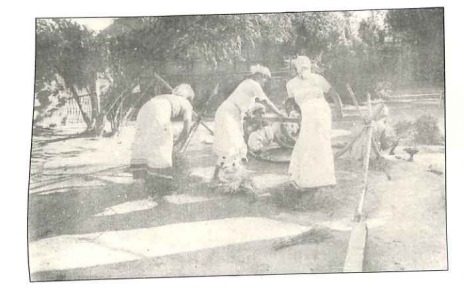
Agriculture is central to the Sonowal economy. They are primarily wet cultivators, growing Sali and Ahu paddy, mustard, potatoes, sweet potatoes, and various winter vegetables. Fertilizers and pesticides are rarely used; cow dung is the primary manure. Traditional techniques dominate, with a few families adopting modern agricultural practices.
Food and Dietary Practices
Rice is the staple food of the Sonowals. Their diet includes vegetables, pulses, fish, mutton, and chicken, but not pork. Rice beer, once a traditional drink, is now consumed occasionally, mostly during festivals. Betel leaves and nuts were traditionally offered to guests, though tea has now largely replaced rice beer.
Dress, Housing, and Material Culture
Traditional Attire
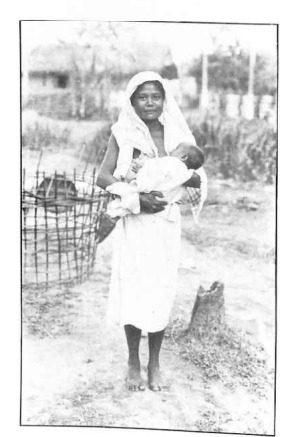
Sonowal Kacharis wear attire similar to rural Assamese communities. Women weave most household clothes on handlooms, preserving traditional weaving practices.
House Structure
Sonowal homes are typically Assam-style with separate spaces for livestock and granaries. Courtyards are used for threshing paddy, and well-to-do families often have pucca or semi-pucca houses with CI sheet roofing. Lands around homes are partly cultivated and partly maintained as forests for building materials.
Social Life and Community Practices
Cooperation defines the social life of the Sonowals, forming the backbone of their close-knit community. Villagers work together not only during harvests, house construction, and community events but also in maintaining common resources, preparing for seasonal festivals, and assisting families during times of need such as births, marriages, or illnesses. Men are skilled in agriculture, housebuilding, and other physically demanding tasks, while women actively contribute in the fields, weave intricate clothes on traditional looms, prepare meals for extended families, and manage household chores. Children are also involved from a young age, learning community values, agricultural techniques, and social etiquette. Social unity is strictly maintained, and any disputes whether over land, family matters, or religious differences are amicably settled within the village, often under the guidance of elders and respected office bearers. Youth play an active role in organizing and participating in festivals, religious ceremonies, and communal projects, ensuring continuity of cultural traditions. Although women do not formally join the village councils or decision-making bodies, their influence is felt indirectly, as they participate in discussions during community gatherings, provide counsel in family matters, and contribute to sustaining cultural practices. Storytelling, folk songs, and dances are common in social gatherings, helping transmit historical memories, moral lessons, and the rich heritage of the Sonowal Kacharis to the younger generation.
Marriage and Family Customs
Marriage is vital for social completeness. The typical marriageable age is 22–25 for men and 18–22 for women. Exogamy is strictly observed, and monogamy is the norm, though a second wife may be taken with the first wife’s consent.
Four distinct forms of marriage exist: Nowa Dhowa (Bor Biya), Hom Diya, Gandharba, and Churchuria (Rabha Sarakai Diya). The Gandharba form, a love-based union, is increasingly popular due to minimal expenditure. A bride price is customary, particularly in Gandharba marriages, though modern practice often limits it to nominal sums.
Religion and Spiritual Practices
The Sonowal Kacharis are devout followers of Mahapurushia Baishnav Dharma, mostly associated with the Auniati Satra. Two broad religious divisions exist: Sarania (younger followers) and Bhajania (elderly devout practitioners). While Vaisnavism is central, traditional beliefs in deities and natural forces persist, including Bathow Puja and worship of household deities such as Bură Poha, Saragdeo, Pir Diya, Moräk Diya, and Lakhimi Diya.
Religious Ceremonies
Important observances include Janmastami, tithis of Sri Sankardev and Sri Madhabdev, Sengeli Mäsor Sabah, Lakhimi Sabah, Noräaiga Sabah, and communal feasts for social welfare. Seasonal ceremonies address epidemics or natural calamities, reflecting a blend of folk and Vaisnavite traditions.
Festivals of the Sonowal Kacharis
Rangali Bihu
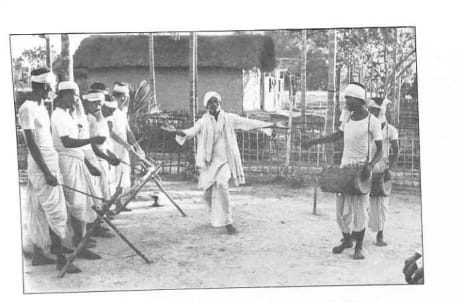
Rangali Bihu, the most significant festival, falls on 14th April and continues for two weeks. It celebrates spring, youth, and agriculture. Boys and girls perform dances in groups, accompanied by drums and pipes. Women prepare special Bihu delicacies like Chira and Pitha, while cattle are ceremonially bathed and honored on the first day (Garu Bihu). Husori parties visit households offering blessings in exchange for contributions used in socio-religious events.
Magh Bihu and Kati Bihu
Other Bihu festivals, Magh Bihu (14th January) and Kati Bihu (17th October), are also observed, marking the harvest and agricultural cycles with traditional rituals, food offerings, and communal celebrations.
Death Rituals and Ancestor Worship
The Sonowal Kacharis primarily cremate the dead, though children below five, pregnant women, and epidemic victims are buried. Purificatory ceremonies follow a three-tier system: Tilani (3rd day), Duhdiniä Daha (10th day), and Kuridiniä Käj (20th day). Ancestor worship is prevalent, with Nämkirtan and community feasts forming part of commemorative practices.
Changing Trends in Sonowal Society
Modernization has profoundly influenced the socio-economic landscape of the Sonowal Kacharis. Infrastructure development, improved connectivity, widespread access to education, and increased exposure to urban lifestyles have fostered greater economic awareness, social mobility, and occupational diversification among the community. Whereas earlier generations primarily depended on agriculture and traditional occupations, today younger members are increasingly drawn to white-collar jobs, entrepreneurship, and service-sector employment, reflecting a shift towards modern aspirations. Traditional leadership structures, once dominated by village elders and hereditary heads, are gradually giving way to educated leaders who bring new perspectives and governance skills to community affairs.
Changes are also evident in material culture, housing, clothing, and food habits. Many families now prefer modern Assam-style pucca houses, contemporary dresses have replaced most traditional attire for daily wear, and rice beer consumption has significantly declined, being replaced by tea and other beverages, except during festive or religious occasions. Hindu rituals, prayers, and festivals are increasingly integrated into daily life, reflecting both assimilation and adaptation, while revivalist movements and cultural organizations actively work to preserve the indigenous customs, dances, music, and folklore of the Sonowal Kacharis.
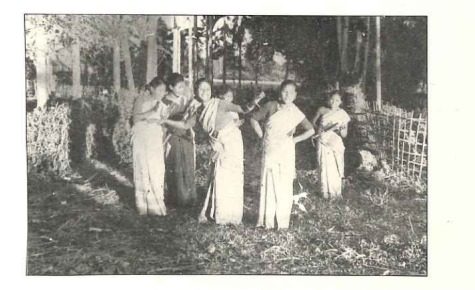
The community is not only embracing socio-economic changes but also asserting itself politically. The Sonowals are actively involved in state and national politics, with representatives holding seats in the Lok Sabha and Assam Legislative Assembly. Notably, women leaders from the Sonowal community are now taking on influential roles, contributing to social development initiatives, policymaking, and the overall upliftment of the tribe. This dynamic blend of tradition, modernization, and political engagement highlights the resilience, adaptability, and progressive outlook of the Sonowal Kacharis in contemporary Assam.
Conclusion
The Sonowal Kacharis Tribe of Assam embodies a unique confluence of tradition, culture, and adaptability, making them one of the most distinctive indigenous communities of the region. Their history, spanning centuries, from the gold-washing Kacharis along the banks of the Brahmaputra and its tributaries to devout followers of Mahapurushia Vaisnavism, reflects a community that is both resilient and flexible in the face of socio-cultural transformations. Their rich heritage is manifested in agricultural practices that sustain their livelihoods, intricate clan-based social systems that ensure harmony, and vibrant festivals that bring together the entire community in celebration. Moreover, their devotion to spiritual and religious traditions, including the worship of household and village deities, underscores a strong connection to their ancestral roots. Today, the Sonowal Kacharis are embracing modern education, infrastructural development, and political engagement, enabling them to actively participate in shaping contemporary Assamese society. Despite these changes, they remain deeply committed to preserving their traditional identity, language, customs, and values, skillfully balancing the pressures of modernization with the preservation of a rich cultural legacy that continues to inspire pride and unity within the community.