The Zeme Nagas: Guardians of North Cachar Hills Heritage

The Zeme Nagas of the North Cachar Hills represent one of the most fascinating indigenous communities of Assam, known for their unique traditions, rich folklore, and deep connection with nature. They inhabit the scenic Barail Range, which extends from the boundaries of Nagaland and Manipur up to Maibang and the Kapili River.
Thank you for reading this post, don't forget to subscribe!Though small in number, the Zeme Nagas hold immense cultural importance. Often associated with the term Zeliangrong, this collective identity refers to three kindred tribes Zeme (or Zemei), Liangmei, and Rongmei signifying the unity of Ze-Liang-Rong. In Nagaland, they are known as Zeliang, while in Manipur, the Zemes and Liangmeis are collectively referred to as Kacha Nagas. Despite these regional differences, their shared heritage, social customs, and oral traditions form a distinct identity deeply rooted in the hills of Assam.
Migration and Settlement of the Zeme Nagas of the North Cachar Hills
The Zeme Nagas trace their origins to the great Mongoloid migration into Northeast India thousands of years ago. Alongside other Naga groups, they settled in the Naga Hills (present-day Nagaland). However, their migration into the North Cachar Hills now Dima Hasao district took place much later, around the 18th century.
Historical accounts suggest that the Zemes moved through Manipur and eventually settled in the northeastern parts of the North Cachar Hills, which were then part of the Kachari Kingdom. For a long time, they lived under Kachari rule, but with the decline of Kachari power, they faced frequent raids from the warlike Angami Nagas, forcing many villages to shift westward across the Diyung valley to the banks of the Kapili River.
The Zemes practiced a unique system of cycle migration a slow generational process where entire villages shifted from one preselected site to another as the land used for jhuming (shifting cultivation) became exhausted. Once vegetation regenerated, they often returned to their original sites, keeping alive ancestral memories and sacred burial grounds. This close bond with their land continues to shape their identity and traditions even today.
Social Life of the Zeme Nagas of the North Cachar Hills
Family and Clan System
The Zeme Nagas follow a patriarchal family structure, where descent is traced through the male line. The father is the head of the household, and authority passes to the eldest son. Families are typically nuclear, though joint families also exist in some cases.
They have six clans of equal status Npame, Nkuame, Heneume, Nriame, Sogame, and Panme. These clans are strictly exogamous, meaning marriage within the same clan is prohibited. Inter-clan marriage reinforces social harmony and ensures genetic diversity within the community.
Marriage Customs
Marriage by negotiation is the most common form. If both families agree and clan exogamy rules are observed, the union proceeds. The bride price, known as Hemipaibe, may be paid in cash or kind including necklaces, paddy, cattle, or mithun.
On the wedding day, the couple dresses in traditional attire, and the priest performs rituals invoking Tingwang, the supreme deity, for their wellbeing. The celebration continues with grand feasts, rice beer (Inaduijang), and dancing. Divorce (Kalak Sakbe) is permitted but must be approved by the village council. Property division depends on who initiates the separation, showcasing a fair customary law system.
Birth and Death Rites
At childbirth, elderly women assist the mother, who remains in seclusion for five days. On the sixth day, the baby is shown to the sun symbolizing life and renewal followed by naming and purification rituals on the 11th day.
Death, in Zeme belief, marks the soul’s journey to the spiritual world. The deceased is bathed, dressed, and buried in front of the house along with personal belongings. A memorial stone marks the grave. The final death ceremony is held after one year, with a feast led by village priests (Tingko), symbolizing peace for the departed soul.
Inheritance and Leadership
The eldest son inherits the father’s property and assumes responsibility for younger siblings. If a man dies childless, his brother inherits; if none exist, the property passes to the village council. Daughters inherit only their mother’s ornaments and weaving tools.
Village leadership lies with the Matai (headman), assisted by the Kadaipeo (landowner), Paitingko (priest), and Mataichepeo (assistant headman). Together, they form the village council, managing land distribution, law and order, and festivals the core of Zeme self-governance.
The Morung System: Traditional Youth Dormitories
The Morung system is one of the most remarkable features of Zeme social life. Known as Hangseuki for boys and Leoseuki for girls, these dormitories serve as centers of education, discipline, and socialization.
From the age of eight, children sleep in their respective dormitories, where they learn skills like hunting, dancing, singing, craft-making, and community service. The Hangseuki is an impressive structure, beautifully decorated with animal skulls and carvings, symbolizing strength and heritage.
Morungs are also centers of village welfare maintaining water pipelines, clearing pathways, and helping families in need. Members of the Morung also assist newly married women in other villages, showcasing the spirit of collective responsibility that defines Zeme society.
Religious Beliefs of the Zeme Nagas of the North Cachar Hills
Traditionally, the Zeme Nagas are animists, worshipping natural forces and ancestral spirits. They believe in one supreme deity, Tingwang, who governs all other benevolent and malevolent spirits. Rituals are performed by the village priest (Paitingko), involving animal sacrifices usually buffaloes, pigs, or birds to seek protection and prosperity.
Agriculture being central to their life, they worship Suhprai, the god of crops, to ensure good harvests. Ritual purity is strictly maintained during religious ceremonies; outsiders are forbidden from entering homes during rituals.
On full moon days, they observe Genna, a sacred day of rest dedicated to spiritual observance. While many Zemes continue their traditional faith, a significant number have embraced Christianity, blending new beliefs with their ancient customs.
Economic Life of the Zeme Nagas of the North Cachar Hills
Agriculture and Land System

Agriculture, particularly jhum cultivation, forms the backbone of Zeme economy. They grow paddy, maize, millet, ginger, vegetables, and cotton on the hill slopes. Horticulture is also practiced, with pineapples, oranges, guavas, and pomegranates being common.
A distinctive feature of Zeme society is their three-tier land ownership system:
- Kadepeo’s Land – Owned by hereditary landlords, who receive a small share of paddy as rent.
- Clan Land – Cultivated exclusively by members of a particular clan.
- Community Land – Shared and cultivated by all village families collectively.
This system reflects both individual ownership and collective responsibility, fostering cooperation rather than competition.
Cottage Industries and Livestock
Weaving on loin looms is an important cottage industry. Every Zeme woman is a skilled weaver, producing beautifully designed fabrics dyed from natural herbs. Men engage in bamboo and cane craftwork, creating tools, baskets, and decorative items.
Animal husbandry supplements agriculture. They rear mithuns, pigs, cows, goats, and poultry, not only for food but also for religious and social ceremonies. Surplus livestock and farm produce are sold in weekly markets, strengthening their local economy.
Cultural Life of the Zeme Nagas of the North Cachar Hills
Festivals
The Zeme Nagas celebrate numerous festivals that reflect their agrarian lifestyle and communal spirit. Two major ones stand out:
1) Heleibambe Festival
Celebrated before the start of jhum cultivation (around April), this festival seeks blessings from Suhprai, the crop deity. It lasts two days the first marked by buffalo sacrifices and feasts, and the second filled with singing, dancing, and processions through the village streets. The aim is to ensure a prosperous agricultural season.
2) Siami Festival
Observed during harvest time, Siami is a joyous celebration similar to the Dimasa Bishu festival. Youths prepare months in advance, brewing rice beer, collecting meat, and weaving clothes. The festival spans four days of continuous feasting, dancing, and singing.
A special highlight is the botanical competition, where boys and girls compete in naming plants, flowers, and trees a beautiful way to preserve ecological knowledge through oral tradition.
Folk Songs and Dances
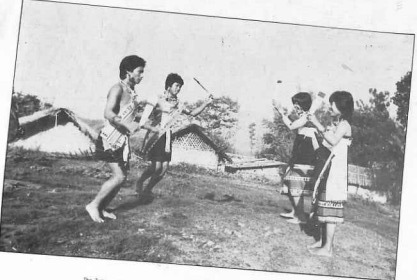
The Zemes have a rich tradition of folk songs from romantic and heroic ballads to devotional hymns sung during fieldwork and festivals. Their dances are energetic and expressive, often narrating hunting scenes, warfare, and communal harmony. Accompanied by rhythmic drumbeats and chants, Zeme dances embody strength and unity.
Musical Instruments
Their traditional instruments include:
- Som – a large drum covered with buffalo hide,
- Metiam – a bamboo flute,
- Buike – a horn made from buffalo horn,
- Endra – a stringed instrument resembling a veena,
- Towai – a pair of metal gongs used during festivals.
Dress and Ornaments
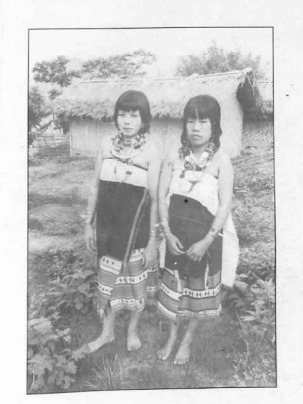
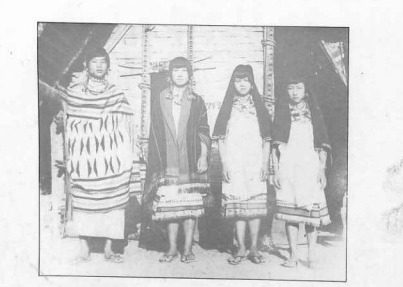
Zeme attire is colorful and symbolic.
- Men wear Npokpai (for bachelors) and Paitek (for married men), along with black or white dhoti (Enjingui or Heni).
- Women wear Mini skirts, Nphaitik or Imphai shawls, and the exquisite Nheigianue cloth.
Both genders adorn themselves with elaborate ornaments necklaces of beads (Teuba), sea-shells (Luitoo), armlets, and brass bracelets. Women wear Telateu necklaces and heavy Ghita bangles, highlighting their artistic craftsmanship.
Food and Drink
Rice is the staple food, accompanied by vegetables, bamboo shoot delicacies, and meat. The meat of mithun is considered a delicacy. Their traditional drink, Ijaduijang (rice beer), is central to hospitality and community gatherings. Tea, often without milk, is also consumed daily.
Conclusion: The Legacy of the Zeme Nagas of the North Cachar Hills
The Zeme Nagas of the North Cachar Hills are a vibrant example of cultural continuity amid modern change. Despite geographical isolation and limited resources, they have preserved their heritage through collective effort, moral discipline, and community values.
While modern education, Christian missions, and government programs are gradually transforming their lifestyle, the Zemes continue to uphold their traditions with pride. Their folk wisdom, eco-friendly practices, and communal harmony reflect a civilization in balance with nature a lesson as relevant today as ever.
Their legendary heroine Rani Gaidinliu, who fought against British rule and stood for Naga identity, remains an enduring symbol of Zeme courage and pride.