Kartik Purnima Festival — A Deep Dive into the Sacred Full Moon in Kartik

The Kartik Purnima festival is one of the most spiritually significant and culturally vibrant festivals celebrated across India. Falling on the full moon day (Purnima) of the Hindu month of Kartik usually in November or early December this festival marks the culmination of a holy month filled with prayers, fasting, and spiritual awakening. Kartik is considered the most sacred month in the Hindu lunar calendar, and its full moon day is believed to hold immense divine power.
Thank you for reading this post, don't forget to subscribe!Known by various names across regions, Kartik Purnima is celebrated with deep reverence and joy. In Varanasi, it’s known as Dev Deepawali (the Diwali of the Gods), in Odisha it’s called Boita Bandana, while in southern India, it coincides with Tripurari Purnima, commemorating Lord Shiva’s victory over the demon Tripurasura. Each tradition adds its unique color, legend, and ritual to this sacred day, making it one of the most diverse and beautiful observances in India’s spiritual calendar.
The Sacred Significance of Kartik Purnima Festival
The Kartik Purnima festival is believed to be a day when divine energies are at their peak. Scriptures mention that on this day, the gods descend to Earth to bless devotees. According to Hindu belief, taking a holy dip in sacred rivers like the Ganga, Yamuna, Godavari, or Narmada during Kartik Purnima washes away sins and grants spiritual merit (punya). Devotees often light earthen lamps and float them in rivers, symbolizing the victory of light over darkness and the triumph of good over evil.
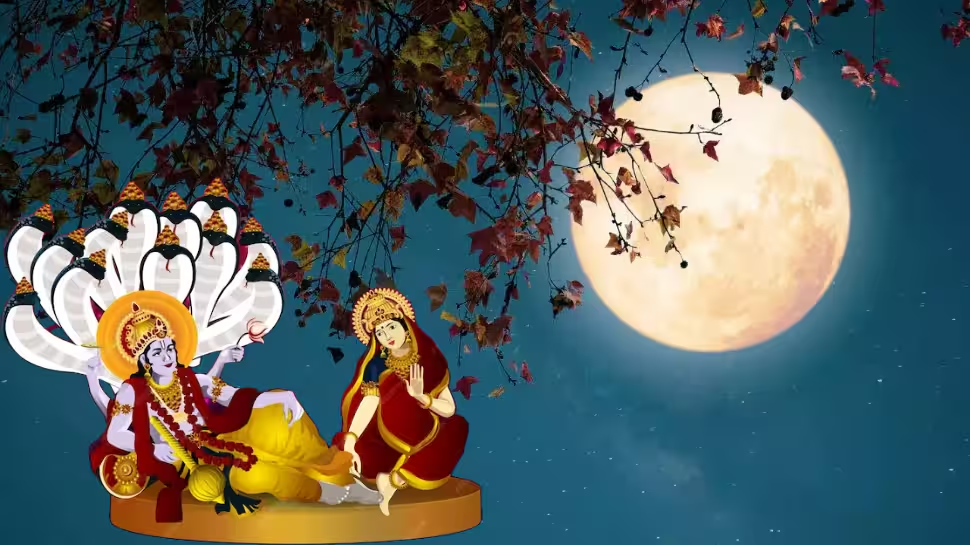
The festival holds great importance in Vaishnavism and Shaivism alike. For devotees of Lord Vishnu, Kartik Purnima marks the day when he took the Matsya (fish) avatar to save the Vedas from the demon Hayagriva. For followers of Lord Shiva, it celebrates Tripurari Purnima, when Shiva destroyed the three demon cities of Tripura, liberating the world from darkness.
Thus, Kartik Purnima embodies the unifying essence of Hindu spirituality where light, knowledge, and righteousness conquer ignorance and evil.
Legends and Mythological Background
Like many Hindu festivals, the Kartik Purnima festival is rooted in several mythological tales, each emphasizing divine triumph and spiritual enlightenment.
1. The Story of Lord Shiva and Tripurasura
One of the most well-known legends is that of Tripurari Purnima. The demon Tripurasura, after obtaining immense power through penance, created three impregnable cities in the sky. He and his forces began to torment gods and humans alike. Unable to bear the atrocities, the gods sought Lord Shiva’s help. On Kartik Purnima, Lord Shiva destroyed the three cities with a single arrow, earning the title Tripurari the destroyer of Tripura. This event symbolizes the victory of divine light over demonic darkness, celebrated as Tripurari Purnima in many parts of India.
2. The Matsya Avatar of Lord Vishnu
According to the Matsya Purana, on Kartik Purnima, Lord Vishnu appeared as a fish to save the sacred Vedas and mankind from a great deluge. This is why the festival also holds deep significance for Vaishnavites. Many devotees observe a fast and offer prayers to Lord Vishnu on this day.
3. The Birth of Lord Kartikeya
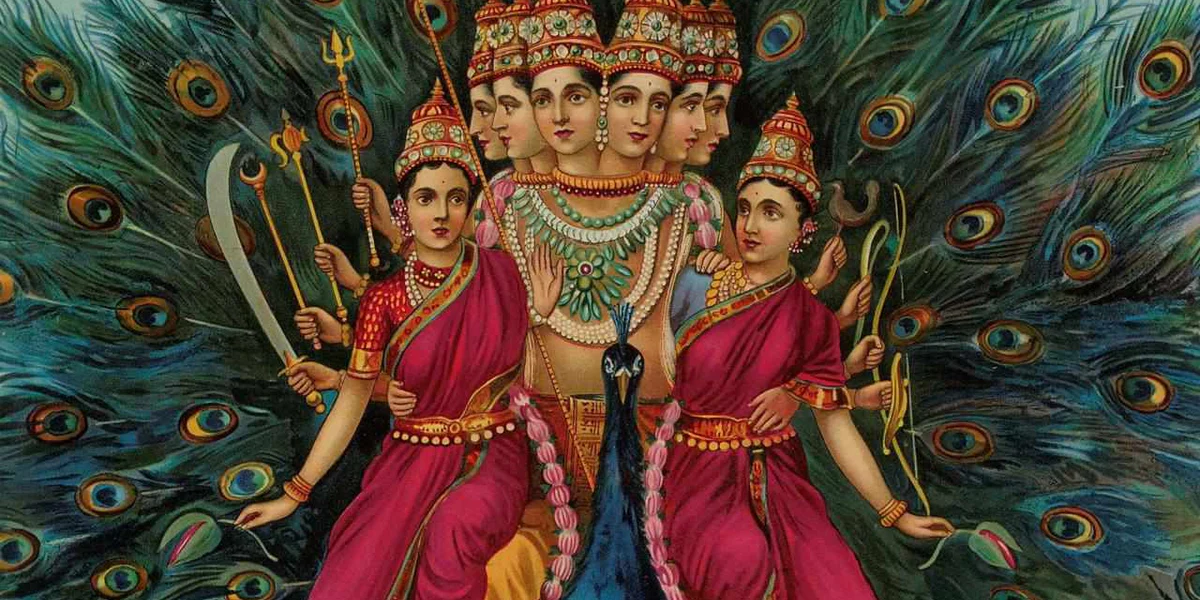
Another legend associates this day with the birth of Lord Kartikeya (Murugan), the son of Lord Shiva and Goddess Parvati. Known as the god of war, Kartikeya was born to destroy the demon Tarakasura. In southern India, particularly Tamil Nadu, devotees celebrate this occasion with grandeur, visiting Murugan temples and performing special rituals.
4. The Day of Tulsi Vivah Completion
The Kartik Purnima festival also marks the conclusion of the Tulsi Vivah ceremony the symbolic marriage of the Tulsi plant (holy basil) with Lord Vishnu. This signifies the end of the monsoon and the beginning of the auspicious season for marriages in Hindu tradition.
Spiritual Practices and Observances
The month of Kartik is considered highly auspicious, and devotees engage in spiritual activities throughout the month, culminating on Kartik Purnima. The day begins early with a holy dip at dawn, known as Kartik Snan. People then offer prayers to deities, light lamps, and perform charitable acts.
1. Holy Bath and Rituals
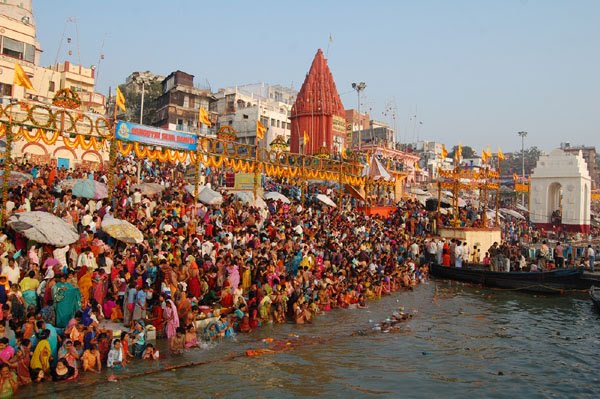
Taking a dip in sacred rivers at sunrise is believed to purify the soul. Pilgrims gather in large numbers at places like Varanasi, Pushkar, Haridwar, and Rishikesh to perform Ganga Snan or Pushkar Snan. The belief is that those who bathe in these holy waters on Kartik Purnima attain salvation (moksha).
2. Lighting of Lamps (Deep Daan)
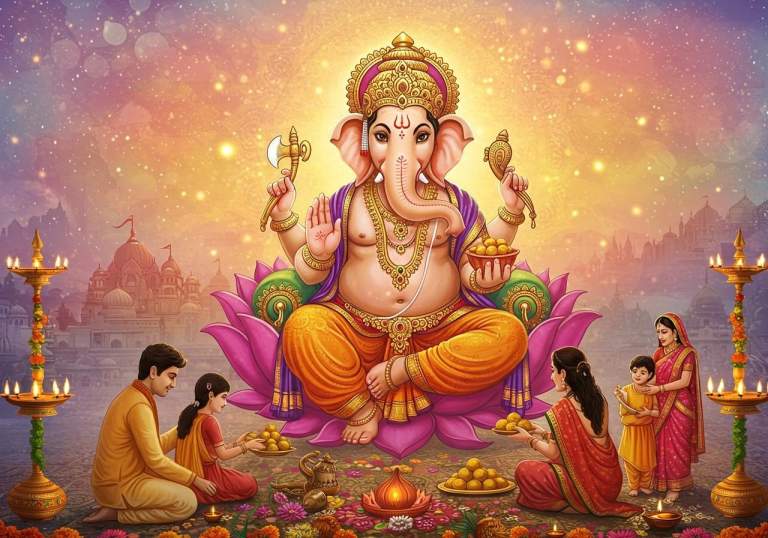
Lighting lamps is an essential ritual of the Kartik Purnima festival. Devotees decorate their homes, temples, and riverbanks with earthen lamps. In Varanasi, thousands of lamps are lit on the ghats during Dev Deepawali, creating a mesmerizing spectacle. It is said that the gods themselves descend to bathe in the Ganga and witness this divine illumination.
3. Observing Fasts and Charity
Many devotees observe fasting on Kartik Purnima, abstaining from grains and consuming only fruits or milk. Charity and feeding the poor are considered highly meritorious. Donating lamps, clothes, and food is believed to please the gods and bring prosperity.
4. Visiting Temples and Performing Aarti
Devotees visit Shiva and Vishnu temples, offering prayers, flowers, and sweets. Special aartis and bhajans fill the air with devotion. In some regions, temples organize deep daan rituals and cultural performances celebrating the divine light.
Regional Celebrations of Kartik Purnima Festival
The beauty of the Kartik Purnima festival lies in its regional diversity. While the essence of the festival remains the same light, devotion, and charity its expressions vary from one state to another, reflecting India’s cultural richness.
1. Dev Deepawali in Varanasi, Uttar Pradesh
Varanasi, the spiritual capital of India, witnesses one of the grandest celebrations during Kartik Purnima. Known as Dev Deepawali, it occurs fifteen days after Diwali. The entire ghats of the Ganga are adorned with millions of diyas (lamps), creating a celestial view. Devotees offer prayers to Ganga Maiya, and processions with deities, music, and dance fill the streets. It is believed that on this day, gods visit the Earth to bathe in the Ganga.
2. Boita Bandana in Odisha
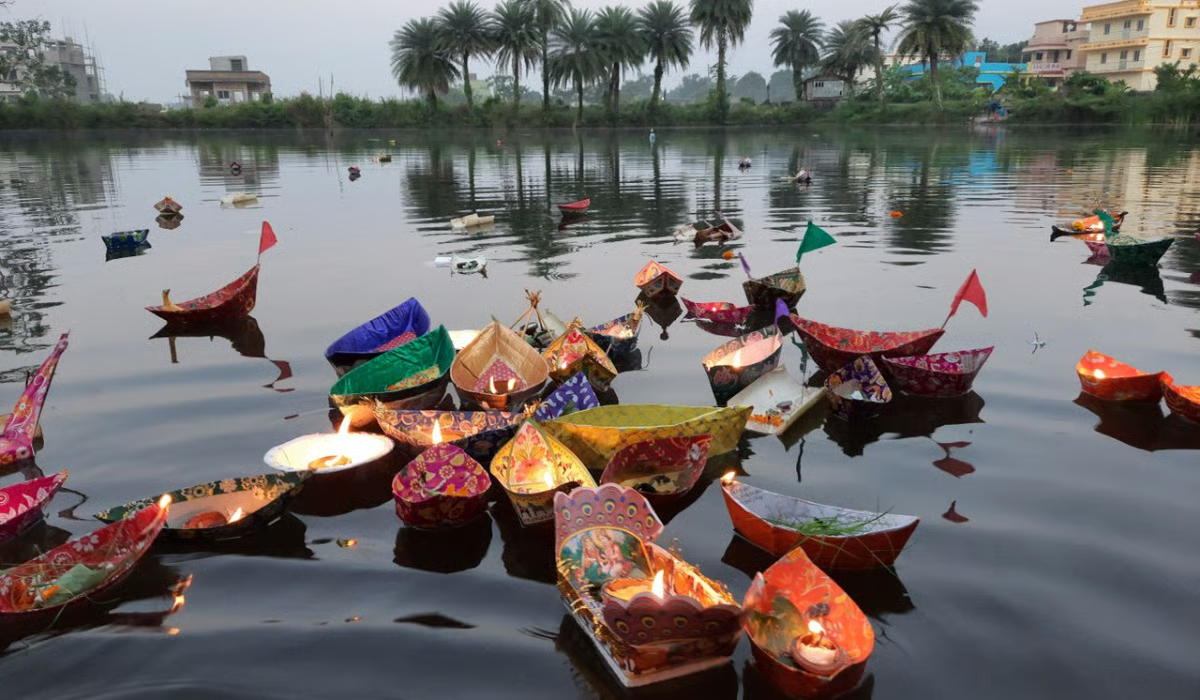
In Odisha, the Kartik Purnima festival takes a maritime turn. Celebrated as Boita Bandana, it commemorates the ancient sea voyages of Odiya traders known as Sadhabas, who sailed to distant lands like Java, Sumatra, and Bali for trade. People float miniature boats made of paper, banana peels, or cork in rivers and ponds, chanting “Aa Ka Ma Boi, Pana Gua Thoi.” The ritual honors Odisha’s glorious maritime past.
3. Pushkar Fair in Rajasthan
The Pushkar Mela, one of the world’s largest camel fairs, concludes on Kartik Purnima. Pilgrims from across the country gather at the sacred Pushkar Lake to take a holy dip and worship Lord Brahma, whose only temple in the world is situated there. The fair features folk performances, camel races, handicraft stalls, and spiritual gatherings, offering a unique blend of devotion and culture.
4. Tripurari Purnima in Maharashtra
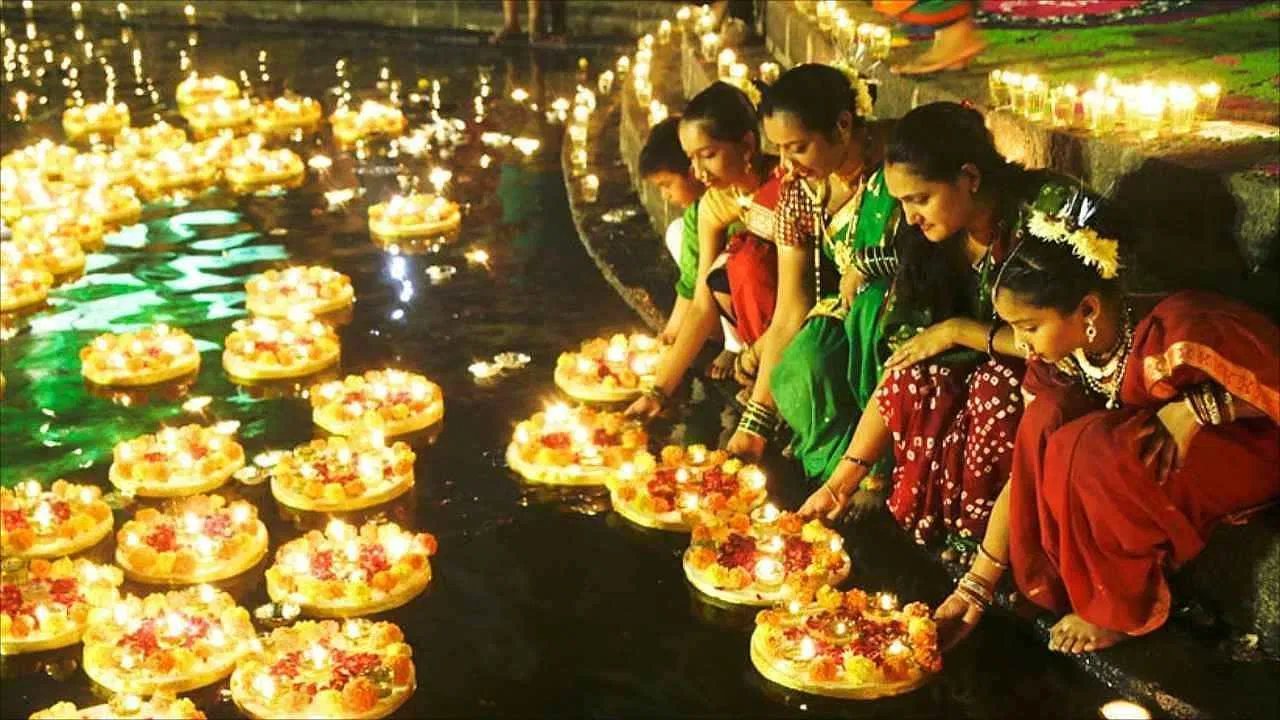
In Maharashtra, particularly in Nashik and other regions, Kartik Purnima is celebrated as Tripurari Purnima. The day marks Lord Shiva’s victory over Tripurasura. Devotees light lamps near rivers and temples and perform Tripurari Purnima Yatra. Some even organize boat races symbolizing the victory of good over evil.
5. Tirukkarthigai in Tamil Nadu
In Tamil Nadu, the Kartik Purnima festival coincides with Karthigai Deepam, an ancient Tamil festival of lights. Devotees light rows of lamps in their homes and temples, symbolizing the destruction of darkness by divine light. The grandest celebration takes place at the Arunachaleswarar Temple in Tiruvannamalai, where a massive beacon is lit atop the hill representing Lord Shiva as an eternal flame.
Kartik Purnima in Sikhism and Jainism
Interestingly, the Kartik Purnima festival is not limited to Hinduism alone. It holds sacred significance in Sikhism and Jainism as well, reflecting India’s shared spiritual traditions.
Sikhism: Guru Nanak Jayanti
For Sikhs, Kartik Purnima marks the birth anniversary of Guru Nanak Dev Ji, the founder of Sikhism. Celebrated as Guru Nanak Jayanti or Gurpurab, the day is filled with prayers, processions (Nagar Kirtan), kirtans, and community meals (langar). Gurudwaras are illuminated beautifully, and devotees remember the teachings of Guru Nanak on peace, equality, and devotion.
Jainism: Nirvana of Lord Mahavira
According to Jain tradition, Kartik Purnima marks the day when Lord Mahavira, the 24th Tirthankara, attained Nirvana at Pavapuri. Jains observe this day with fasting, prayers, and meditation, emphasizing self-control and liberation from worldly attachments.
Environmental and Symbolic Aspects
The Kartik Purnima festival beautifully blends spiritual devotion with ecological awareness. Lighting lamps near rivers not only symbolizes purity and enlightenment but also connects people with nature’s elements water, fire, air, and earth. In recent times, many communities have shifted to eco-friendly practices, using clay lamps and natural oils instead of plastic or chemical-based items.
The act of donating, feeding animals, and planting trees on this day is encouraged as a part of seva (selfless service), reminding devotees that spirituality and sustainability go hand in hand.
Modern-Day Celebrations and Cultural Impact
In today’s fast-paced world, the Kartik Purnima festival continues to hold immense relevance. Despite urbanization, people across India observe the day with devotion. Social media and digital platforms have even made the festival global, with Indian communities abroad lighting lamps, performing aarti, and sharing cultural performances online.
Temples and cultural organizations host events, recitations, and community meals. In many cities, evening processions with thousands of lamps recreate the divine aura of Dev Deepawali. For families, Kartik Purnima serves as a day to reconnect with faith, gratitude, and togetherness.
Food and Festive Offerings
Like every Indian festival, Kartik Purnima has its share of traditional delicacies. Since the day often involves fasting, people prepare simple yet delicious vegetarian dishes. Offerings to deities typically include sweets like kheer, ladoo, puri, and halwa. In Odisha’s Boita Bandana celebrations, coconut-based sweets and rice dishes are popular. In Tamil Nadu, people make appam and pori urundai as offerings during Karthigai Deepam.
Feeding the poor and distributing food (annadanam) is also a cherished practice, believed to bring blessings and peace.
Philosophical Essence of Kartik Purnima
At its core, the Kartik Purnima festival is a celebration of enlightenment the triumph of divine knowledge over ignorance. The lamp (deep) symbolizes wisdom and purity, while the act of lighting it signifies the awakening of the soul. It teaches humanity the importance of balance, humility, and compassion.
The festival also marks the transition from the rainy season to winter, signifying renewal and new beginnings. It encourages people to cleanse their minds and hearts, letting go of darkness and embracing the light within.
Conclusion: The Eternal Light of Faith
The Kartik Purnima festival is more than just a ritualistic observance; it is a profound spiritual experience that unites people through light, faith, and hope. Whether it’s the glowing ghats of Varanasi, the boat-floating ritual of Odisha, or the sacred flame of Tiruvannamalai, each tradition reflects the same message that light dispels darkness, and goodness conquers evil.
In an era often clouded by materialism and conflict, Kartik Purnima serves as a timeless reminder to nurture the divine light within ourselves and share it with the world. It’s a festival that invites every soul to bathe in purity, offer gratitude, and celebrate the eternal bond between humanity and the divine.
Frequently Asked Questions (FAQs) about Kartik Purnima Festival
1. What is the Kartik Purnima festival?
The Kartik Purnima festival is a sacred Hindu celebration that falls on the full moon day of the Kartik month. It signifies purity, devotion, and the triumph of good over evil. Devotees take holy dips, light lamps, and perform rituals to honor deities like Lord Shiva and Lord Vishnu.
2. Why is Kartik Purnima important?
Kartik Purnima is considered highly auspicious because it marks several divine events Lord Shiva’s victory over Tripurasura, Lord Vishnu’s Matsya Avatar, and the birth of Lord Kartikeya. It is also believed that performing rituals on this day brings spiritual merit and liberation (moksha).
3. How is Kartik Purnima celebrated across India?
The festival is celebrated differently across regions as Dev Deepawali in Varanasi, Boita Bandana in Odisha, Tripurari Purnima in Maharashtra, and Karthigai Deepam in Tamil Nadu. Common rituals include holy baths, lighting lamps, fasting, and offering prayers.
4. What is the connection between Kartik Purnima and Sikhism?
In Sikhism, Kartik Purnima coincides with Guru Nanak Jayanti, the birth anniversary of Guru Nanak Dev Ji, the founder of Sikhism. Sikhs celebrate this day with prayers, kirtans, processions, and community meals.
5. What foods are prepared during Kartik Purnima?
Devotees usually prepare vegetarian dishes and sweets such as kheer, puri, halwa, appam, and ladoo. Many observe fasts and offer these foods to deities before sharing them with family or distributing among the poor.
6. What is Dev Deepawali, and how is it related to Kartik Purnima?
Dev Deepawali or the “Festival of Lights of the Gods” is celebrated in Varanasi on Kartik Purnima. The ghats of the Ganga are illuminated with thousands of lamps, symbolizing the descent of divine beings to Earth.
7. What is Boita Bandana in Odisha?
Boita Bandana is a unique Kartik Purnima celebration in Odisha that honors ancient maritime traders known as Sadhabas. People float miniature boats in water bodies to remember Odisha’s seafaring heritage.