



Skill Development & Vocational Courses in India

India is undergoing a major transformation in how education and employment are viewed. With industries changing rapidly, traditional degrees alone are no longer enough. Today, employers value practical skills, hands-on training, and job-ready talent. This is where skill development and vocational education become essential.
Skill-based courses help students gain industry-specific abilities, learn modern tools, and prepare for real-world jobs faster than conventional programs. With government missions like Skill India, the demand for vocational training has never been higher. This guide explores everything about skill development in India, its importance, types of courses, government initiatives, job opportunities, and how students can choose the right path.

Why Skill Development Matters in India
- India has one of the world’s youngest populations, and a skilled workforce is crucial for the country’s economic growth.
- Academic degrees offer knowledge, but skill-based learning makes students job-ready from day one.
- Industries like IT, healthcare, manufacturing, hospitality, and retail need trained professionals who understand practical tools and processes.
- Skill development bridges the gap between education and employment, especially for students who prefer hands-on roles.
- It gives opportunities to rural youth, women, and those who cannot afford long academic programs.
Types of Skill Development & Vocational Courses
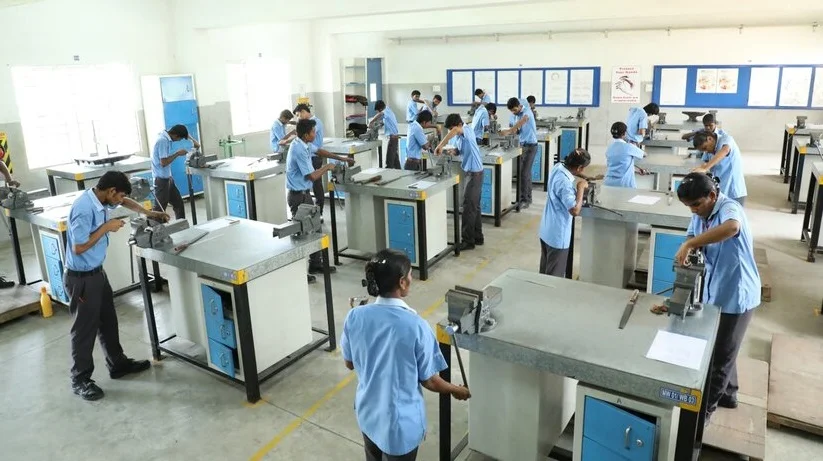
Short-Term Certification Courses
- Typically, 3 to 12 months long and focus on one specific skill.
- Ideal for students wanting quick employment or upgrading their existing abilities.
- Available in fields like computer basics, accounting, digital marketing, beauty & wellness, hospitality, and retail.
Diploma and Advanced Diploma Courses
- One to two years in duration.
- Provide deeper knowledge and practical training, especially in technical and creative fields.
- Popular among 10th and 12th-pass students aiming for stable technical careers.
Apprenticeships and On-the-Job Training
- Offer real-world experience in factories, workshops, hotels, and corporate offices.
- Students earn a stipend while learning under professionals.
- Highly valued by employers and boosts employability significantly.
Industry-Specific Skill Courses
- Designed for sectors like IT, healthcare, aviation, agriculture, fashion, and the automobile industries.
- Focus on current market demands and specific job roles such as medical technician, electrician, or graphic designer.
Popular Skill-Based Courses in India
Information Technology (IT) & Digital Skills
- Courses in programming, data entry, web development, cybersecurity, cloud computing, and AI.
- Digital skills are now essential for both corporate jobs and entrepreneurship.
Healthcare & Paramedical Courses
- Training for medical assistants, lab technicians, nursing aides, pharmacy assistants, and first-aid specialists.
- High demand in government hospitals, clinics, diagnostic centers, and home-care services.
Beauty, Wellness & Personal Care
- Courses in cosmetology, hair styling, spa therapy, and makeup artistry.
- Ideal for self-employment, salon work, or starting a beauty startup.
Automobile & Mechanical Trades
- Skills in servicing, repairing, and assembling automobiles and machinery.
- Perfect for students interested in technical and mechanical roles.
Hospitality, Travel & Tourism
- Courses in hotel management, front office operations, bartending, travel coordination, and event management.
- Growing demand due to expanding tourism and hospitality sectors.
Retail & Business Skills
- Training in sales, inventory management, customer service, and store operations.
- Popular among students who want business or communication-oriented careers.
Fashion, Animation & Creative Arts
- Courses in fashion designing, interior designing, animation, VFX, photography, and graphic design.
- Suitable for artistic and creative individuals seeking freelance or corporate opportunities.
Agriculture & Food Processing
- Practical training for modern farming, dairy technology, fisheries, and organic agriculture.
- Essential for rural youth and those aiming to modernize traditional farming.
Government Initiatives Supporting Skill Development

Skill India Mission
- Launched to train millions of Indians in industry-relevant skills.
- Focuses on making training accessible, affordable, and aligned with job market needs.
National Skill Development Corporation (NSDC)
- Offers standardized training programs and certification across hundreds of sectors.
- Partners with training centers across India for professional skill courses.
Pradhan Mantri Kaushal Vikas Yojana (PMKVY)
- Provides free training and certification to eligible candidates.
- Helps youth get placement opportunities and government-recognized certificates.
National Apprenticeship Promotion Scheme (NAPS)
- Encourages industries to offer apprenticeships.
- Students gain hands-on experience, and employers receive reimbursement for training.
Deen Dayal Upadhyaya Grameen Kaushalya Yojana (DDU-GKY)
- Focused on improving the employment opportunities of rural youth.
- Offers free residential training in high-quality vocational courses.
Benefits of Choosing Vocational and Skill-Based Courses
- Career-Ready Faster: Students gain practical skills needed for immediate employment.
- Affordable and Accessible: Shorter duration and lower cost compared to traditional degrees.
- High Employment Rate: Industries prefer skilled technicians and associates over untrained graduates.
- Flexibility in Careers: Students can switch industries, start small businesses, or work freelance.
- Suitable for All Backgrounds: Whether 10th pass or graduate, everyone can find a suitable skill course.
- Global Opportunities: Skilled workers like electricians, chefs, technicians, and paramedics are in demand worldwide.
How to Choose the Right Skill Development Course
- Assess Your Interests: Choose a course based on what you enjoy, technical, creative, or service-based roles.
- Look at Job Trends: Research industries that are growing, such as IT, healthcare, and digital marketing.
- Check Course Duration: Decide whether you want a quick certification or a long-term diploma.
- Verify Accreditation: Ensure the training center is approved by NSDC or government bodies.
- Consider Placement Support: Choose institutions with labs, workshops, and guaranteed job assistance.
- Think About Future Growth: Select courses that offer long-term career potential and skill upgrades.
Career Opportunities After Vocational Training
- Students can apply for jobs in private companies, government sectors, startups, and industries aligned with their trade.
- Many vocational courses support self-employment, such as beauty services, tailoring, graphic design, photography, or repair services.
- Skilled professionals like electricians, plumbers, computer technicians, and medical assistants enjoy consistent income and local demand.
- With experience and further training, students can climb higher career ladders or switch to advanced certifications.
The Future of Skill Development in India

- India is moving towards a skill-driven economy, where practical knowledge will play a bigger role than traditional degrees.
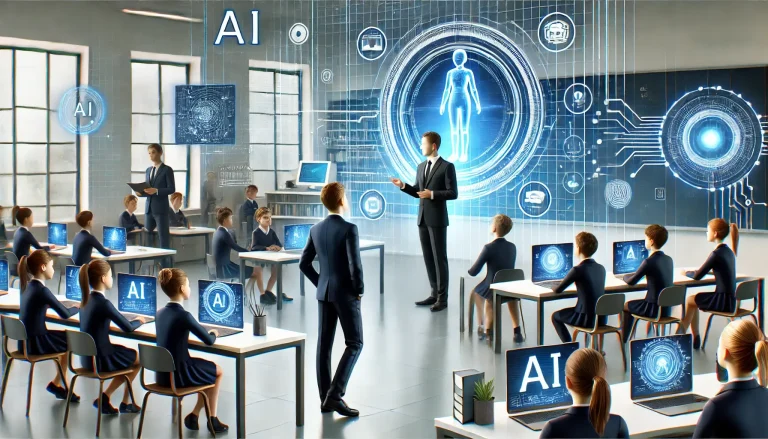
- Next-generation skills like AI, robotics, digital marketing, data analysis, and automation will open new career doors.
- Government and private sectors are investing heavily in digital training centers and virtual laboratories.
- With NEP 2020, vocational education will now start early in schools, making students job-ready from a young age.
- Skill-based careers will continue to grow as industries evolve, making vocational education essential for India’s future workforce.
Conclusion: Empowering India Through Skills
Skill development is not just a trend; it is a transformational movement shaping India’s future. Vocational courses give students the power to build meaningful careers without the pressure of long academic paths. They empower young people with independence, confidence, and a sense of purpose.
With government support, industry demand, and flexible learning options, skill development creates opportunities for every student, whether in cities or rural areas. As India continues to grow, these skills will drive innovation, employment, and economic progress. A skilled India is a stronger India, and every learner who chooses this path becomes part of a brighter, more confident nation.