Nathu La Border Trade: India and China

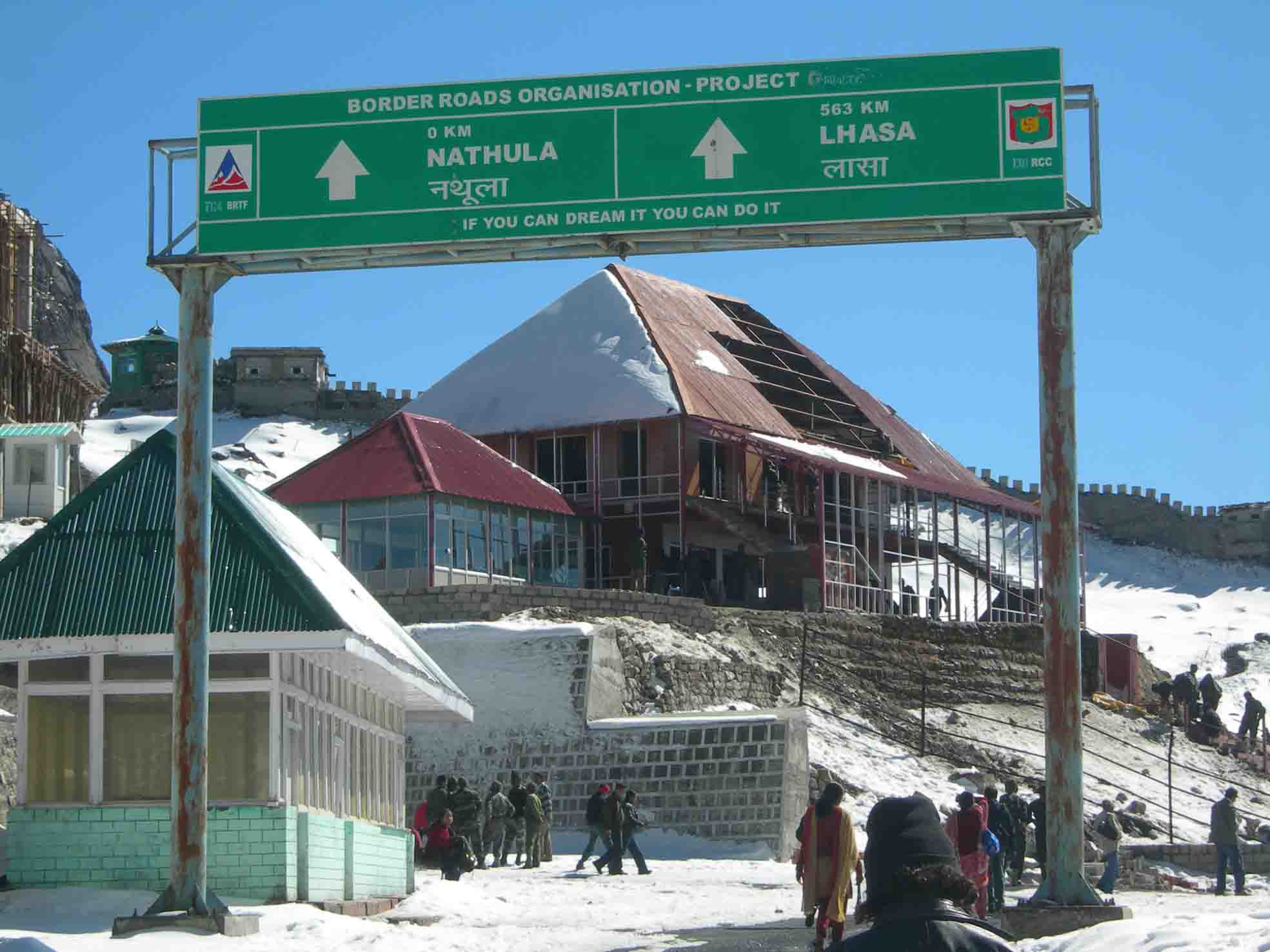
Nathu La Border Trade is set to restart on 1 August 2026, marking an important step in improving trade and connectivity between India and China. The reopening of the Nathu La Pass in East Sikkim comes after the trade route remained closed for nearly six years due to the COVID-19 pandemic and border tensions between the two neighbouring countries. The decision is expected to benefit border communities, local traders, and businesses while supporting efforts to strengthen bilateral relations through regulated cross-border trade.
Nathu La Border Trade to Reopen
The reopening of Nathu La Pass is one of the most important developments in India-China border trade in recent years. From 1 August 2026, authorised traders from both countries will once again be able to exchange goods through this historic mountain pass.

The trade route had remained suspended since 2020, mainly because of pandemic-related restrictions and security concerns along the border. After several years of closure, both countries have now agreed to restart border trade under existing bilateral arrangements.
The reopening is expected to revive economic activity in the region and provide fresh opportunities for traders living near the border.
What Is Nathu La Pass?
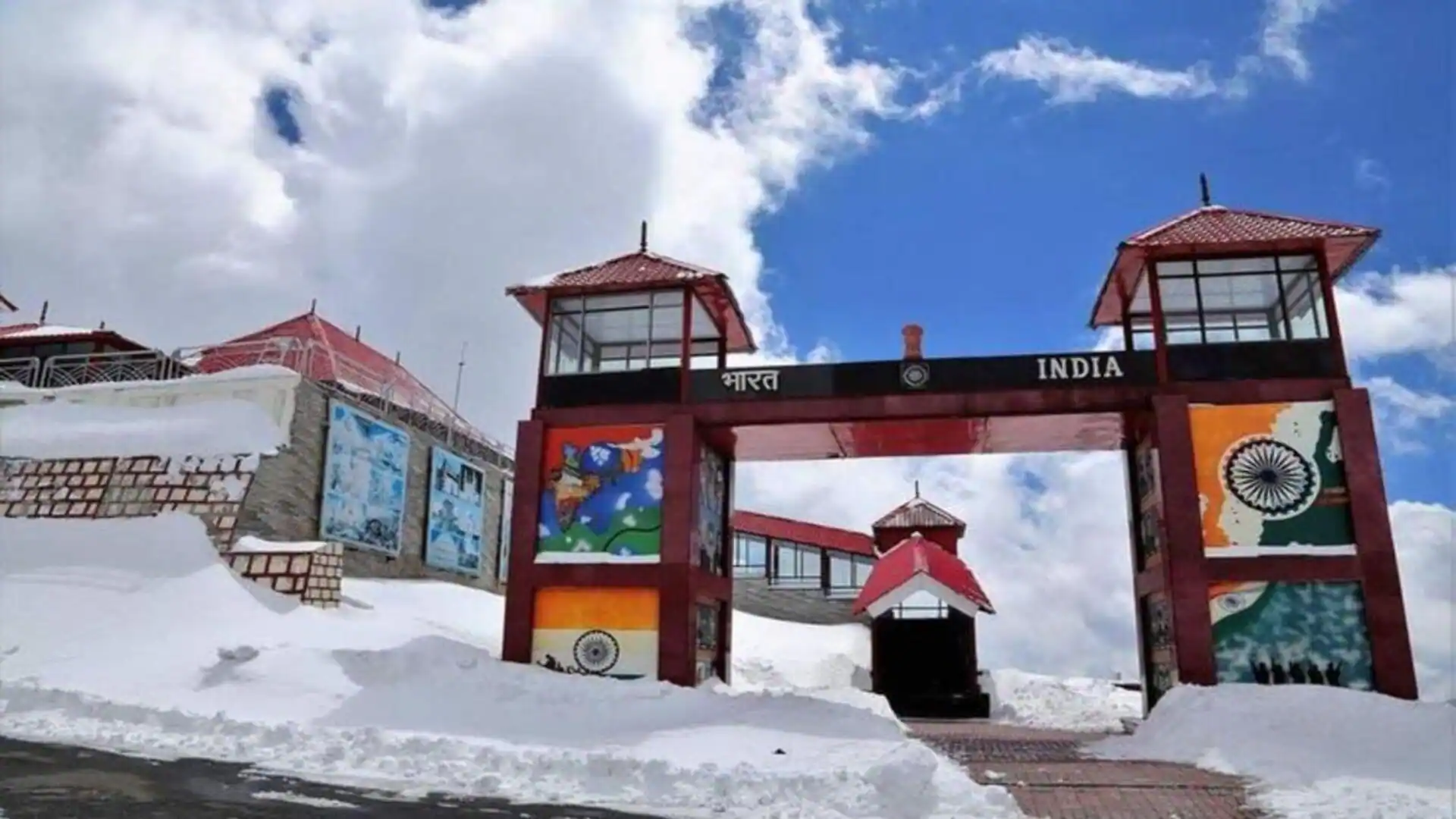
Nathu La Pass is a high-altitude mountain pass located in East Sikkim, connecting India with China’s Tibet Autonomous Region.
Situated in the eastern Himalayas, the pass has long been recognised as an important gateway for travel and trade. Historically, it formed part of the famous Silk Road, one of the world’s oldest trade networks that connected Asia with other parts of the world.
Today, Nathu La continues to hold strategic, economic, and cultural importance for both India and China.
Its location also makes it one of the most significant border crossings in the Himalayan region.
A Historic Trade Route
The history of trade through Nathu La goes back several centuries.
Merchants once transported goods such as wool, silk, spices, salt, tea, and handicrafts through this route, connecting communities across the Himalayas.
Although the pass remained closed for many years after the 1962 India-China conflict, it was officially reopened for border trade in 2006 after both countries reached an agreement to restore limited commercial exchanges.
The reopening in 2006 marked an important step in rebuilding economic cooperation between border communities.
Why Trade Was Suspended
Border trade through Nathu La was suspended in 2020 following the outbreak of the COVID-19 pandemic.
Strict health restrictions, travel limitations, and concerns about cross-border movement led to the temporary closure of trading activities.
At the same time, border tensions between India and China also affected normal operations along the Himalayan frontier.
As a result, traders, transport operators, and local businesses that depended on cross-border commerce experienced several years of disruption.
The decision to resume trade reflects improving coordination for regulated economic activities between the two countries.
Trade Takes Place for Part of the Year
Unlike regular international trade, border trade through Nathu La operates only during a specific period each year.
Under existing arrangements, trading activities are generally permitted from May to November, depending on weather conditions and official approvals.
The Himalayan region experiences heavy snowfall during winter, making transportation difficult and limiting movement through the mountain pass.
Seasonal operation helps ensure both safety and efficient trade management.
India’s Two Border Trade Routes with China
India currently has two officially designated border trade routes with China.
The first is:
- Nathu La Pass in East Sikkim
The second is:
- Lipulekh Pass in Uttarakhand
Both routes support limited cross-border trade under bilateral agreements between the two countries.
Like Nathu La, trade through Lipulekh Pass was also suspended in 2020.
These routes are mainly intended to support the economic needs of border communities rather than large-scale commercial trade.
Recent Diplomatic Discussions
The decision to restart border trade comes shortly after important diplomatic discussions between India and China.
On 27 July 2026, Foreign Secretary Vikram Misri visited China and met Vice Minister Sun Haiyan.
During the meeting, both sides discussed bilateral relations and several priority issues affecting cooperation between the two countries.
While trade through Nathu La is managed separately from wider commercial trade, continued diplomatic dialogue plays an important role in maintaining communication and supporting practical cooperation in areas of mutual interest.
Improving Connectivity in Sikkim
Alongside the reopening of border trade, India has been investing in transport infrastructure to improve connectivity in Sikkim.
One of the major projects nearing completion is the 45-kilometre Sivok-Rangpo railway line.
The railway project is expected to improve travel, transport, and logistics in the region while supporting economic development.
There are also plans to extend the railway further towards Nathu La Pass in the future.
Better road and rail connectivity can improve access for local residents, strengthen tourism, and make the movement of goods more efficient.
Importance of Border Trade
Border trade differs from regular international trade because it is carried out through specially designated border points under agreed rules between neighbouring countries.
The system primarily benefits:
- Local traders
- Border communities
- Small businesses
- Transport operators
- Regional markets
Such trade also helps preserve long-standing cultural and economic ties between communities living near international borders.
Although the volume of goods traded through Nathu La is relatively limited compared to overall India-China trade, it remains important for the local economy and regional cooperation.
A Positive Step for Regional Cooperation
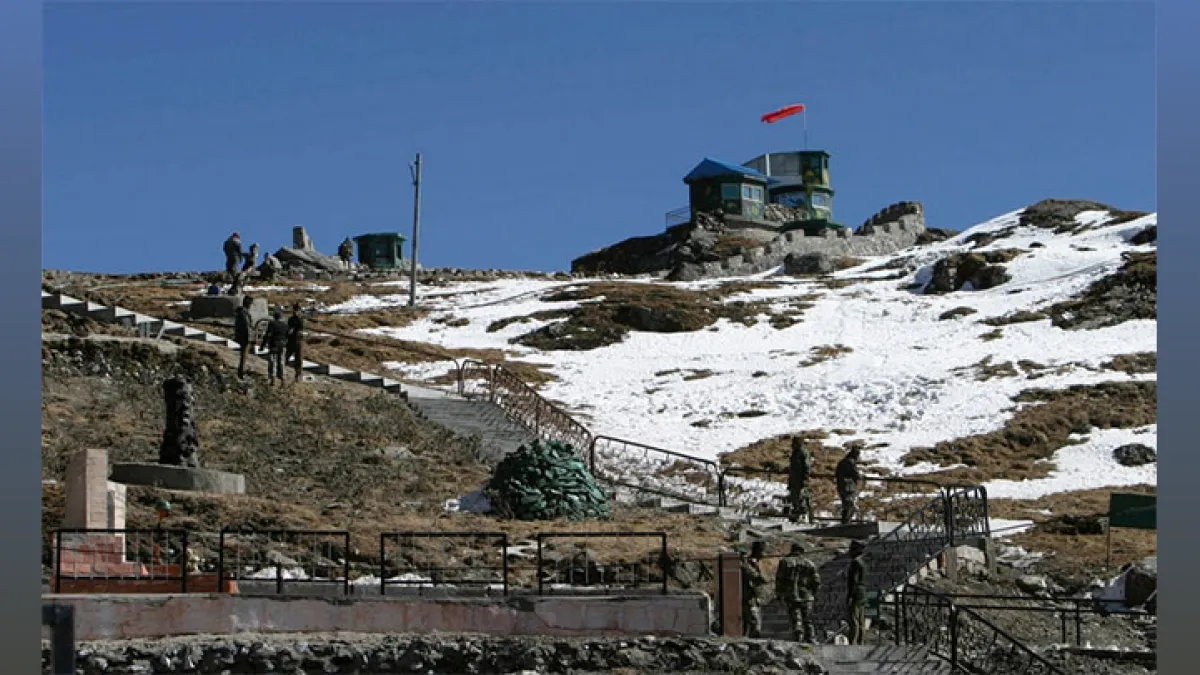
The reopening of Nathu La Border Trade represents an important development for both India and China after several years of suspension. Restoring this historic Himalayan trade route is expected to support local livelihoods, improve economic activity in border regions, and strengthen connectivity in Sikkim. Combined with ongoing infrastructure projects such as the Sivok-Rangpo railway and continued diplomatic engagement between the two countries, the resumption of trade reflects efforts to promote practical cooperation while preserving one of the region’s oldest and most significant trade corridors.