Election Commission Enforces Strict Guidelines for AI-Generated Political Content Disclosure to Safeguard Elections

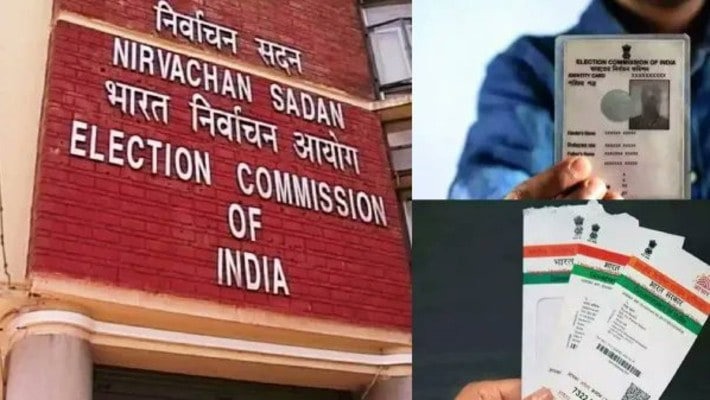
With growing concerns over the manipulation of digital media, the Election Commission of India (EC) has taken a decisive step to ensure transparency in election campaigns. The EC has issued new guidelines mandating all political parties and candidates to declare any artificial intelligence (AI)-generated or synthetic content used in their campaigns. The move, which comes ahead of the Bihar Assembly elections, underscores the Commission’s commitment to protecting electoral integrity from the dangers of misinformation and deepfakes.
Thank you for reading this post, don't forget to subscribe!AI-Generated Political Content Disclosure and the Threat to Electoral Integrity
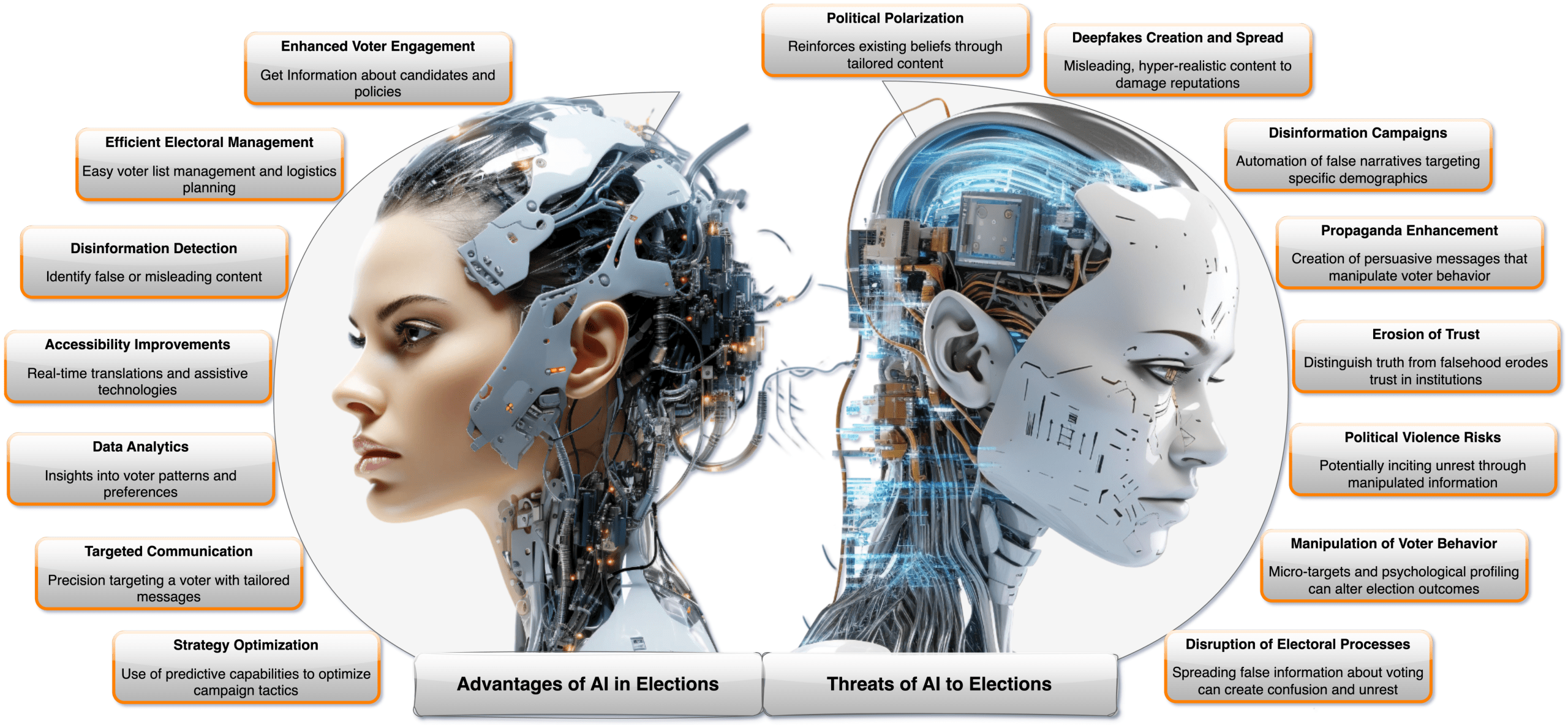
In recent years, artificial intelligence has transformed political communication, allowing campaigners to create persuasive content at unprecedented speed and scale. However, the same technology has also enabled deepfakes hyper-realistic but fabricated videos and audio clips that can easily deceive the public. Recognizing this threat, the Election Commission flagged AI misuse as a “deep challenge” to free and fair elections.
Instances of political figures being depicted in manipulated videos or false statements being circulated as authentic have become increasingly common. The EC warned that such practices distort public perception, erode trust in institutions, and can significantly influence voter decisions based on fabricated information. By mandating disclosure, the EC aims to strike a balance between innovation and accountability in the digital sphere.
Mandatory Labelling Rules Under AI-Generated Political Content Disclosure
One of the most significant components of the new directive is the labelling requirement. All political content that has been created or modified using AI must now carry a clear and visible tag such as “AI-Generated”, “Digitally Enhanced”, or “Synthetic Content.”
To ensure maximum visibility and public awareness, the EC has set precise standards for these labels:
- The tag must occupy at least 10% of the visible screen area in any image or video.
- For audio content, the label should be mentioned audibly during the first 10% of the duration.
- For videos, the tag must appear prominently on the top band of the screen throughout the initial phase.
This measure ensures that viewers can immediately identify whether they are engaging with authentic footage or AI-generated material.
Record-Keeping and Compliance Under AI-Generated Political Content Disclosure
The guidelines go beyond mere labelling. Political parties and candidates are now required to maintain detailed records of all AI-generated materials used during their campaigns. These records must include:
- Information about the creator or source of the content.
- Timestamps and metadata indicating when and how the material was produced.
- Details of platforms and accounts where the content has been shared.
In case any misleading or harmful synthetic content is detected on official social media handles, the concerned political entity must remove it within three hours of detection or being reported. This rapid response protocol is aimed at minimizing the damage caused by misinformation before it can spread widely.
Non-compliance could invite strict action under the Information Technology (Intermediary Guidelines and Digital Media Ethics Code) Rules, 2021, which govern digital content accountability in India.
Legal Authority and Electoral Context of AI-Generated Political Content Disclosure
The Election Commission’s directive has been issued under Article 324 of the Indian Constitution, which empowers the EC to ensure the conduct of free and fair elections across the country. This provision gives the Commission broad authority to regulate campaign practices, especially in emerging domains like digital and AI-driven media.
The timing of this move is also significant. The Bihar Assembly Elections, scheduled for November 6 and 11, 2025, with results to be declared on November 14, are expected to witness extensive digital campaigning. By implementing these disclosure norms ahead of the polls, the EC aims to establish clear boundaries and expectations for responsible digital behavior among political actors.
Emphasis on Transparency and Accountability
The Election Commission has repeatedly emphasized that transparency is the cornerstone of democracy. As AI tools become more sophisticated, their unchecked use in political communication could undermine the essence of informed voting. Through this directive, the EC is sending a strong message that technology should enhance democracy, not manipulate it.
Political entities have been urged to act with ethical responsibility, ensuring that any AI content used is both factually accurate and clearly disclosed. The EC has also encouraged voters and media platforms to remain vigilant, report manipulated media promptly, and support initiatives that verify the authenticity of digital content.
A Broader Step Toward Ethical AI Use
The new disclosure policy aligns India with global efforts to regulate AI-generated political communication. Several countries are currently drafting or implementing laws to counter deepfakes and synthetic misinformation. The EC’s move thus positions India as a proactive democracy addressing the technological challenges of the 21st century.
Experts have lauded the decision as a forward-looking measure that will not only deter misuse but also encourage political campaigns to adopt AI responsibly. As digital campaigning becomes a permanent fixture in Indian elections, such frameworks will play a crucial role in preserving public trust.
Conclusion
The Election Commission’s directive on AI-Generated Political Content Disclosure marks a significant milestone in India’s journey toward transparent and responsible digital governance. By mandating clear labelling, record-keeping, and swift removal of manipulated content, the EC has demonstrated its resolve to protect the sanctity of elections.
As India heads into a new electoral era powered by technology, this initiative serves as a reminder that innovation must always be guided by integrity. The disclosure mandate is not just a regulatory step it’s a reaffirmation of the democratic principle that truth and transparency form the foundation of public choice.