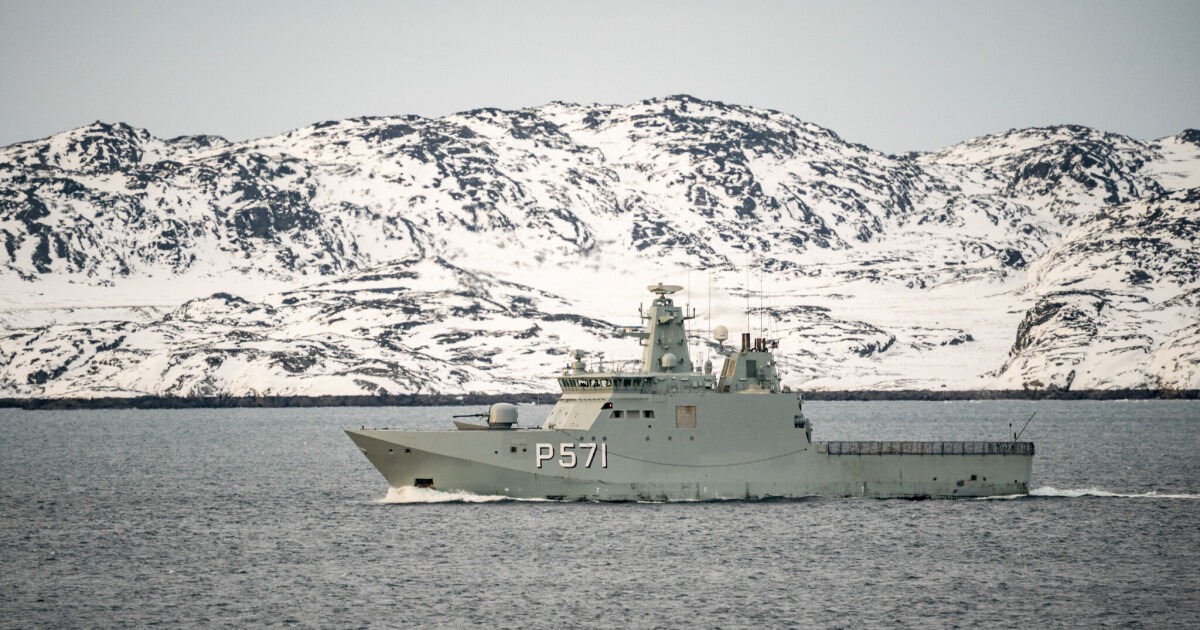
Arctic Sentry: NATO Boosts High North Security

Arctic Sentry is a new coordination plan launched by NATO to improve security across the Arctic region. The initiative comes at a sensitive time, following tensions linked to remarks about Greenland by former U.S. President Donald Trump. Rather than creating a new army unit, Arctic Sentry connects existing military exercises under one shared structure to improve cooperation among allies operating in the far north.
Thank you for reading this post, don't forget to subscribe!The Arctic has become a major global hotspot. Melting ice is opening new sea routes, while large reserves of oil, gas, and minerals are drawing attention from powerful countries. NATO wants to show unity and readiness without escalating tensions by placing permanent troops in the region.
A Coordinated Framework, Not a New Force
Arctic Sentry is designed as a coordination umbrella. It links national exercises already conducted by member states instead of building a brand-new military force. This approach allows countries to train together more efficiently while avoiding the political complications of permanent deployments.
Major drills such as Norway’s Cold Response and Denmark’s Arctic exercises will now operate under a shared NATO framework. The program is overseen by NATO’s Joint Force Command in Norfolk, Virginia, which manages many of the alliance’s global operations.
The main goals include:
- Improving communication between allied forces
- Ensuring equipment and tactics work together smoothly
- Increasing awareness of Arctic conditions
- Demonstrating unity and preparedness
Operating in the Arctic is extremely difficult. Temperatures can drop far below freezing, storms are unpredictable, and infrastructure is limited. Coordinated training helps troops adapt to these harsh realities while ensuring that different countries’ forces can operate as one if needed.
Strategic Importance of the Arctic
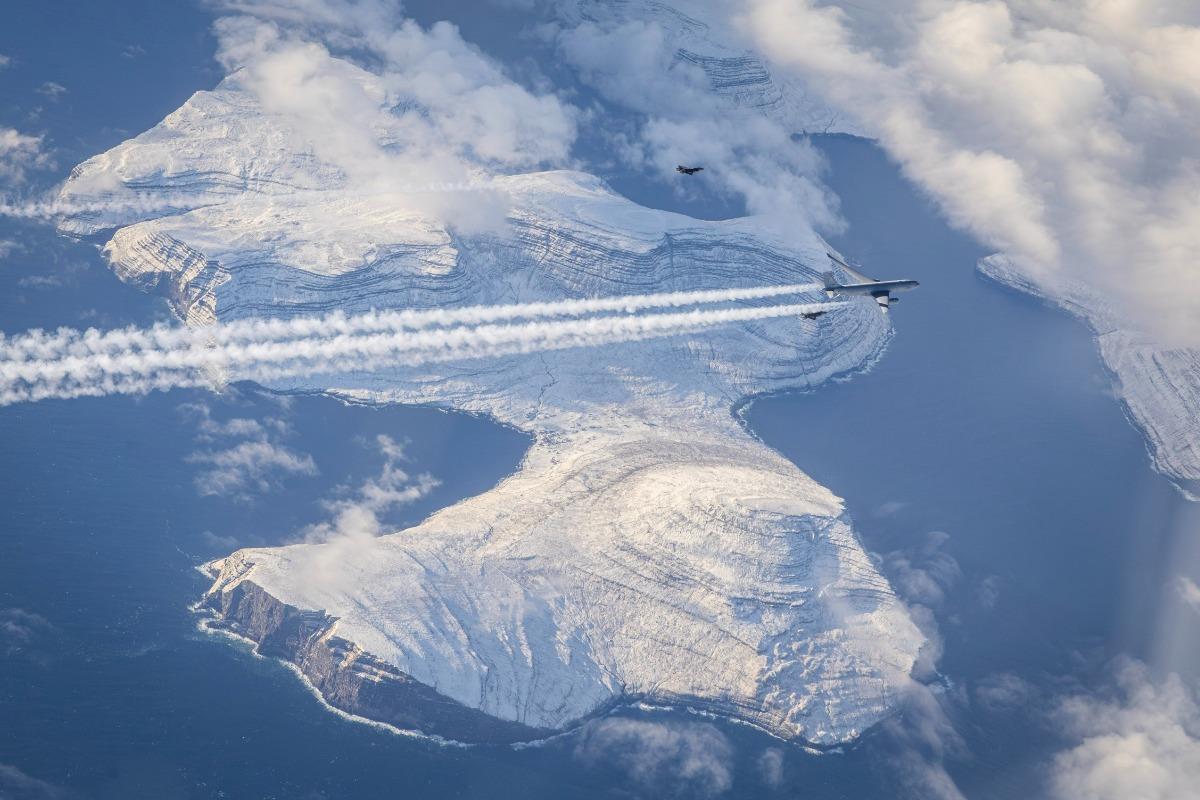
The Arctic is no longer a remote, frozen wilderness ignored by world powers. Climate change is transforming the region. As sea ice retreats, shipping routes that were once blocked are becoming usable for longer periods each year. These routes could significantly shorten travel between Europe and Asia, saving time and fuel.
Seven NATO members have territory inside the Arctic Circle, making the region vital for collective defense. Countries like Norway and Denmark already maintain strong Arctic capabilities due to their geography.
Meanwhile, entityRussia has heavily militarized its northern coastline. It operates air bases, radar stations, and naval facilities across the region. These installations allow Russia to monitor activity and project power across Arctic waters.
China, though not geographically Arctic, has declared itself a “near-Arctic state.” It has expanded scientific missions, infrastructure investments, and shipping interests in the region. Western leaders increasingly view China’s involvement as part of a broader global strategy.
Arctic Sentry signals that NATO intends to remain active and coordinated as competition intensifies.
Greenland Dispute and Alliance Unity
The launch of Arctic Sentry follows diplomatic strain triggered by U.S. statements regarding Greenland, an autonomous territory within the Danish kingdom. The episode unsettled European allies and raised concerns about cohesion inside the 32-member alliance.
Greenland holds enormous strategic value. Its location between North America and Europe makes it ideal for monitoring air and sea routes. It also hosts key military facilities and has vast untapped natural resources beneath its ice.
By introducing Arctic Sentry, NATO leaders aim to shift attention back to shared security priorities. The initiative emphasizes cooperation rather than disagreement, reassuring members that collective defense remains the alliance’s central mission.
European capitals have strongly supported this approach, especially as NATO continues backing Ukraine and reinforcing defenses along its eastern borders.
Growing Military Activity in the Region
Several NATO countries are increasing their Arctic presence as part of the new framework.
The United Kingdom has announced plans to double troop deployments to Norway over the next three years, raising numbers from about 1,000 to 2,000 personnel. British forces regularly train in cold-weather warfare, focusing on mobility, survival, and rapid response.
Exercise Lion Protector, scheduled for September, will involve multinational participation and is expected to test joint operations under extreme conditions.
France and Germany have also indicated they will take part in Arctic activities, though exact troop numbers have not been disclosed. Their involvement highlights growing concern across Europe about security in the High North.
Balancing Deterrence and Stability
NATO officials emphasize that Arctic Sentry is defensive. It aims to deter aggression while avoiding unnecessary escalation. Permanent bases or large standing forces could provoke tensions, so coordination of existing exercises is seen as a measured approach.
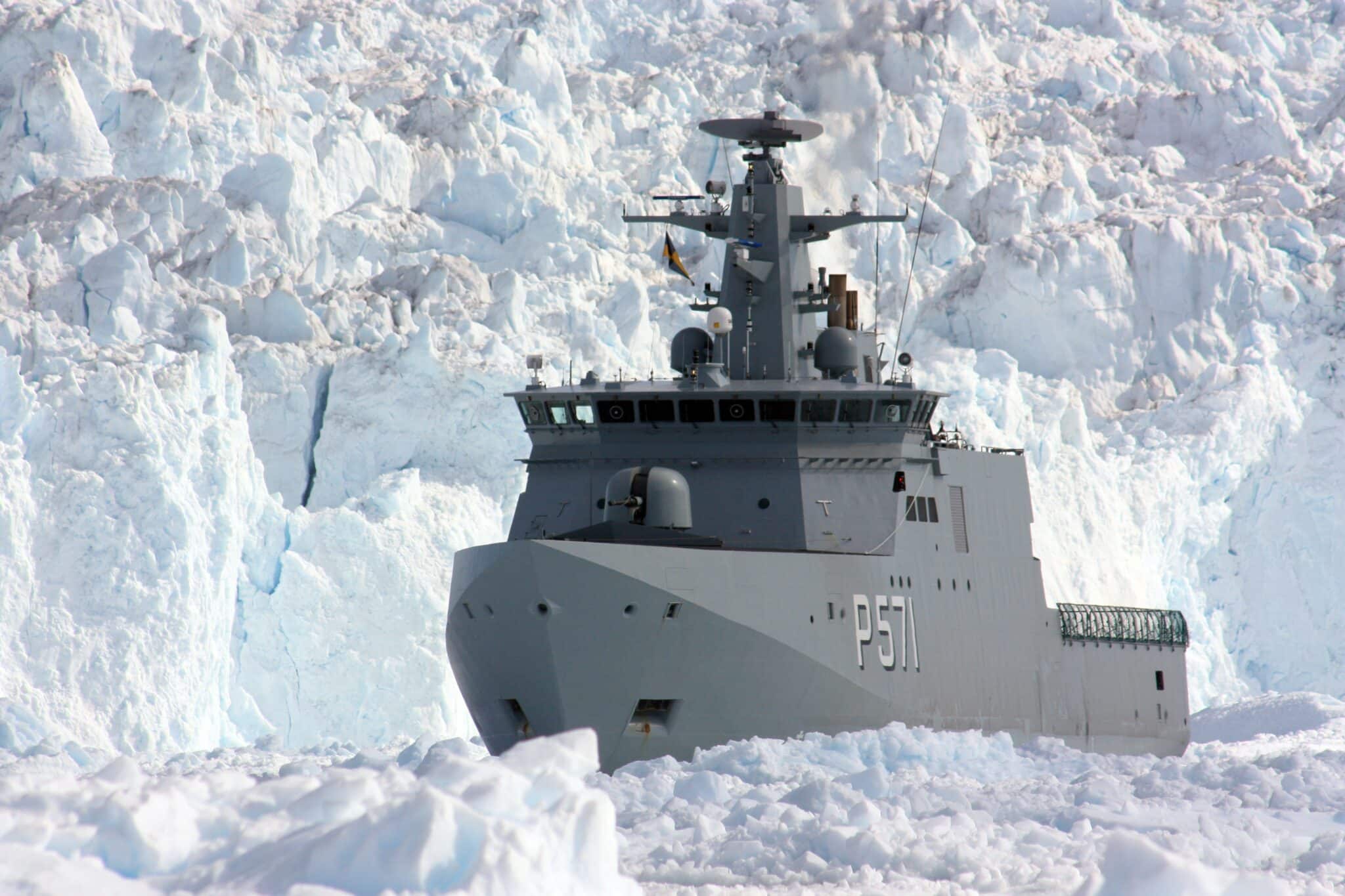
The Arctic’s harsh environment also makes long-term deployments expensive and logistically complex. Rotational training allows forces to maintain readiness without committing to constant presence.
At the same time, the initiative sends a clear message that NATO members are prepared to defend their territories and interests. Visibility of joint exercises demonstrates capability and unity, which can discourage potential adversaries.
Economic and Environmental Stakes
Beyond military considerations, the Arctic holds major economic promise. The region contains large deposits of hydrocarbons, rare earth minerals, and fisheries. Control over these resources could shape future global markets.
New shipping lanes such as the Northern Sea Route could transform international trade patterns. Companies are watching closely as seasonal access improves.
However, environmental concerns remain significant. The Arctic ecosystem is fragile, and increased activity raises risks of pollution, accidents, and habitat disruption. Indigenous communities also face cultural and economic challenges as development accelerates.
Governments must balance security, economic opportunity, and environmental protection a complex task that adds another layer to Arctic geopolitics.
A Long-Term Strategic Signal
Arctic Sentry reflects a broader shift in global security thinking. Regions once considered peripheral are becoming central to great-power competition. As climate change reshapes geography, new strategic frontiers are emerging.
For NATO, the High North represents both vulnerability and opportunity. Protecting member territories, maintaining open sea lanes, and managing competition with Russia and China are all part of the equation.
Officials say the framework could expand in the future depending on security assessments. For now, it provides a structured way to coordinate activities while maintaining flexibility.
Arctic Sentry shows that the alliance intends to remain engaged, cooperative, and prepared in one of the world’s fastest-changing regions without turning the Arctic into a heavily militarized zone.