Maharashtra Civic Poll Ink Issue Sparks Debate Over Voting Integrity

Maharashtra Civic Poll Ink Issue has become a hot topic after recent municipal corporation elections in the state. The purple mark on a voter’s finger, commonly known as indelible ink, has been questioned for its effectiveness. Opposition parties have claimed that the ink is coming off too easily, raising fears of possible misuse and multiple voting. The controversy has drawn attention to how election safeguards are applied in local polls.
Thank you for reading this post, don't forget to subscribe!What Is Indelible Ink and Why It Matters
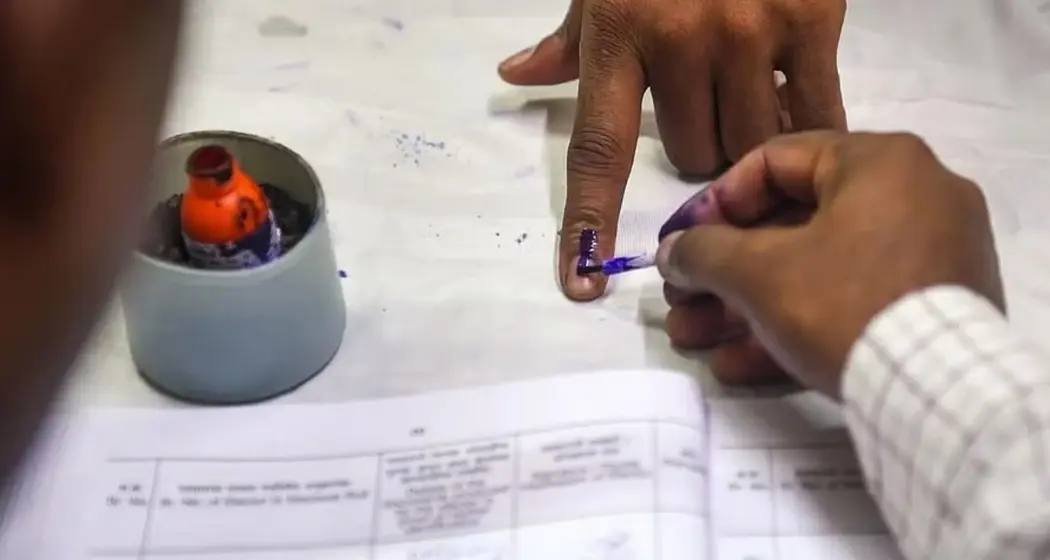
Indelible ink is a special dye applied to a voter’s finger after casting a vote. Its main purpose is simple: to show that a person has already voted and prevent them from voting again. The mark is supposed to remain visible for several days and cannot be removed through ordinary washing. This makes it a basic but important tool to maintain election integrity.
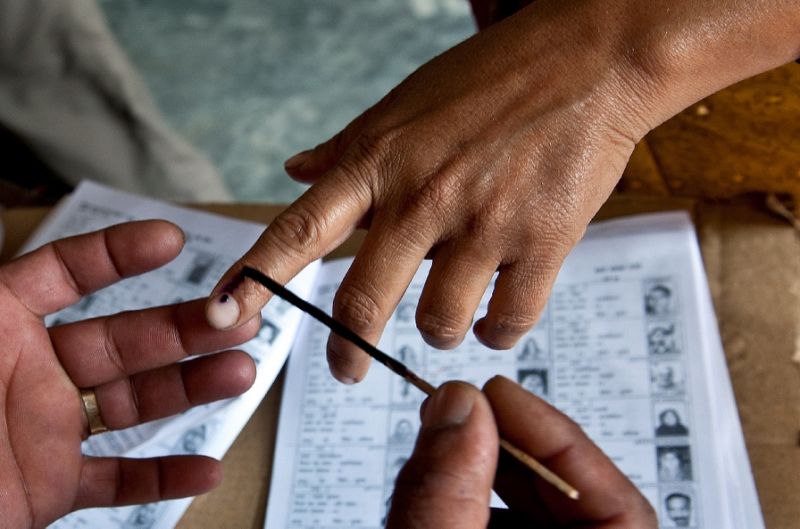
The mark usually appears on the left index finger, covering the nail and cuticle. Officials may apply it using a small brush or a marker pen. It is only applied after the voter has completed the voting process. In this way, indelible ink acts as a visual proof that a vote has been cast, deterring impersonation and multiple voting.
The History of Indelible Ink in India
India first introduced indelible ink in the 1962 general elections. The Election Commission of India wanted a way to prevent electoral fraud and ensure that people could not vote more than once. The idea was inspired by practices in other countries but adapted to India’s large and diverse electorate.
The ink contains silver nitrate, a chemical that reacts with the skin and exposure to sunlight to create a lasting dark stain. A colored dye is added so that the mark is visible immediately after voting. Over time, as the outer layer of skin naturally sheds, the stain gradually fades.
How Indelible Ink Is Made and Applied
The formula for India’s indelible ink was developed in the 1950s by the National Physical Laboratory of India. It is manufactured only by Mysore Paints and Varnish Ltd, a Karnataka government undertaking, under the supervision of the Election Commission and the Union Ministry of Law and Justice.
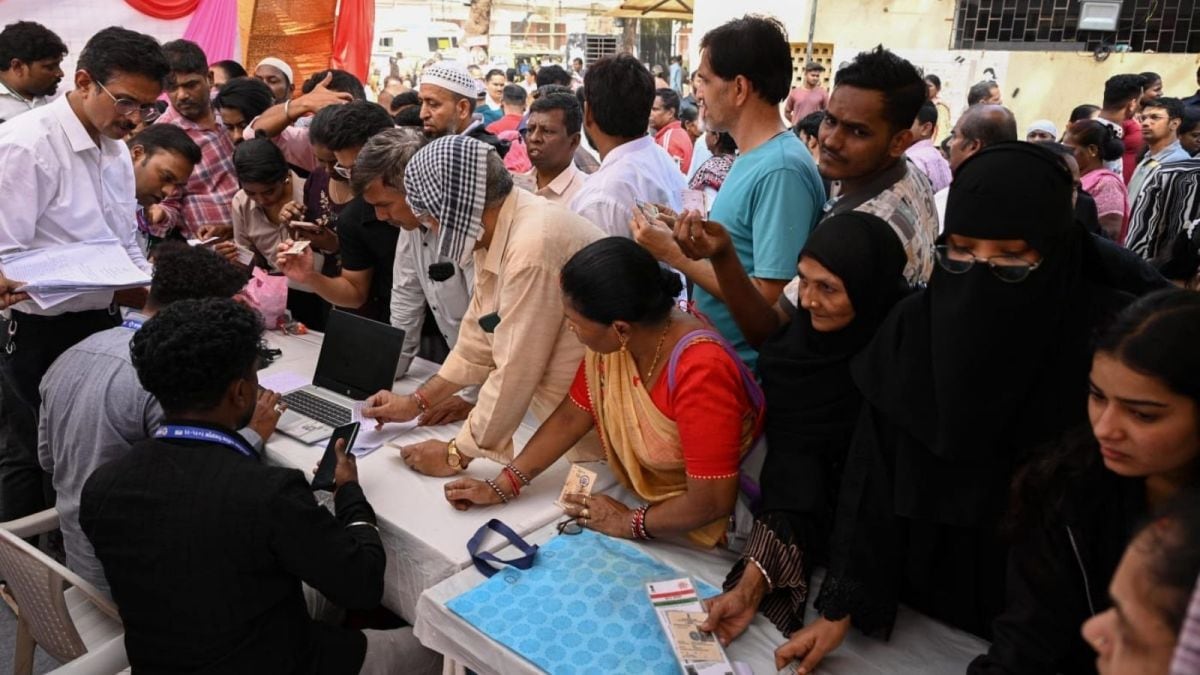
During elections, officials are trained to apply the ink carefully to the left index finger of each voter. In local body elections, marker pens have been allowed since 2011. The ink is expected to last for days, providing a reliable way to identify voters who have already cast their votes.
Why Maharashtra Civic Poll Ink Issue Has Caused Concern
During the Maharashtra municipal elections, videos circulated on social media showing ink marks allegedly being removed using sanitizer or nail polish remover. These videos caused a political stir. Maharashtra Navnirman Sena chief Raj Thackeray accused election authorities of diluting safeguards, claiming that the ink’s failure could allow repeated voting.
In response, state election officials, including State Election Commissioner Dinesh Waghmare, emphasized that multiple verification steps are in place to prevent repeat voting. They also clarified that marker pens are allowed under current rules and do not compromise the integrity of the election.
Understanding the Debate
The controversy highlights the balance between technology, human error, and election integrity. While indelible ink has been a trusted safeguard for decades, its effectiveness can vary depending on application methods and voter behavior. Critics argue that visible marks fading too soon could reduce public confidence in elections, while officials maintain that the system as a whole is robust.
Social media played a role in amplifying the debate. Short video clips and images of allegedly removable ink created doubts about voting safety. Political parties used these incidents to raise questions about the conduct of the elections. At the same time, election authorities stressed that the overall electoral process includes multiple layers of verification, including voter lists, identity checks, and electronic voting records.
Importance of Indelible Ink Beyond Maharashtra
The Maharashtra incident is not the first time India has seen questions raised about indelible ink. Across the country, the purple mark has become a symbol of fair and free elections. While new technologies like electronic voting machines have reduced some risks, the ink continues to serve as a visible reassurance to voters.
Experts say that proper training for polling staff and correct application techniques are essential. Inaccurate marking or improper handling of marker pens can create short-term problems, but the overall system remains strong if implemented correctly.
Key Facts About Indelible Ink
- Indelible ink has been used in Indian elections since 1962.
- Silver nitrate is the key chemical that makes the mark lasting.
- The ink is manufactured only by Mysore Paints and Varnish Ltd.
- Marks on the nail can last up to four weeks under normal conditions.
- Marker pens have been allowed for local elections since 2011.
The Maharashtra civic poll ink issue has sparked discussions on how to strengthen safeguards for voters. While some see this as a minor problem, it has wider implications for public trust in democratic processes. Election officials continue to defend the existing methods while considering improvements to ensure that every vote is counted fairly.