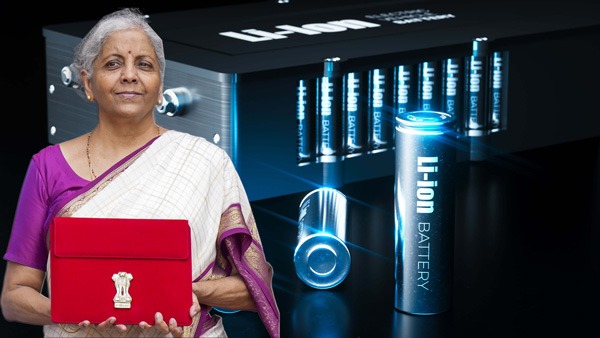
Battery Manufacturing Incentives Drive India’s Clean Energy Push in Union Budget 2026

Battery Manufacturing Incentives have emerged as a major highlight of India’s Union Budget 2026, as Finance Minister Nirmala Sitharaman announced targeted tax and duty exemptions to strengthen clean energy manufacturing, promote domestic industry, and support regional development. The new measures aim to lower input costs for advanced batteries, renewable energy components, and cleaner fuels, while encouraging investment into strategic sectors.
Thank you for reading this post, don't forget to subscribe!These announcements reflect the government’s broader vision of building strong local supply chains, reducing dependence on imports, and accelerating the transition toward a low-carbon economy.
Boost for Lithium-Ion Cell Manufacturing
One of the most important steps announced is the extension of basic customs duty exemption on capital goods used for manufacturing lithium-ion cells for battery storage. This decision directly benefits companies producing battery cells in India.
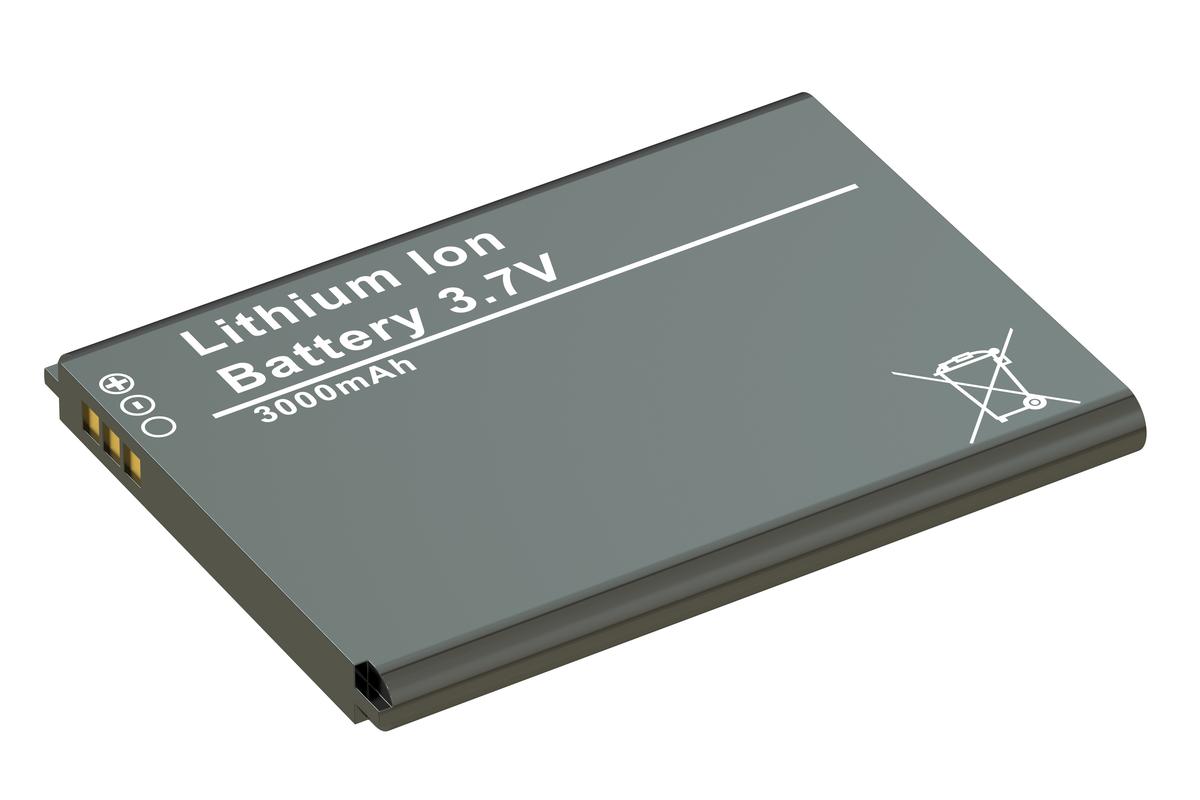
Lithium-ion batteries are essential for electric vehicles, renewable energy storage, and many electronic devices. However, setting up battery manufacturing plants requires advanced machinery, much of which is imported. Removing customs duty on this equipment lowers the initial cost of investment and makes Indian projects more financially attractive.
This move is expected to increase domestic production capacity, encourage new investments, and support India’s goal of becoming a global hub for battery manufacturing.
Supporting Electric Mobility Growth
Battery Manufacturing Incentives are closely linked to India’s electric mobility goals. The government is pushing for rapid adoption of electric two-wheelers, cars, buses, and commercial vehicles.
Batteries account for a large portion of an electric vehicle’s cost. When batteries are manufactured locally at scale, costs come down. This can make electric vehicles more affordable for consumers and speed up adoption across the country.
Stronger domestic battery supply also reduces risks related to global shortages and price volatility, creating a more stable ecosystem for the EV industry.
Relief for Solar Glass Manufacturing
The Budget proposes a basic customs duty exemption on the import of sodium antimony used in the manufacture of solar glass. Solar glass is a key component in solar panels, and its quality directly affects panel efficiency and lifespan.
By reducing the cost of this input material, the government aims to strengthen domestic solar glass production and lower the overall cost of solar power projects. This step supports India’s ambitious renewable energy targets and the expansion of solar manufacturing capacity.
Encouraging Processing of Critical Minerals
Another important announcement is the customs duty exemption on capital goods needed for processing critical minerals within India. Minerals such as lithium, cobalt, nickel, and rare earth elements are essential for batteries and clean energy technologies.
Currently, much of the processing of these minerals happens outside India. Encouraging domestic processing helps reduce dependence on foreign suppliers and builds a more secure supply chain. It also opens up new industrial opportunities and job creation in mineral-rich regions.
Incentive for Biogas-Blended CNG
The Budget introduces relief for biogas-blended compressed natural gas by excluding the value of biogas while calculating central excise duty. This makes biogas blending more economical for producers.
Biogas is made from organic waste like crop residues, animal waste, and food waste. Using biogas in transport fuel reduces emissions and supports waste-to-energy programs. The tax relief is expected to encourage wider use of biogas-blended CNG in public transport and commercial vehicles.
This measure also supports farmers and rural entrepreneurs who supply raw material to biogas plants.
Industrial Corridors and Infrastructure Support
The Budget outlines plans to develop an integrated East Coast Industrial Corridor with a well-connected node at Durgapur. Industrial corridors provide strong infrastructure, logistics, and utilities needed for large manufacturing units.
Such corridors can support battery factories, renewable energy equipment plants, and other advanced industries. Better infrastructure reduces operational costs and improves ease of doing business.
Push for Electric Buses
The government has also announced the deployment of 4,000 electric buses. This will help reduce air pollution in cities and strengthen public transport systems.
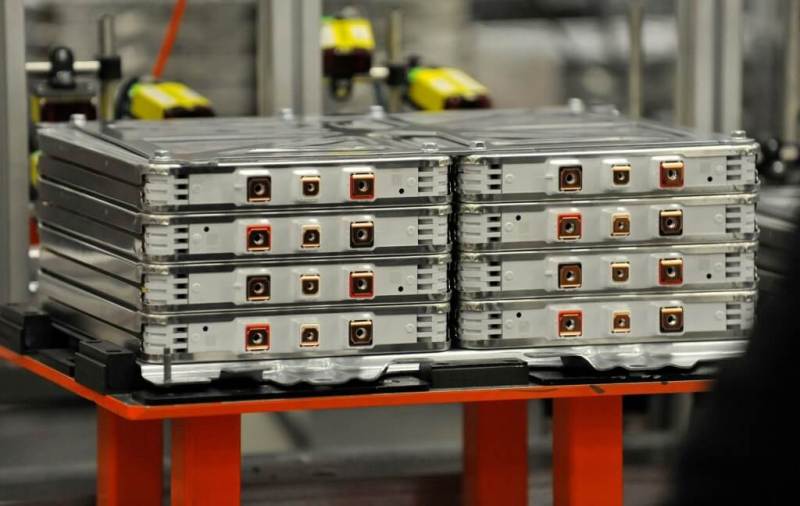
Large electric bus fleets require high-capacity batteries, creating steady demand for domestically manufactured cells. This supports the objectives of Battery Manufacturing Incentives and strengthens the overall clean mobility ecosystem.
Building a Self-Reliant Clean Energy Economy
Through a mix of tax relief, infrastructure development, and clean transport initiatives, the Union Budget 2026 lays a strong foundation for India’s clean energy future. Battery Manufacturing Incentives, combined with support for solar components, critical minerals, and biogas fuels, highlight a clear policy direction.
These measures can help India move toward energy self-reliance, reduce carbon emissions, and create a strong domestic manufacturing base that competes globally.