
Bela Tarr Dies at 70: European Cinema Loses a Visionary

Renowned Hungarian filmmaker Bela Tarr dies at 70, leaving behind a legacy that transformed modern cinema. His passing was confirmed by the European Film Academy, where Tarr had been a member since 1997. Known for his uncompromising artistic vision, Tarr’s death marks a profound loss to the world of film. Over decades, he created a distinctive cinematic language that continues to inspire filmmakers and audiences alike.
Thank you for reading this post, don't forget to subscribe!Bela Tarr Dies at 70: A Pioneer of Slow Cinema
Bela Tarr was widely regarded as a pioneer of slow cinema, a movement that challenges traditional narrative and pacing. Unlike mainstream films, his work avoided rapid cuts and dramatic plot twists. Instead, Tarr’s movies often featured long, uninterrupted takes, minimal dialogue, and stark black-and-white visuals. This approach allowed viewers to fully immerse themselves in the rhythm of everyday life.
Tarr’s films frequently explored bleak and difficult themes, portraying human despair, social decay, and moral collapse. Set against the backdrop of post-socialist Eastern Europe, his stories offered a meditative view of life’s hardships. While his style demanded patience and attention, it earned him immense respect from critics and cinephiles around the world.
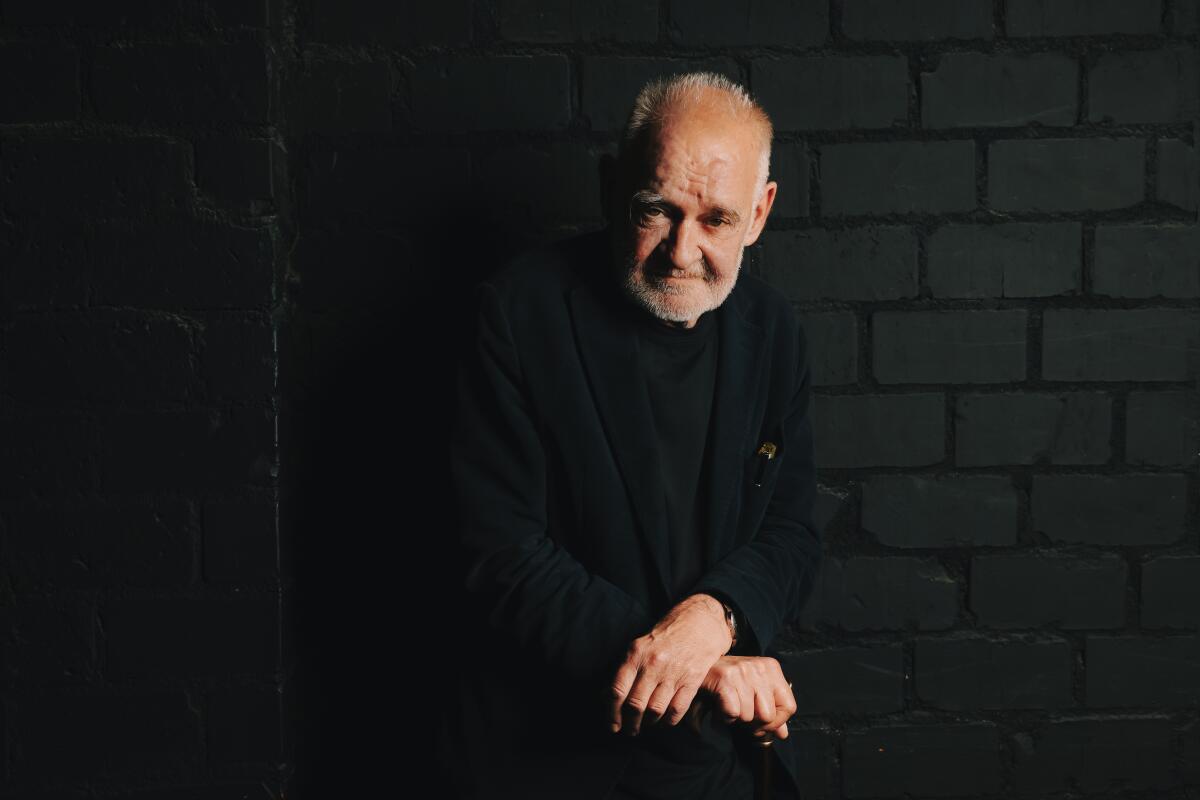
Bela Tarr Dies at 70: Satantango and Global Acclaim
Among Bela Tarr’s works, Satantango (1994) remains his most celebrated film. Running for over seven and a half hours, it tells the story of a small Hungarian village falling apart after the collapse of communism. The film’s extraordinary length and deliberate pace initially challenged viewers, but it quickly achieved legendary status in global cinema.
Satantango is praised not only for its daring structure but also for its philosophical depth. Through slow, mesmerizing shots, Tarr captured the erosion of community, trust, and hope. Critics and filmmakers alike regard it as one of the greatest films of all time, demonstrating Tarr’s mastery of cinematic storytelling in its most patient and reflective form.
Later Works and Dedication to Teaching
After films like Werckmeister Harmonies and The Turin Horse, Tarr gradually shifted away from feature filmmaking. He turned his focus toward education, nurturing a new generation of filmmakers. In 2012, he founded the Film Factory school in Sarajevo, where he served as professor and head of the academic program until 2016.
Through teaching, Tarr extended his influence beyond his own work. Many emerging European directors credit him with shaping their approach to storytelling, pacing, and the visual craft of cinema. Even in his later years, his impact continued to grow, as he shared the principles of slow, contemplative filmmaking with students and young artists.
Unique Style and Cinematic Philosophy
Bela Tarr’s films are instantly recognizable for their distinct style. His long takes allow scenes to unfold naturally, giving the audience time to absorb the environment, characters, and emotions. Dialogue is often sparse, emphasizing mood and atmosphere over exposition. Black-and-white cinematography adds a timeless, stark quality to his work, reflecting both the harshness and beauty of everyday life.
Tarr’s philosophy of filmmaking was deeply intertwined with the realities of the world around him. By depicting post-communist societies with meticulous attention to detail, he created films that were not only artistically innovative but also socially and politically resonant. His commitment to authenticity and truth in cinema made him a revered figure in the arthouse community.
Global Recognition and Influence
Despite producing a relatively small body of work, Bela Tarr’s influence on global cinema is immense. His films have inspired directors around the world to experiment with narrative form, pacing, and visual storytelling. The European Film Academy, which announced his death, called him an “outstanding director with a strong political voice” and praised his ability to command attention through the most minimalistic yet powerful cinematic techniques.
Tarr’s approach to cinema challenged conventions, proving that film could be both a visual art and a philosophical meditation. Today, students, filmmakers, and cinephiles continue to study and celebrate his work, ensuring that his legacy will endure for generations.
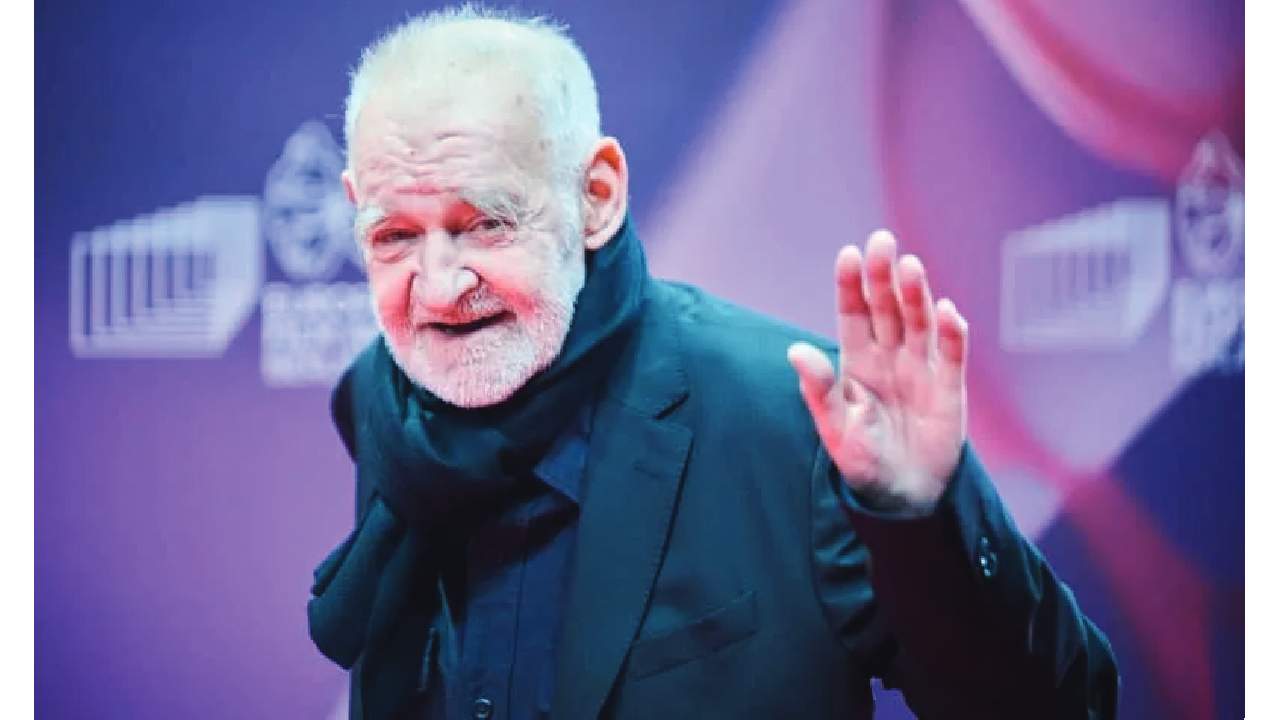
Remembering a Master Filmmaker
Bela Tarr dies at 70, leaving a mark that few filmmakers achieve. From the monumental Satantango to the haunting The Turin Horse, his films continue to captivate audiences worldwide. As a teacher, he passed on his knowledge, encouraging young filmmakers to embrace patience, observation, and emotional depth in their work.
The world of cinema has lost a true visionary. Yet, through his enduring films and the countless filmmakers he inspired, Bela Tarr’s artistic voice will continue to resonate across time and borders.