Indian Vultures Melghat Release Strengthens Wildlife Conservation

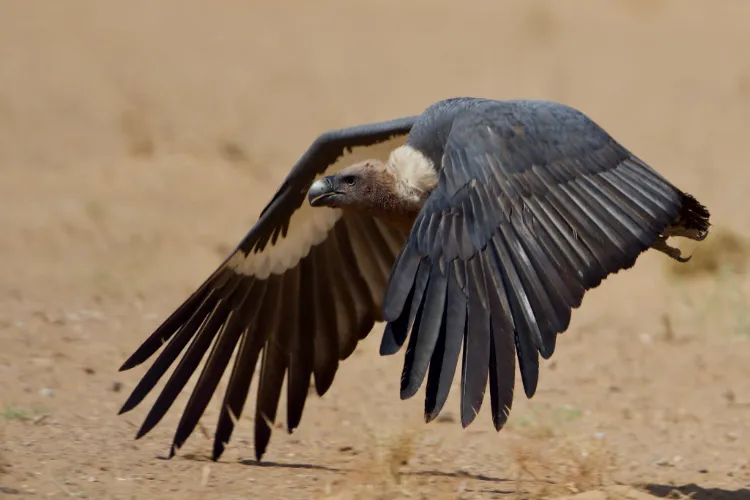
Indian Vultures Melghat Release has brought renewed attention to wildlife conservation in India after 15 critically endangered vultures were released into the wild at the Somthana Range of Melghat Tiger Reserve. The release, carried out in early January 2026, is part of a carefully planned effort to revive vulture populations that have almost disappeared from many parts of the country. Conservation experts see this move as an important step toward restoring balance in forest ecosystems where vultures once played a vital role.
Thank you for reading this post, don't forget to subscribe!The initiative reflects growing concern over the rapid decline of vultures and the urgent need to support species that are essential for maintaining environmental health.
Indian Vultures Melghat Release Follows Careful Planning
The vultures released in Melghat were bred and raised at the Vulture Conservation Breeding Centre in Pinjore. In April last year, they were moved to Melghat as part of a long-term recovery programme led by conservation scientists and forest officials. Rather than releasing them immediately, experts followed a slow and careful process to improve their chances of survival.
After relocation, the birds were kept in a specially built pre-release aviary inside the reserve. This allowed them to gradually adjust to local weather, landscape and food conditions. Such preparation is considered crucial, as vultures raised in protected environments need time to adapt before facing the challenges of the wild.
Indian Vultures Melghat Release Uses Soft-Release Method
The final release followed a soft-release approach, which is now widely used in wildlife conservation. Instead of opening cages suddenly, aviary gates were opened remotely on January 2, allowing the birds to leave at their own pace. Food was placed outside the enclosure to encourage natural movement while still providing support during the early days.
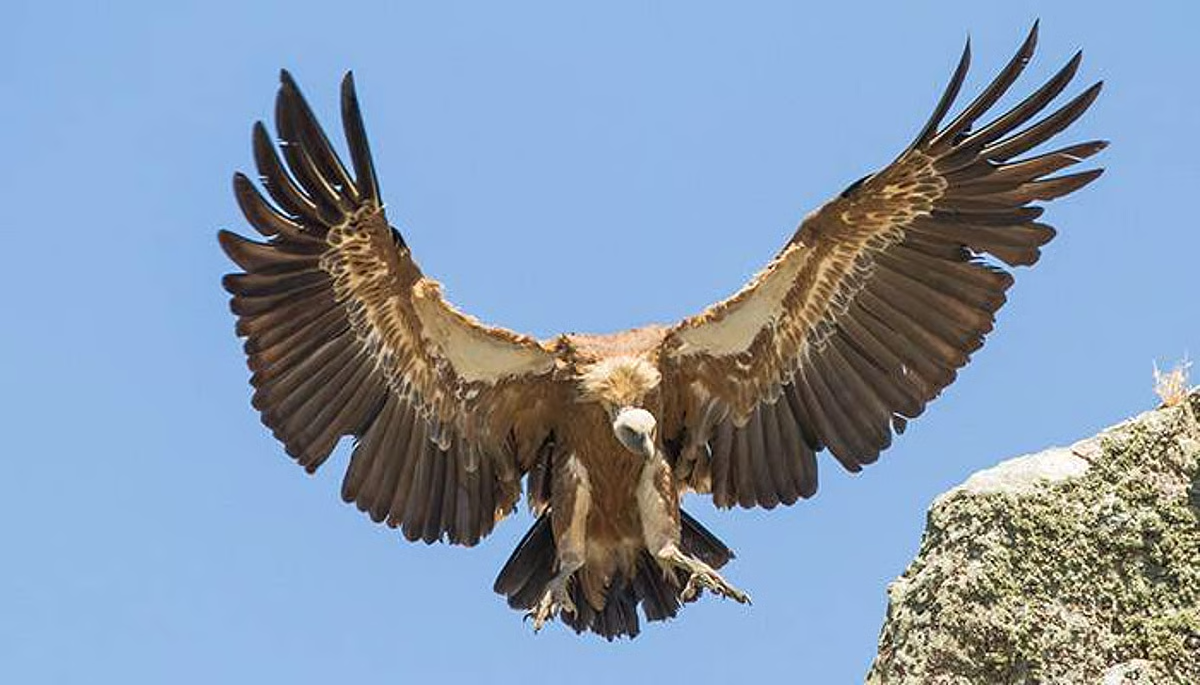
This method helps reduce stress and allows birds to explore their surroundings gradually. Some vultures may return to the aviary initially before venturing further, which is considered normal behavior during adjustment.
Indian Vultures Melghat Release Supported by Modern Tracking
To ensure close monitoring, all 15 vultures were fitted with GSM and satellite tracking devices in December 2025. These devices allow scientists to track their movement, feeding habits and survival in real time. The data collected will help experts understand how the birds adapt to Melghat’s forest environment and whether they begin to form stable territories.
Tracking also helps conservation teams respond quickly if a bird shows signs of distress or unusual movement. This technology plays a key role in improving the success of such release programmes.
Indian Vultures Melghat Release Faces Ground Challenges
Despite careful planning, the programme has faced several challenges. Conservation experts from the Bombay Natural History Society (BNHS) pointed out that Melghat currently lacks an existing vulture population. This means the released birds cannot learn feeding or nesting behavior from wild vultures, making their adaptation more difficult.
Another major concern is food safety. In the past, vultures across India suffered massive losses due to the use of diclofenac, a veterinary drug harmful to them when present in cattle carcasses. Although the drug is banned, traces can still be found in some areas, posing a risk to scavenging birds.
Indian Vultures Melghat Release Addresses Food Safety
To reduce risks, conservation teams have set up safe feeding stations within the reserve. These stations provide carcasses sourced from trusted gaushalas, where cattle are not treated with harmful drugs. This ensures that vultures have access to safe food while they establish themselves in the region.
Local cooperation has been essential in this effort. By involving nearby communities and cattle shelters, the programme aims to create a safer environment not just for vultures but for the broader ecosystem.
Indian Vultures Melghat Release Revives a Historic Habitat
Melghat Tiger Reserve, located in central India, was once a stronghold for long-billed vultures. The landscape offers tall trees for nesting, open areas for soaring and suitable conditions for scavenging. Forest officials believe that these features make Melghat an ideal site for vulture recovery.
By reintroducing vultures, the programme seeks to restore natural processes that were disrupted after their decline. Vultures help dispose of animal carcasses quickly, preventing the spread of disease and supporting overall forest health.
Indian Vultures Melghat Release Highlights Ecological Importance

Vultures play a unique and irreplaceable role in nature. As scavengers, they clean up dead animals that would otherwise attract feral dogs or spread infections. Their decline in past decades led to serious ecological and public health issues, including increased disease risk.
The return of vultures to Melghat is expected to strengthen these natural systems. Conservationists hope that if the birds survive and breed successfully, the population will slowly grow and spread to nearby regions.
Indian Vultures Melghat Release Reflects Growing Conservation Focus
This release comes at a time when India is increasing efforts to protect endangered species through science-based methods. The combination of captive breeding, careful release strategies, community involvement and modern tracking reflects a more holistic approach to conservation.
Forest departments, researchers and wildlife groups continue to work together to monitor the birds and address emerging challenges. Their shared goal is to ensure that vultures once again become a common sight in central India’s skies.