



Biopolymer Plant Set for October Launch

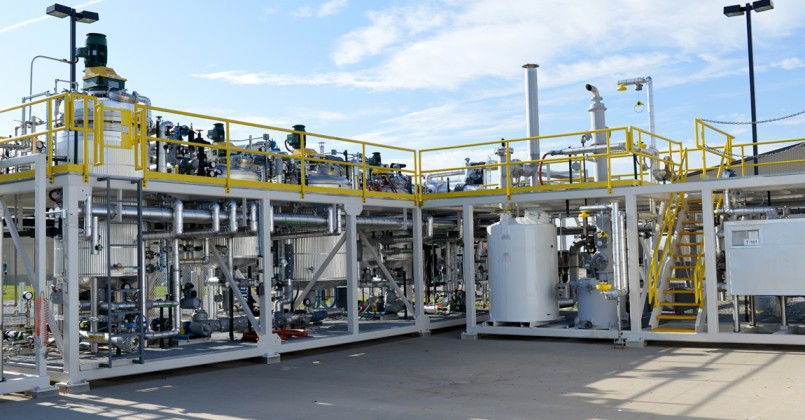
Biopolymer Plant in Uttar Pradesh is expected to be commissioned in October 2026, marking a major step in India’s move towards bio-based and biodegradable materials. The large-scale facility is being developed at the Kumbhi sugar unit of Balrampur Chini Mills in Gola Gokarannath, Lakhimpur Kheri district. The project will connect sugarcane processing with the production of biodegradable plastic materials on the same industrial campus.
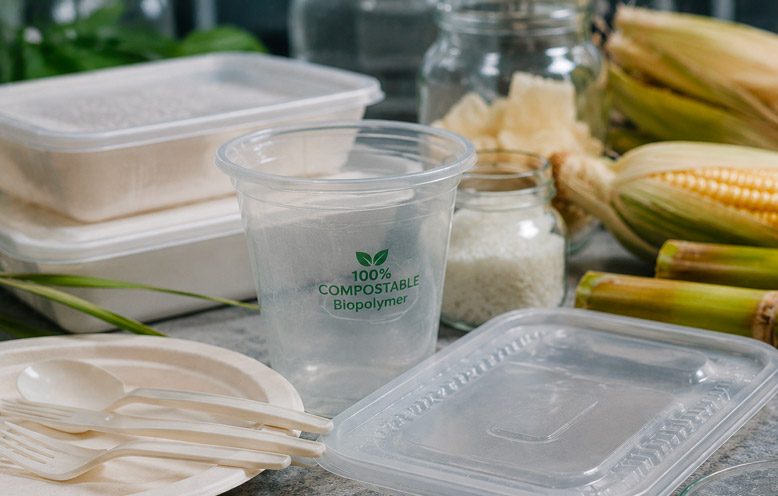
Thank you for reading this post, don't forget to subscribe!The facility is designed to use locally produced sugarcane as an important raw material. Sugarcane will first be processed into sugar and then used as a feedstock for producing Polylactic Acid, commonly known as PLA. PLA is a biodegradable thermoplastic that can be used to make products such as packaging materials, cups, plates and bags.
Biopolymer Plant to Support Green Manufacturing
The Biopolymer Plant is part of a wider shift towards materials made from renewable resources. Traditional plastics are largely produced from fossil fuels and can remain in the environment for long periods. Biopolymers, on the other hand, can be produced from biological sources such as sugarcane, starch, corn and other forms of plant biomass.
PLA is one of the better-known bio-based materials. It can be processed into different products and is particularly useful in packaging and disposable items. The use of agricultural resources such as sugarcane also creates a connection between farming and modern manufacturing.
The Uttar Pradesh project is therefore expected to bring together agriculture, sugar processing and bio-based manufacturing in one integrated system.
Project Location and Construction Progress
The plant is being constructed inside the Kumbhi sugar unit of Balrampur Chini Mills in Gola Gokarannath. The foundation stone for the project was laid on 22 February 2025 by Uttar Pradesh Chief Minister Yogi Adityanath.
The project’s cost has been reported at around ₹3,080 crore in recent official references. Earlier estimates in 2025 had placed the investment at approximately ₹2,850 crore.
Lakhimpur Kheri District Magistrate Anjani Kumar Singh inspected the facility on 20 August 2026. During the inspection, officials reviewed construction progress, production arrangements, technical layouts and the planned workflow of the facility.
The October commissioning target means that the project has entered an important stage of development. Commercial production of biodegradable products is expected to begin in November 2026 after the facility is commissioned.
Sugarcane to Become a Feedstock for PLA
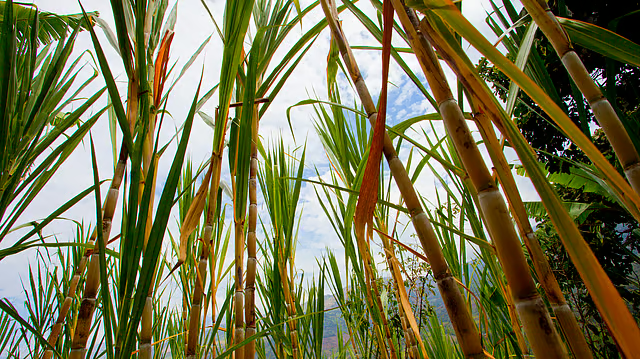
One of the important features of the project is its use of sugarcane as a renewable industrial resource. Uttar Pradesh is one of India’s major sugarcane-producing states, and the crop already supports a large sugar industry.
The new facility can add another value chain to sugarcane by using it for bio-based material production. Instead of limiting sugarcane processing to traditional sugar and related products, the project will support the production of PLA and other biodegradable materials.
This approach can help create additional industrial opportunities around agricultural resources. It also reflects the growing interest in converting farm-based raw materials into higher-value products.
Zero Liquid Discharge System
The facility will use a Zero Liquid Discharge (ZLD) system. This technology is designed to prevent the release of liquid industrial wastewater outside the plant.
Under a ZLD system, wastewater is treated and processed so that water can be recovered and reused, while the remaining materials are handled separately. Such systems are increasingly being considered in industries where water management and pollution control are important.
The inclusion of ZLD is therefore a significant environmental feature of the project. It is intended to reduce the plant’s liquid waste impact while supporting more efficient use of water within the industrial process.
Biodegradable Products and Expected Production
The facility is expected to manufacture a range of biodegradable products, including plates, cups and bags. According to the information available on the project, these products are designed to decompose naturally within around three to six months under suitable conditions.
The expected availability of such products comes at a time when industries and consumers are increasingly looking for alternatives to conventional single-use plastics. Packaging and disposable products are among the areas where bio-based materials are receiving greater attention.
However, the environmental performance of biodegradable materials can depend on how and where they are disposed of. Proper waste management and suitable composting or decomposition conditions remain important for achieving their intended benefits.
India’s Growing Bio-Based Industry
The Biopolymer Plant comes at a time when India is expanding its focus on renewable resources, cleaner manufacturing and circular economy practices. Agricultural materials such as sugarcane can play an important role in this transition because they are renewable and already available through established farming and processing networks.
India’s sugar industry is also increasingly connected with ethanol production and other value-added activities. The addition of PLA manufacturing creates another possible use for sugarcane-based feedstock.
The Uttar Pradesh project could therefore become an important example of how an existing agricultural processing ecosystem can be connected with newer industries such as bioplastics.
October Commissioning and November Production
The plant is scheduled for commissioning in October 2026, while commercial production of biodegradable products is expected to start in November 2026. The timeline makes the project one of the notable developments in India’s emerging bio-based manufacturing sector.
With its integrated sugarcane-to-PLA model, Zero Liquid Discharge system and planned production of biodegradable products, the facility represents an effort to combine agricultural resources with modern industrial technology.