Seychelles CSC Membership Marks Major Security Shift

Seychelles CSC Membership marks a major development in regional security cooperation as Seychelles officially becomes the newest member of the Colombo Security Conclave (CSC). This step, announced during the seventh National Security Adviser–level meeting held in New Delhi, represents a significant strengthening of relationships among Indian Ocean nations that share common security concerns and maritime responsibilities. The development also reflects the growing importance of collaborative frameworks in a region that plays a central role in global trade, maritime security, and geopolitical stability.
Thank you for reading this post, don't forget to subscribe!Seychelles CSC Membership: A New Chapter in Indian Ocean Cooperation
Seychelles joining the Colombo Security Conclave is more than just an expansion of the grouping it is a strategic move that adds weight to the ongoing efforts to build a safer and more stable Indian Ocean region. The country had earlier participated as an Observer State but has now been formally welcomed as a full member, marking a natural progression of its engagement with regional partners.
The CSC has expanded gradually over the years as nations recognized the need for stronger coordination against growing transnational threats, from maritime crimes to emerging cyber challenges. With Seychelles positioned at a key maritime location, its membership further enhances the Conclave’s strategic depth.
The Meeting Hosted in New Delhi
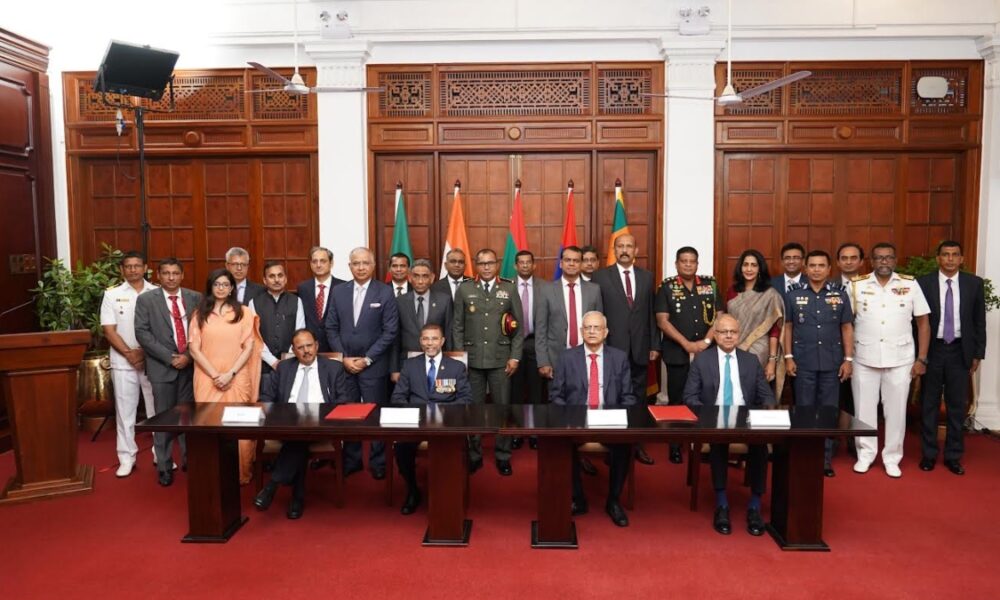
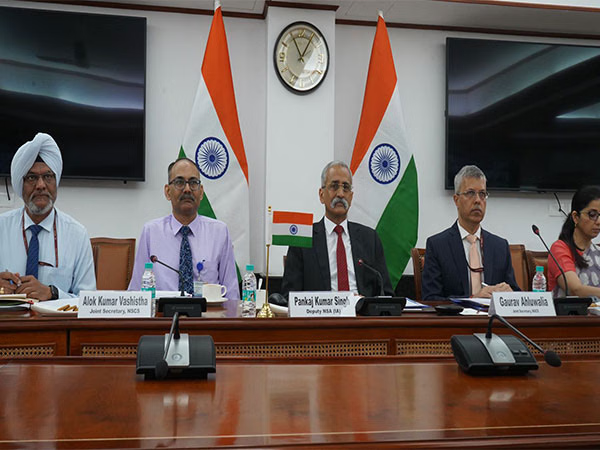
The seventh NSA-level meeting was held in New Delhi and was chaired by India’s National Security Adviser. Delegations from several member states including the Maldives, Mauritius, Sri Lanka, and Bangladesh attended the session. Each delegation was represented by senior security officials and advisers working on national and regional security matters.
Seychelles attended earlier meetings as an Observer, but this gathering marked a turning point as the country officially entered the CSC as a full-fledged member. In addition, Malaysia took part in the forum for the first time as a Guest State, showing growing interest beyond immediate Indian Ocean littoral nations.
The atmosphere of the meeting reflected cooperation, trust, and the common understanding that regional security challenges require shared solutions rather than isolated efforts.
Review of Progress Under Core Security Areas
An important highlight of the meeting was the presentation delivered by the CSC’s first Secretary General, appointed by India. The Secretary General outlined the actions and progress made since the previous meeting held in Mauritius. This review covered the five major pillars that form the foundation of the Conclave’s collaborative framework:
1. Maritime Security
Maritime crime, piracy, illegal fishing, and trafficking continue to threaten the Indian Ocean region. Discussions focused on enhancing joint surveillance, sharing maritime intelligence, and conducting coordinated patrols. With Seychelles now joining the CSC, its strong coastal monitoring capabilities will add value to collective efforts.
2. Counter-Terrorism
Participants evaluated ongoing capacity-building programmes related to intelligence sharing, joint training exercises, and the development of counter-terrorism strategies. Nations emphasized the need to strengthen early-warning systems and improve cooperation to prevent extremist networks from gaining ground.
3. Tackling Transnational Crime
Crimes that cross borders such as drug trafficking, human trafficking, money laundering, and organized smuggling networks pose a growing threat. Member states discussed ways to improve cross-border coordination, share forensic resources, and expand investigative collaboration.
4. Cyber Security
Cyber threats have evolved rapidly, affecting both government systems and private networks in the region. Delegates assessed progress in cyber training workshops, information-sharing platforms, and strategies for preventing digital intrusions. The goal is to build resilient cyber infrastructure across member countries.
5. Disaster Relief and Risk Reduction
Natural disasters such as cyclones, floods, tsunamis, and other climate-related events frequently impact the Indian Ocean region. The meeting reviewed collaborative approaches to improving early-warning systems, emergency response training, and humanitarian assistance coordination among member states.
The progress recorded in each pillar reflects a growing sense of shared responsibility and a recognition that regional threats can no longer be handled individually.
India Emphasizes Shared Indian Ocean Heritage
India, one of the founding members of the CSC, highlighted the importance of considering the Indian Ocean as a common heritage connecting all member countries. This shared maritime environment supports millions of livelihoods, global supply chains, and rich biodiversity. Ensuring its stability, therefore, becomes a moral and strategic responsibility for every participating nation.
India encouraged member states to deepen cooperation, maintain trust, and continue expanding the collaborative framework. The country also stressed that regional partnerships are essential for safeguarding the Indian Ocean from emerging threats and disruptions.
Expanded Participation and More Collaborative Energy
Delegations from all participating nations consisted of senior officials representing national security agencies and defence forces. Their discussions focused on strengthening training programmes, developing joint security exercises, and identifying future activities that would enhance readiness against potential threats.
The presence of Malaysia as a Guest State signals wider interest in the CSC platform. As geopolitical dynamics shift and new challenges arise, more countries may seek greater engagement with existing regional frameworks like the CSC.
Why Seychelles’ Membership Is Important
Seychelles’s entry carries both symbolic and practical importance:
- Strategic Location: Positioned in a critical part of the Indian Ocean, Seychelles can contribute significantly to maritime surveillance and coastal security.
- Experience in Ocean Governance: The country has extensive experience in marine conservation and maritime law enforcement.
- Stronger Coordination: With similar security concerns, Seychelles will benefit from structured cooperation with neighbouring nations.
- More Balanced Representation: The inclusion of more island nations strengthens CSC’s identity as a truly regional grouping focused on shared ocean responsibilities.
This membership is expected to improve maritime monitoring, facilitate data-sharing, expand security networks, and create more opportunities for joint training programs.
A Growing Framework for Future Cooperation
The Colombo Security Conclave continues expanding its role as a key platform for regional collaboration. Its emphasis on practical cooperation rather than only dialogue makes it a vital grouping for Indian Ocean security.
With Seychelles officially becoming part of the CSC, member nations are now better positioned to address security concerns through joint action, shared intelligence, and coordinated strategies. As challenges evolve, the Conclave is likely to play an even more central role in shaping regional security partnerships.