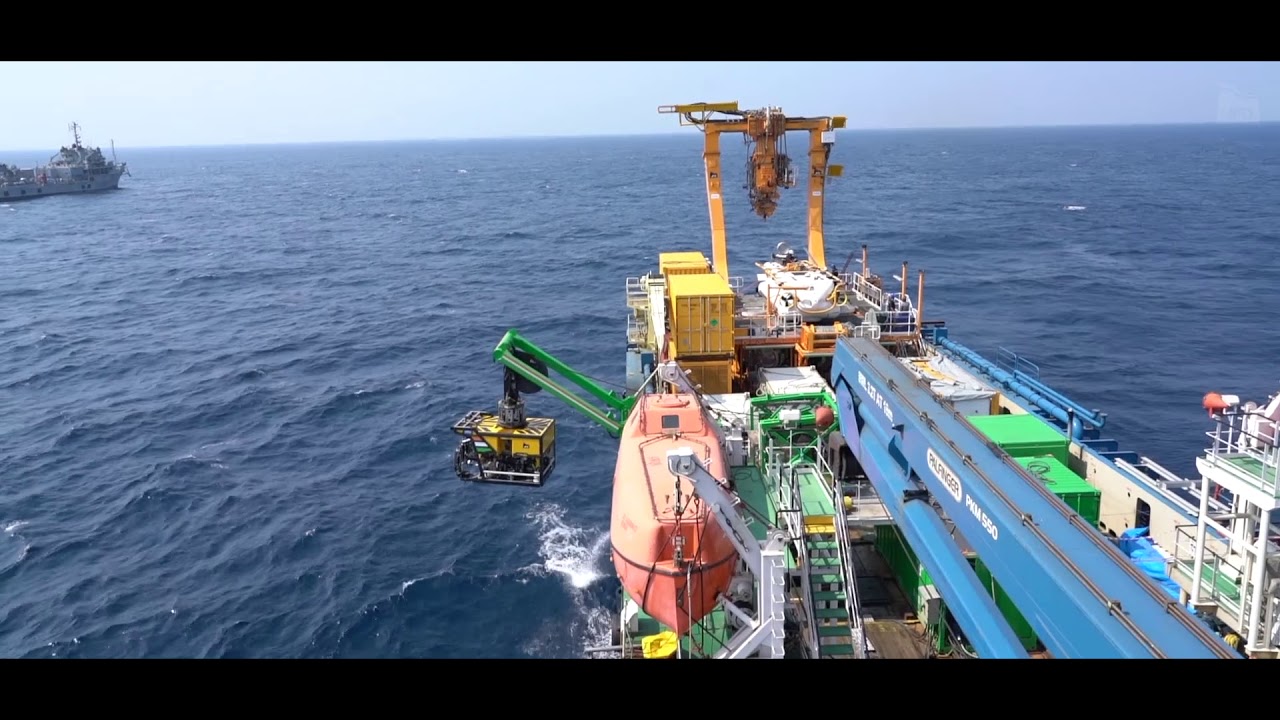
India Ocean Trials 500m: India Prepares for Critical Sea Test of Matsya-6000 Submersible

India is taking a major step forward in deep-sea research and marine technology with the upcoming India Ocean Trials 500m, where the nation’s first manned deep-sea submersible Matsya-6000 will dive to a depth of 500 metres off the coast of Chennai. This sea trial marks an important milestone under India’s ambitious Deep Ocean Mission, which aims to reach the ocean floor at 6,000 metres by the year 2027.
Thank you for reading this post, don't forget to subscribe!The upcoming test is more than a routine technical exercise it is a statement of India’s readiness to become a global leader in deep-ocean exploration, advanced underwater engineering, and marine resource research.
India Ocean Trials 500m: A Major Step in Deep Ocean Mission
The India Ocean Trials 500m will test the performance, safety, and stability of Matsya-6000 in real underwater conditions. While the final mission will reach 6,000 metres where water pressure becomes nearly 600 times higher than on the surface this 500-metre dive is essential to prepare for deeper and more complex phases.

Matsya-6000 has been conceptualised and developed by the National Institute of Ocean Technology (NIOT) in Chennai. It is India’s first indigenously designed manned submersible capable of carrying three individuals two scientists and one pilot to extraordinary depths of the ocean.
Once fully operational, Matsya-6000 will allow India to explore untouched deep-sea regions for scientific research, mineral resources, biodiversity mapping, and environmental studies.
Indigenous Engineering Behind Matsya-6000
The submersible is a major achievement of Indian engineering. It integrates technology and expertise from multiple advanced scientific institutions across the country.
Several defence and space research laboratories contributed core components including navigation systems, communication modules, environmental sensors, and propulsion elements. One of the most important features is the titanium personnel sphere, the chamber that houses the crew during deep-sea missions.
This sphere is being manufactured at an aerospace propulsion centre using high-precision welding and fabrication techniques. The titanium shell alone weighs several tonnes and is designed to withstand extreme underwater pressure.
The 28-tonne submersible is also equipped with:
- Li-Po batteries that ensure long-duration underwater missions
- Emergency ballast systems for safe ascent
- High-strength propellers to manoeuvre in low-light underwater zones
- Mechanical and electrical systems built for reliability in harsh environments
All these features make Matsya-6000 one of the most advanced submersibles in the world.
Technical Features for Ultra-Deep Exploration
The India Ocean Trials 500m will be the first major test of the submersible’s advanced scientific and operational systems. Once completed, the team will gradually push the submersible to deeper depths until it reaches the final target of 6,000 metres.
Some of the most important technical features include:
- Titanium pressure sphere with walls nearly 80 mm thick
- Robotic arms for collecting samples from the seafloor
- High-resolution cameras to record marine life and geological structures
- Special portholes for scientific observation
- LED-based deep-sea lighting systems for visibility in pitch-dark regions
- Travel speed of 30 metres per minute, allowing steady descent and ascent
- Life support systems to sustain the crew for long hours underwater
These technologies reflect India’s growing capability in building complex marine systems at a global standard.
A Significant Push for India’s Ocean Research Goals
India’s Deep Ocean Mission is not just a scientific venture it is also a strategic initiative. As the world searches for sustainable ways to explore marine resources, deep-sea research has become a field of global importance.
Under this mission, India aims to:
- Explore mineral deposits such as polymetallic nodules
- Study deep-sea biodiversity for environmental and biological research
- Understand geological structures that can help predict oceanic hazards
- Strengthen India’s blue economy, which is vital for future economic growth
- Train Indian scientists and engineers for deep-sea operations
The India Ocean Trials 500m will help scientists gain critical experience in handling advanced submersible systems, ensuring India’s readiness for the 6,000-metre mission.
India’s Growing Presence in Global Ocean Research
Only a few countries in the world including the United States, Russia, China, France, and Japan possess manned deep-sea submersibles capable of exploring extreme depths. By developing Matsya-6000, India is preparing to join this exclusive group.
India has already participated in various international deep-sea expeditions, and the learnings from those missions have shaped the design, safety protocols, and operational structure of Matsya-6000.
The mission also aligns with India’s strong maritime history and its 11,098 km long coastline, which supports millions of livelihoods and contributes significantly to the national economy.
Global Standards and Certification
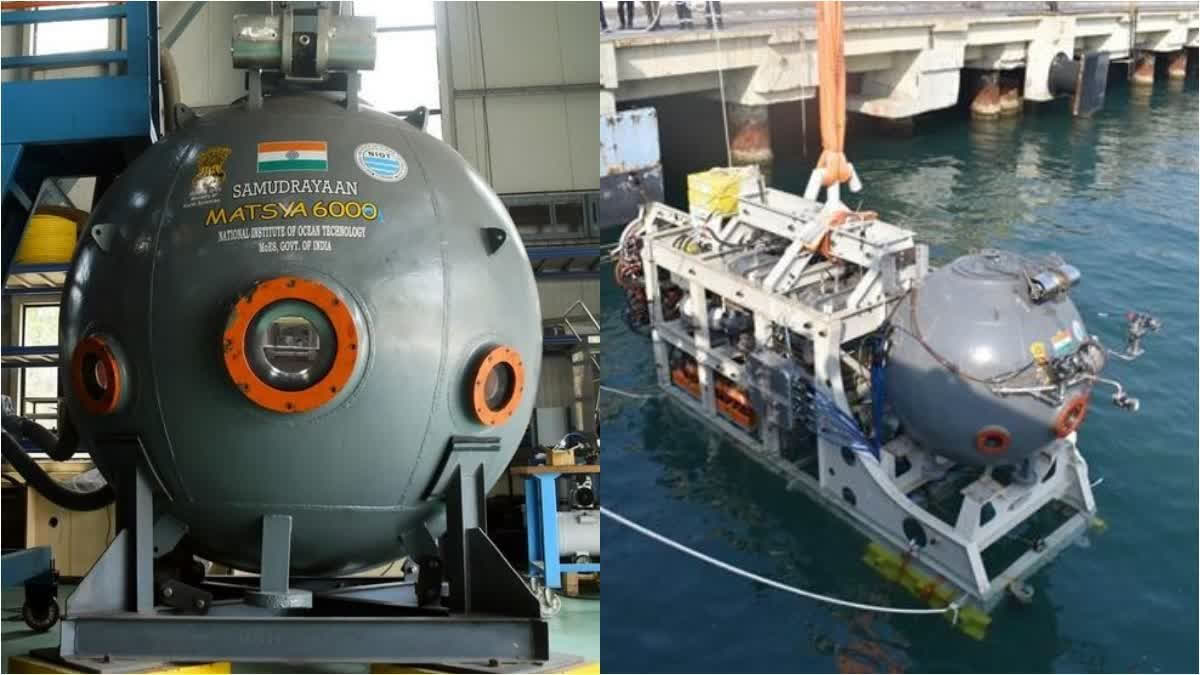
Every component of Matsya-6000 must meet strict safety and performance guidelines.
A global risk-management and certification organisation is overseeing the testing and validation process for all major systems.
Only after passing multiple sea trials, simulations, and safety checks will the submersible be allowed to attempt the full 6,000-metre mission.
The India Ocean Trials 500m is one of the most important stages of this long and rigorous approval journey.
Shaping the Future of India’s Marine Science
The successful completion of the 500-metre trial will not only boost confidence among scientists and engineers but also inspire the next generation of marine researchers in India.
The Deep Ocean Mission represents:
- Innovation
- Technological self-reliance
- Environmental responsibility
- Scientific ambition
Through Matsya-6000 and future missions, India is preparing to explore a world that remains largely unknown the deep ocean, where mysteries, resources, and new knowledge await discovery.