India Cheetah Mukhi Cubs Born at Kuno

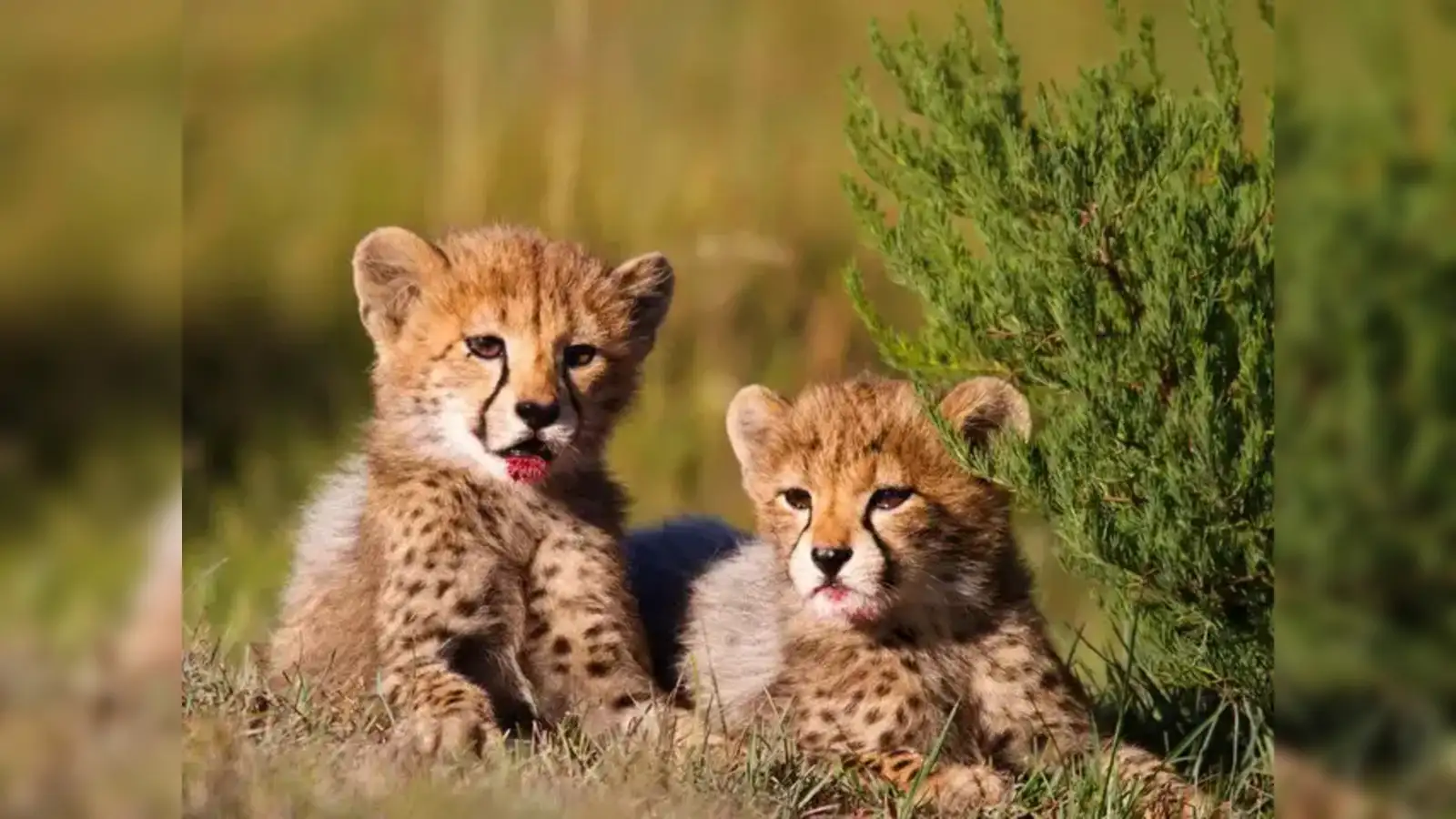
India Cheetah Mukhi Cubs marks a major breakthrough in India’s wildlife conservation history. The birth of five healthy cubs to Mukhi, the first female cheetah born in India under the ongoing reintroduction programme, has become one of the most encouraging developments at Kuno National Park. This moment is more than a simple birth it is proof that India’s plan to restore cheetahs to their natural habitat is finally taking shape in a meaningful and sustainable way.
Thank you for reading this post, don't forget to subscribe!India Cheetah Mukhi Cubs: A Historic Milestone in India’s Cheetah Conservation Journey
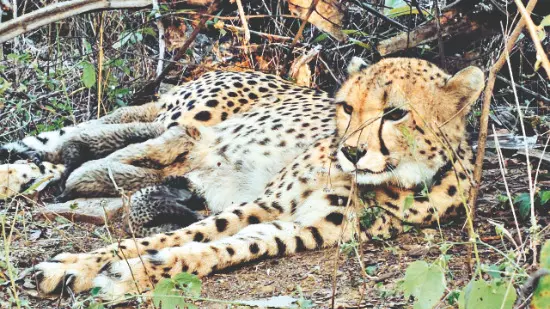
India has entered a new chapter in wildlife conservation with the birth of five cubs to Mukhi, an India-born female cheetah at Kuno National Park in Madhya Pradesh. This event is considered one of the most important successes of Project Cheetah, the national effort to reintroduce the species into the country after more than seven decades of absence.
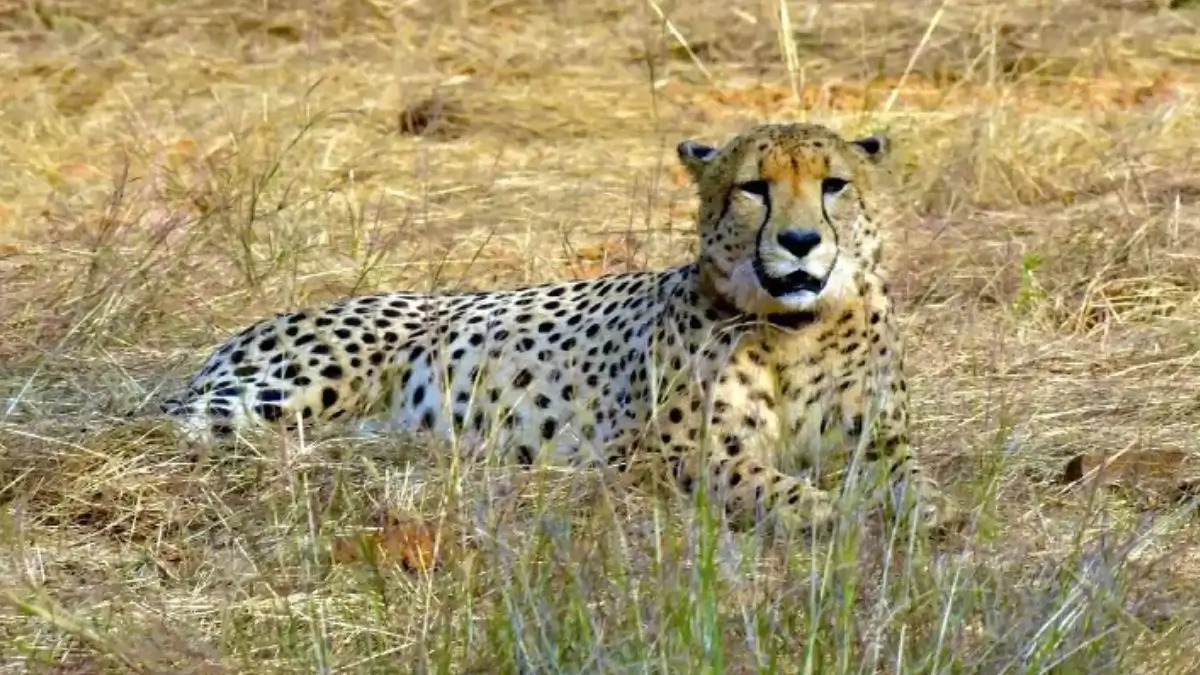
The arrival of Mukhi’s litter is not just a positive update from the park it is a turning point that shows India’s cheetah population is moving toward natural and sustainable growth. Conservationists and officials across the country are celebrating this achievement as a sign that the long and challenging journey of cheetah restoration is beginning to show real results.
India Cheetah Mukhi Cubs: Why This Birth Is So Special
Mukhi is nearly three years old and holds a unique place in India’s conservation story. She is the daughter of a female cheetah from Namibia that arrived in India during the first phase of the translocation mission. Born on Indian soil, Mukhi represents the first generation of cheetahs adapting to new conditions, climate, prey, and landscape.
Her successful delivery of five cubs has made her the first India-born cheetah to give birth in over seventy years, marking the start of India’s second-generation cheetah population. According to Kuno National Park authorities, Mukhi and her cubs are healthy and are being observed round-the-clock by trained wildlife teams. Their early health indicators are promising, and the cubs appear active and responsive.
This birth confirms that India’s cheetah reintroduction plan is functioning as intended, with animals not only surviving in the wild but also reproducing naturally.
A Strong Step Toward Project Cheetah’s Long-Term Vision
Project Cheetah was launched with a clear aim to establish a free-ranging and genetically strong population of cheetahs in India. The arrival of Mukhi’s cubs takes this mission a step closer to reality.
The project had two major goals:
- To create a breeding cheetah population in India.
- To ensure that cheetahs adapt successfully to Indian landscapes and prey.
Mukhi’s litter proves that the first generation of relocated cheetahs has adjusted well enough to reproduce and raise cubs. This is one of the strongest signs of long-term viability, as breeding in the wild is the ultimate indicator of successful adaptation.
Conservation experts note that the birth of second-generation cheetahs could help increase population diversity and reduce genetic stress, which is essential for building a thriving, stable, and naturally growing cheetah presence in India.
What Mukhi’s Cubs Reveal About Kuno National Park
For a long time, scientists and conservationists questioned whether Kuno National Park had the right capacity to host a full population of cheetahs. The concerns included prey availability, hunting space, competition, climate differences, and vulnerability to diseases.
Mukhi’s successful breeding answers many of these doubts.
Key signs of habitat readiness include:
- Safe denning spaces for cheetah mothers to raise their cubs
- Healthy prey populations, including chital, sambar, and blackbuck
- Well-managed landscapes that support natural hunting behaviour
- Protection from human interference through controlled zones
- Effective monitoring systems implemented by trained staff
The birth of these cubs shows that cheetahs are not just surviving they are adjusting comfortably to Indian ecosystems. This suggests that Kuno’s environment is capable of supporting future generations.
A Look at India’s Cheetah Timeline
Cheetahs were officially declared extinct in India in 1952 due to excessive hunting, habitat loss, and declining prey. The reintroduction plan, however, began many decades later.
Here is a brief look at the timeline:
- 1952: Cheetahs declared extinct in India
- September 2022: First batch of cheetahs arrive from Namibia
- 2023: More cheetahs arrive from South Africa
- 2022–2025: First generation adjusts to life in Kuno
- 2025: Mukhi becomes the first India-born cheetah to deliver cubs
This single event marks a major breakthrough in the timeline, indicating natural progress in the population.
India Cheetah Mukhi Cubs and the Future of Conservation Planning
The birth of Mukhi’s cubs is expected to influence conservation strategies in several ways over the next few years.
1. Expansion of Cheetah Habitats
Authorities may consider opening additional landscapes to distribute the growing population. This will help reduce pressure on Kuno and keep the cheetahs safe from overcrowding.
2. Improved Monitoring Practices
With second-generation cheetahs arriving, park management is expected to refine tracking, medical care, and protection measures to safeguard new litters.
3. Better Understanding of Adaptation Trends
Researchers will now observe how India-born cheetahs behave, hunt, migrate, and interact with the environment compared to their African counterparts.
4. Long-Term Population Planning
As more India-born cheetahs reach adulthood, conservationists will gain clearer insights into population stability and continuity.
Mukhi’s cubs provide the first strong sign that cheetahs can truly become a part of India’s wildlife future again.
A Hopeful Beginning for a Long Journey
The birth of the India Cheetah Mukhi Cubs is not the end of the road it is the beginning of a long but promising journey. While challenges remain, such as ensuring stable prey availability, preventing human–wildlife conflict, and protecting cubs from natural threats, the success so far shows that the project is moving in the right direction.
For now, Mukhi and her cubs represent hope, resilience, and a restored connection between India and a magnificent species that once roamed freely across its grasslands. Their birth assures conservationists that India’s dream of reviving the cheetah population is achievable, meaningful, and well underway.