India’s New Gene Therapy Breakthrough for Sickle Cell Disease

India’s New Gene Therapy marks a historic moment in the country’s medical science, as India successfully introduces its first indigenously developed CRISPR-based gene therapy for Sickle Cell Disease. This achievement places the nation at the forefront of genetic medicine and strengthens its mission to make advanced healthcare accessible to all, especially communities that have long been underserved.
Thank you for reading this post, don't forget to subscribe!India’s breakthrough therapy, named BIRSA 101 in honour of tribal icon Birsa Munda, represents an important shift in how the country addresses hereditary diseases. It is not only a scientific milestone but also a symbol of India’s growing self-reliance in next-generation medical innovation.
India’s New Gene Therapy: A Major Breakthrough for Sickle Cell Treatment
The launch of the new CRISPR-based therapy marks a major turning point for Indian healthcare. Announced by the Union Minister of State for Science and Technology, the therapy showcases India’s capability to develop high-end gene-editing solutions using its own scientific expertise.

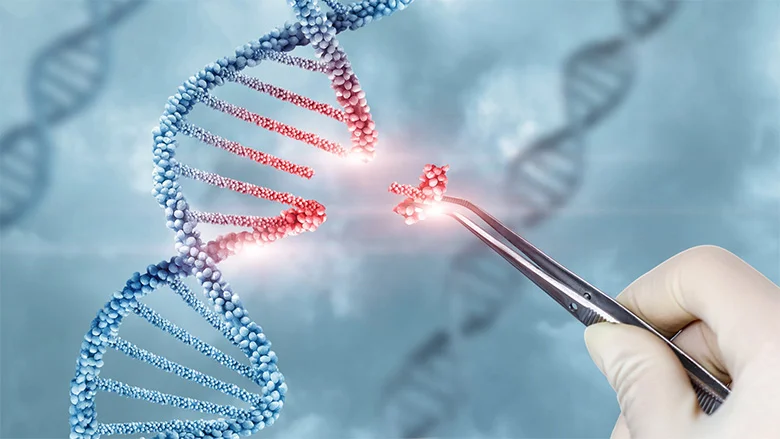
The innovation uses CRISPR technology a precise tool that can identify and correct faulty genes to target the specific mutation that causes Sickle Cell Disease. By editing the gene at its root, the therapy aims to offer a long-term and possibly permanent solution for individuals living with this inherited blood disorder.
What sets this achievement apart is that India has developed the therapy entirely on its own, showcasing scientific excellence and the commitment to building advanced solutions under the Atmanirbhar Bharat mission.
India’s New Gene Therapy: Addressing the High Burden of Sickle Cell Disease
Sickle Cell Disease remains a severe public health challenge in India, especially in tribal belts spread across central, eastern and northeastern regions. These include states such as Madhya Pradesh, Chhattisgarh, Odisha, Jharkhand, Maharashtra, Gujarat, and parts of Assam.
For decades, people in these regions have struggled with:
- Chronic anaemia
- Recurring painful episodes
- Infections and organ damage
- Limited access to specialised medical care
The disease has deeply affected tribal communities, disrupting education, livelihoods, and overall quality of life.
By introducing a therapy that directly corrects the genetic error, India is taking a significant step toward reducing the long-term impact of the disorder. The launch is aligned with the larger national goal of eliminating Sickle Cell Anaemia, ensuring that affected families receive modern treatment options that were previously out of reach.
India’s New Gene Therapy: Development, Affordability and Collaboration
The therapy was developed by the CSIR-Institute of Genomics and Integrative Biology (CSIR-IGIB), one of India’s leading research institutes in genomic science. The team used an advanced version of CRISPR gene-editing technology known as the engineered enFnCas9 platform, a tool specifically refined by Indian scientists.
One of the most significant advantages of BIRSA 101 is its affordability. While global gene therapies for similar conditions can cost more than ₹20 crore, India’s version has been created at a fraction of that amount. This makes it far more accessible for Indian patients, especially those living in remote regions.
To ensure that the therapy reaches people on a large scale, the government has collaborated with a leading biotechnology and vaccine manufacturer. This public–private partnership supports:
- Mass production of the therapy
- Efficient distribution to medical centres
- Future expansion into treatments for other genetic disorders
The collaboration strengthens India’s ability to convert research innovations into real-world medical solutions.
India’s New Gene Therapy: Moving Toward a Sickle Cell–Free Nation

The launch of this therapy also supports the National Sickle Cell Anaemia Elimination Mission, which aims to eliminate the disease by 2047, the year marking 100 years of India’s independence.
The government has already rolled out large-scale screening and prevention programmes across tribal districts. By identifying carriers and patients early, these initiatives help in planning better healthcare interventions.
The integration of BIRSA 101 into national programmes represents a strong push toward:
- Early detection
- Affordable treatment
- Long-term disease control
With this achievement, India strengthens its global position as a leader in low-cost, high-impact medical technology. It also brings hope to thousands of families who have been waiting for effective care.
India’s New Gene Therapy: A Step Toward a Healthier Future
The development of BIRSA 101 is not just a scientific breakthrough it is a moment of national pride. By creating an indigenous gene therapy that rival’s global standards, India has proven its ability to innovate, collaborate, and deliver solutions that reach people who need them the most.
The therapy sets the foundation for future advancements in genetic medicine, opening doors to treatments for other hereditary conditions. It also highlights India’s vision of building a strong, inclusive healthcare ecosystem where technology meets affordability.
As the therapy moves into wider distribution and clinical use, it is expected to transform lives, reduce suffering and empower communities that have long carried the burden of Sickle Cell Disease. India’s achievement marks the beginning of a new chapter in the country’s medical future one where innovation is designed for everyone, not just a few.