The Swasth Nari Sashakt Parivar Abhiyaan (SNSPA): A Nationwide Health Revolution for Women and Children

The Swasth Nari Sashakt Parivar Abhiyaan (SNSPA) was launched on 17 September 2025 by Prime Minister Narendra Modi, marking one of India’s most ambitious and inclusive public health missions. This historic initiative represents the largest health outreach programme for women and children in India, focusing on preventive, promotive, and curative health services. The campaign, spanning from 17 September to 2 October 2025, aims to touch the lives of millions through more than 10 lakh health camps organised nationwide across both government and private healthcare facilities.
Thank you for reading this post, don't forget to subscribe!Objectives: Empowering Women’s Health for Stronger Families
At the heart of the Swasth Nari Sashakt Parivar Abhiyaan lies the belief that healthy women form the foundation of a healthy and empowered society. The programme’s primary objective is to improve healthcare access and quality for women and children by focusing on early detection, prevention, and treatment of major health conditions.
The Abhiyaan aims to address a wide spectrum of diseases, including cancer, anaemia, tuberculosis (TB), sickle cell disease, hypertension, and diabetes. Early diagnosis and intervention for these conditions are crucial for reducing health complications and mortality rates among women.
In addition to disease screening, SNSPA also highlights the importance of maternal, child, and adolescent health. The campaign includes awareness drives on immunisation, nutrition, menstrual hygiene, and mental health. By promoting healthy lifestyles and encouraging voluntary blood donation and obesity prevention, the initiative seeks to build a health-conscious and resilient generation.
Implementation and Reach: A Nationwide Health Network
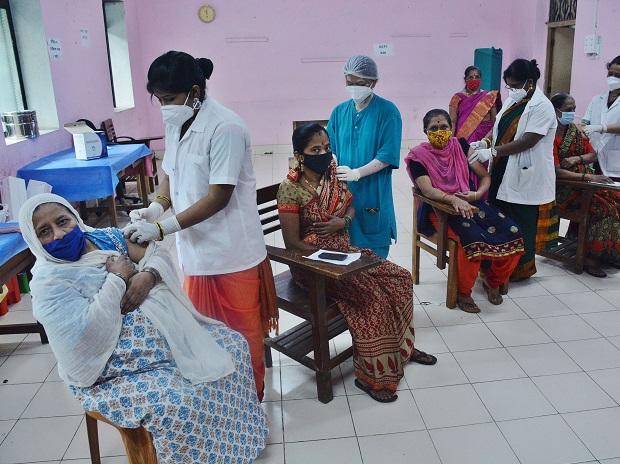
The implementation strategy of SNSPA is designed to ensure that healthcare services reach even the remotest corners of the country. Health camps are being organised at Ayushman Arogya Mandirs, Community Health Centres (CHCs), District Hospitals, and other public healthcare facilities.
Private hospitals and medical colleges have also been brought on board to extend specialist services in key areas such as gynaecology, paediatrics, dermatology, psychiatry, and ophthalmology. Moreover, central government institutions such as AIIMS, ESIC, and CGHS centres are playing an essential role in supporting and monitoring these efforts.
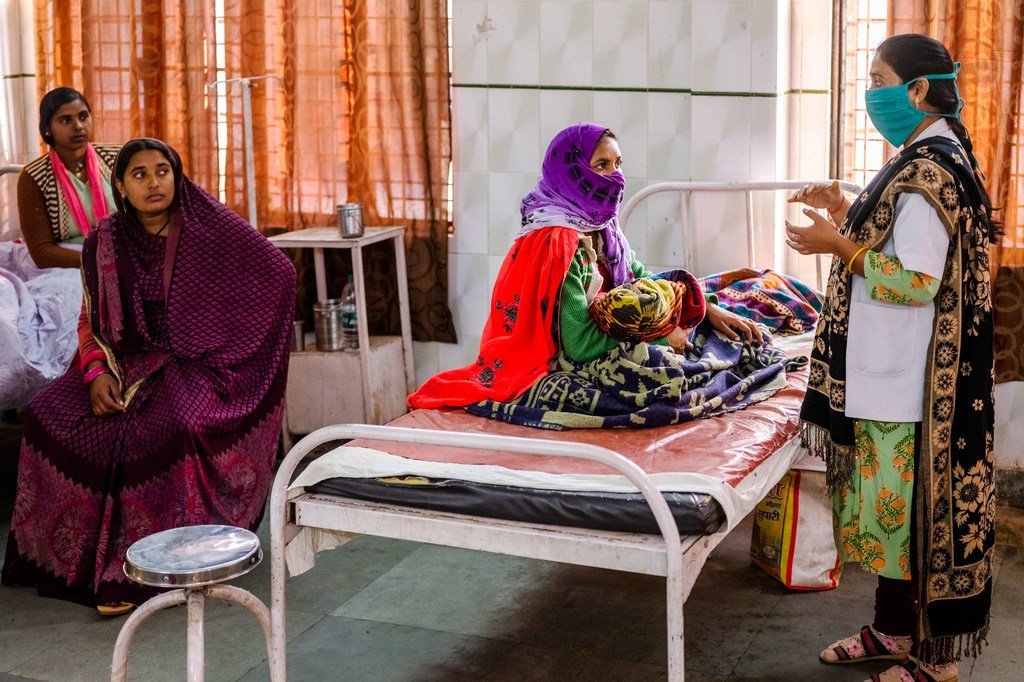
A remarkable feature of the campaign is its reliance on grassroots healthcare workers, including ASHA and Anganwadi workers, as well as youth volunteers, who are central to mobilising communities and spreading awareness. Their door-to-door outreach ensures that women from all social and economic backgrounds can access the benefits of the programme.
Significance: Health Security for Every Woman and Child
The Swasth Nari Sashakt Parivar Abhiyaan is more than just a healthcare campaign it is a movement dedicated to mothers and sisters across India. It strives to ensure that no woman or child suffers from preventable diseases due to lack of awareness, access, or financial resources.
A significant focus of the campaign is directed toward tribal communities, especially tribal women suffering from sickle cell anaemia. Free testing and treatment are being provided as part of a broader effort to address the health disparities faced by these populations.
By focusing on preventive care, SNSPA aligns with India’s long-term health goals to reduce Maternal Mortality Rate (MMR) and Infant Mortality Rate (IMR), which are crucial indicators of national health development.
Integration with Existing Health Schemes
SNSPA complements and strengthens several existing government programmes aimed at improving women’s and children’s health. One such key initiative is the Pradhan Mantri Matru Vandana Yojana (PMMVY), which has already benefited over 4.5 crore pregnant women since its inception in 2017.
Additionally, the campaign supports the National Sickle Cell Anaemia Mission, which has screened over 5 crore individuals and provided timely intervention to many tribal families. Through such integration, the SNSPA ensures a continuum of care from screening to treatment and financial assistance.
The Ayushman Bharat scheme also plays a complementary role, as beneficiaries identified during health camps can utilise their Ayushman Bharat cards for advanced treatments and hospitalisation, thus providing comprehensive and financially secure healthcare.
Community Participation: A Jan Bhagidaari Approach
One of the most striking aspects of the Swasth Nari Sashakt Parivar Abhiyaan is its Jan Bhagidaari (people’s participation) model. The campaign’s success depends on collaboration between central and state governments, private hospitals, NGOs, self-help groups, and community organisations.
Public representatives, local leaders, and volunteers play a vital role in mobilising women and families to attend the health camps and take part in awareness sessions. By involving the community at every level, SNSPA ensures sustainability and long-term behavioural change in healthcare practices.
The campaign also harnesses the power of digital platforms and social media to spread awareness about health screenings, encourage participation, and share success stories. This multi-sectoral engagement reflects India’s commitment to inclusive and participatory governance in public health.
Conclusion: Building a Healthier and Empowered India
The Swasth Nari Sashakt Parivar Abhiyaan stands as a transformative initiative in India’s journey towards universal healthcare and gender empowerment. It embodies the government’s vision of a nation where every woman is healthy, every child is nurtured, and every family is strengthened.
By uniting healthcare providers, community workers, and citizens, SNSPA creates a comprehensive and compassionate approach to women’s and children’s well-being. As the campaign continues, it promises not only to improve health outcomes but also to build a culture of awareness, prevention, and empowerment that will benefit generations to come.