India First Bamboo Ethanol Plant Boosts Green Energy and Rural Economy

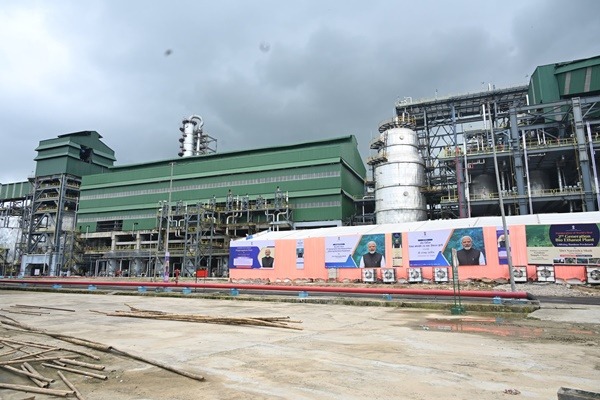
India First Bamboo Ethanol Plant was recently inaugurated in Golaghat, Assam, marking a historic milestone in the country’s renewable energy journey. This plant, the first of its kind in India, will utilize bamboo as a primary raw material to produce bioethanol, offering a sustainable alternative to fossil fuels. The project not only strengthens India’s green energy ambitions but also provides significant socio-economic benefits to local farmers and tribal communities in Assam and neighboring northeastern states. In parallel, the foundation for a polypropylene plant was laid, further enhancing regional industrial growth and self-reliance.
Thank you for reading this post, don't forget to subscribe!India First Bamboo Ethanol Plant: Significance for Renewable Energy
Bioethanol, a high-octane renewable biofuel, is produced from biomass such as bamboo, sugarcane, and grains. Bamboo is particularly promising due to its fast growth, wide availability, and sustainability. The India First Bamboo Ethanol Plant will process approximately 5 lakh tonnes of bamboo annually, creating a significant contribution to India’s biofuel capacity. This development aligns with the government’s goal of reducing dependence on fossil fuels, promoting cleaner energy, and advancing the country’s energy security.
Bamboo’s adaptability to the Northeast’s climate and soil conditions makes it an ideal feedstock. By utilizing this abundant natural resource, the plant ensures that bioethanol production is environmentally sustainable and economically viable.
Policy Changes Supporting Bamboo Utilization
The launch of the India First Bamboo Ethanol Plant comes after crucial policy reforms. Bamboo was previously classified as a tree under the Indian Forest Act, 1927, which restricted its harvest and trade. Recent amendments have removed this classification, allowing farmers and forest communities to legally cultivate, harvest, and sell bamboo.
These policy changes empower local communities, increase rural incomes, and support sustainable forestry practices. By legally enabling bamboo cultivation, the government has created a framework for long-term renewable energy projects that benefit both the environment and local economies.
Economic and Social Impact of the India First Bamboo Ethanol Plant
The India First Bamboo Ethanol Plant is projected to inject around Rs 200 crore into Assam’s rural economy. It provides new income opportunities for farmers, tribal groups, and local entrepreneurs engaged in bamboo cultivation. This project also contributes to broader initiatives such as ‘Make in Assam’ and ‘Make in India’ by fostering local manufacturing and industrial development.
The concurrent establishment of a polypropylene plant will strengthen industrial infrastructure in the region, producing essential plastic raw materials and creating further employment opportunities. Together, these projects represent a significant step towards inclusive growth and regional industrialization.
India First Bamboo Ethanol Plant: The Bioethanol Production Process
The production of bioethanol at the India First Bamboo Ethanol Plant involves several stages: pretreatment of raw bamboo to release fermentable sugars, fermentation by specialized microbes, distillation, and dehydration to produce fuel-grade ethanol. This ethanol can be blended with petrol or used in modified engines, offering a cleaner alternative to conventional fuels.
Bamboo’s high cellulose content makes it an excellent feedstock for bioethanol. Advanced technologies employed at the plant ensure efficient conversion of biomass into fuel, maximizing output while minimizing environmental impact.
India’s Renewable Energy Progress and Future Prospects
India has emerged as a global leader in renewable energy, ranking among the top five countries in solar power generation. The India First Bamboo Ethanol Plant represents a diversification into alternative fuels beyond solar and wind, highlighting the country’s commitment to environmental sustainability and energy security.
This plant exemplifies India’s strategic approach to renewable energy, combining technological innovation with rural development. By integrating bamboo-based bioethanol production into its energy portfolio, India strengthens its green energy framework, supports rural economies, and reduces carbon emissions.
Strengthening Rural Livelihoods Through Bamboo
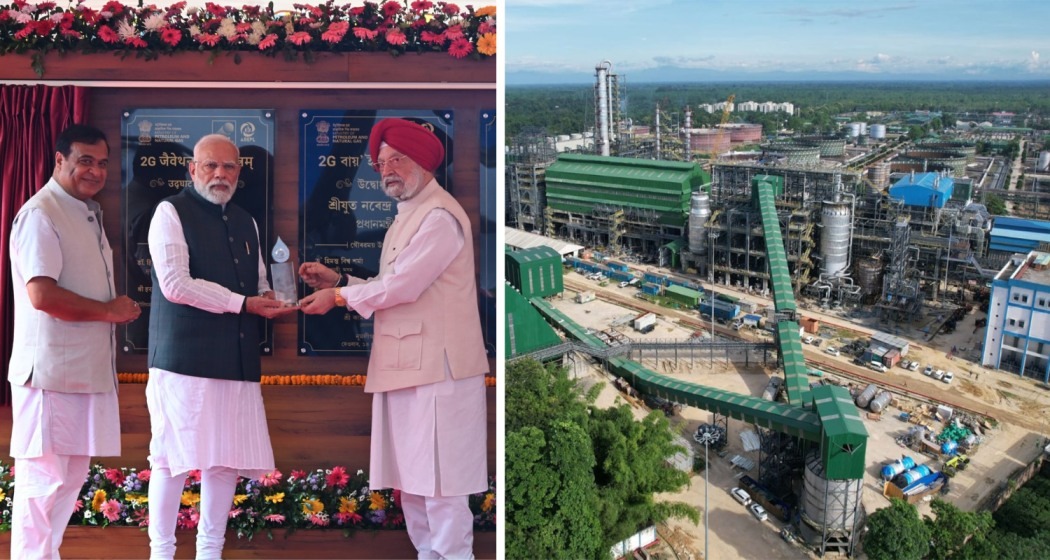
The India First Bamboo Ethanol Plant directly benefits local communities by creating a reliable market for bamboo. Farmers and tribal groups who traditionally relied on subsistence agriculture can now earn additional income from bamboo cultivation. This initiative supports sustainable livelihoods while encouraging environmentally responsible practices.
Furthermore, the project promotes skill development in bioethanol production, logistics, and quality control, enabling local workers to participate in a growing renewable energy sector. By linking economic growth with sustainable resource use, the plant sets a model for future green projects across India.
Regional Industrial Development
Alongside renewable energy, the India First Bamboo Ethanol Plant complements regional industrial expansion. The foundation of the polypropylene plant aims to produce high-demand plastic raw materials, creating a synergy between energy and manufacturing sectors. This dual development strategy strengthens Assam’s position as a hub for industrial innovation while advancing national self-reliance objectives.
India First Bamboo Ethanol Plant demonstrates how renewable energy projects can simultaneously drive environmental sustainability, economic growth, and social development. With increasing global focus on clean energy, such initiatives position India as a forward-thinking nation in both technology and sustainable development.