Balaghat Grain Pilot: How a Cooperative Storage Plan Is Changing Rural Agriculture

The Balaghat Grain Pilot has placed Balaghat district in the national spotlight as a testing ground for a new approach to grain storage in India. Located in Madhya Pradesh, Balaghat has been selected as the pilot district under the World’s Largest Grain Storage Plan in the Cooperative Sector. This initiative aims to bring modern, scientific storage facilities closer to farmers by strengthening cooperatives at the village level.
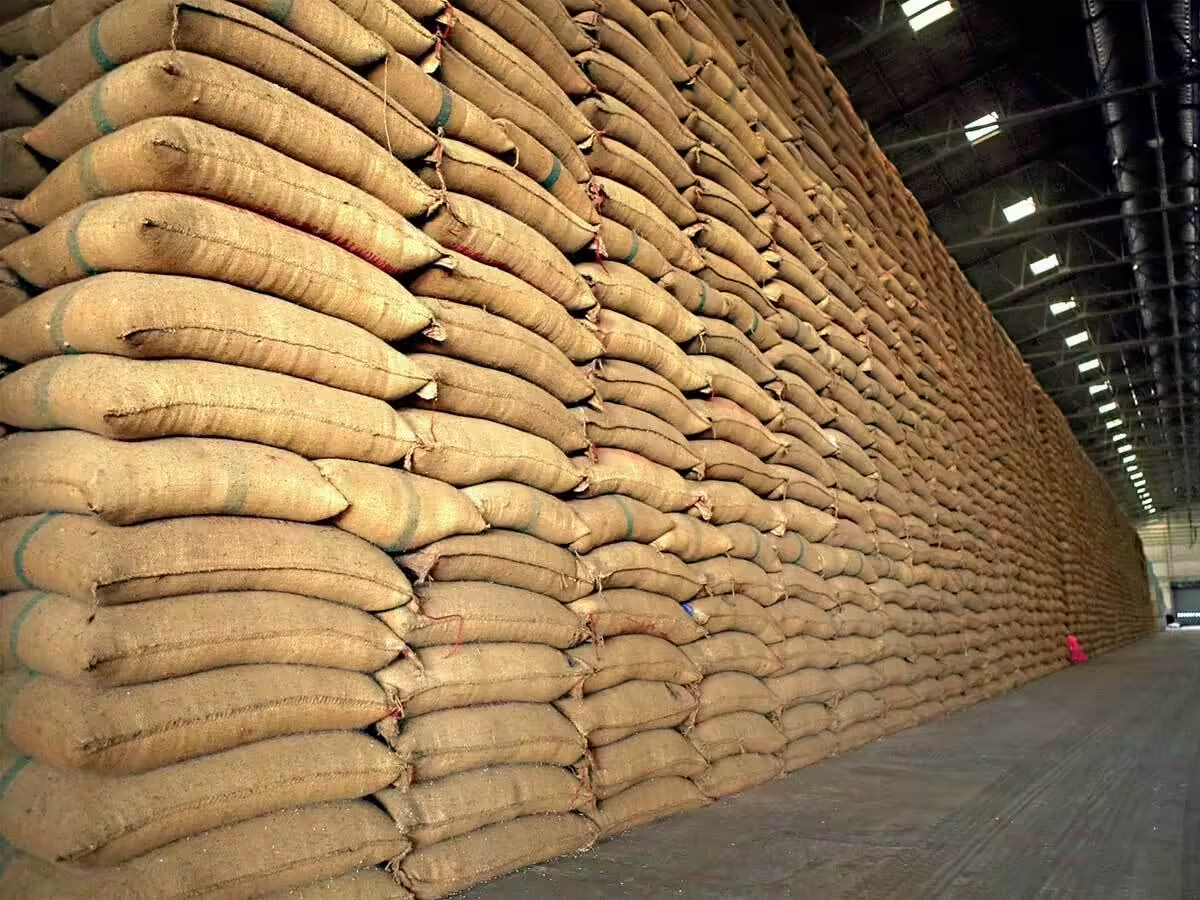
Thank you for reading this post, don't forget to subscribe!At the heart of this pilot is a newly built 500 metric tonne grain godown at the Bahudeshiya Prathamik Krishi Saakh Sahakari Society Maryadit in Parswada. The facility was inaugurated on 24 February 2024 by the Prime Minister of India and has been hired by the Madhya Pradesh Warehousing and Logistics Corporation. This marks a clear shift toward decentralised grain storage, where facilities are developed at the Primary Agricultural Credit Society (PACS) level instead of being limited to large, distant warehouses.
Why Balaghat Was Chosen
Balaghat is largely an agrarian district with a high number of small and marginal farmers. These farmers often face challenges such as lack of nearby storage, dependence on middlemen, and pressure to sell crops immediately after harvest. By choosing Balaghat for the pilot, policymakers aim to test how village-level storage can reduce these long-standing problems and improve farmers’ incomes.
The Balaghat Grain Pilot is designed not just as a construction project, but as a complete system that links storage, credit, and market access. The local PACS plays a central role, ensuring that the benefits reach farmers directly.
Decentralised Storage at the PACS Level
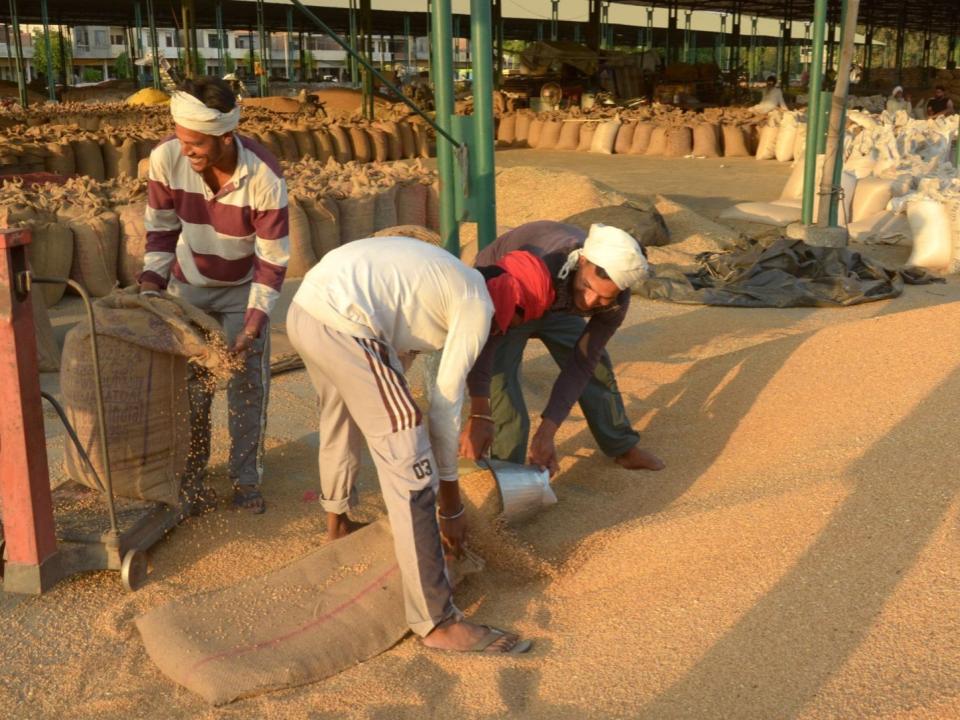
One of the most important features of the Balaghat Grain Pilot is decentralisation. Instead of transporting grain over long distances to government warehouses or mandis, farmers can now store their produce close to their fields. This reduces transport costs, saves time, and lowers the risk of damage or spoilage.
Local storage also allows farmers to use their stored grain as collateral for short-term loans. With access to pledge financing, they are no longer forced to sell their crops immediately after harvest when prices are often low. This flexibility helps farmers wait for better market conditions and improve price realisation.
Implementation Through Scheme Convergence
The success of the Balaghat Grain Pilot depends on the smart use of existing government schemes. Rather than launching a completely new programme, the initiative brings together multiple schemes to support storage infrastructure.
The Agriculture Infrastructure Fund provides interest subvention on loans taken by PACS for building godowns. To make participation easier, the loan repayment period has been extended from the earlier 2+5 years to 2+8 years. This gives cooperatives more time and financial comfort to repay loans.
Support also comes from the Agricultural Marketing Infrastructure Scheme, which offers subsidies for foodgrain storage projects. Other schemes such as the Sub Mission on Agricultural Mechanization and the Pradhan Mantri Formalization of Micro Food Processing Enterprises add further support by improving farm operations and encouraging value addition.
Revised Subsidies and Financial Support
Several financial rules have been revised under the Balaghat Grain Pilot to attract stronger participation from PACS. The margin money requirement under the Agricultural Marketing Infrastructure Scheme has been reduced from 20 percent to 10 percent. This significantly lowers the upfront financial burden on cooperatives.
Construction cost norms have also been updated. Eligible assistance now covers costs of ₹7,000 per metric tonne in plain areas and ₹8,000 per metric tonne in northeastern states. For PACS, the subsidy rate has been increased from 25 percent to 33.33 percent. In practical terms, this means higher financial support per tonne of storage capacity.
In addition, PACS can receive extra subsidy support for related infrastructure such as internal roads, weighbridges, and boundary walls. These facilities improve the overall efficiency and safety of storage operations.
Reducing Losses and Improving Farmer Income
Post-harvest losses remain a major issue in Indian agriculture. Poor storage conditions often lead to spoilage, pest attacks, and quality deterioration. The Balaghat Grain Pilot addresses this problem by promoting scientific storage methods at the local level.
With better storage, farmers can preserve grain quality for longer periods. This not only reduces losses but also improves the value of their produce in the market. Reduced transportation to distant warehouses further cuts fuel costs and handling losses.
For small and marginal farmers, these changes can make a significant difference. Lower costs, better prices, and easier access to credit together help stabilise farm incomes and reduce financial stress.
Strengthening the Cooperative Model
Another key outcome of the Balaghat Grain Pilot is the strengthening of the cooperative structure. PACS are not just service providers but active partners in rural development. By managing storage facilities, cooperatives gain new sources of income and relevance in the local economy.
This approach also encourages transparency and collective decision-making. Farmers, as members of the cooperative, have a direct stake in how the storage facility is managed and used.
A Model for the Future
The experience from Balaghat is expected to guide the expansion of the grain storage plan across other districts and states. If successful, the model can transform how agricultural produce is stored and marketed in India.
By combining financial incentives, infrastructure development, and cooperative participation, the Balaghat Grain Pilot shows how targeted policy action can solve real problems at the grassroots level. As the pilot progresses, it offers valuable lessons for building a more resilient, farmer-friendly agricultural supply chain across the country.