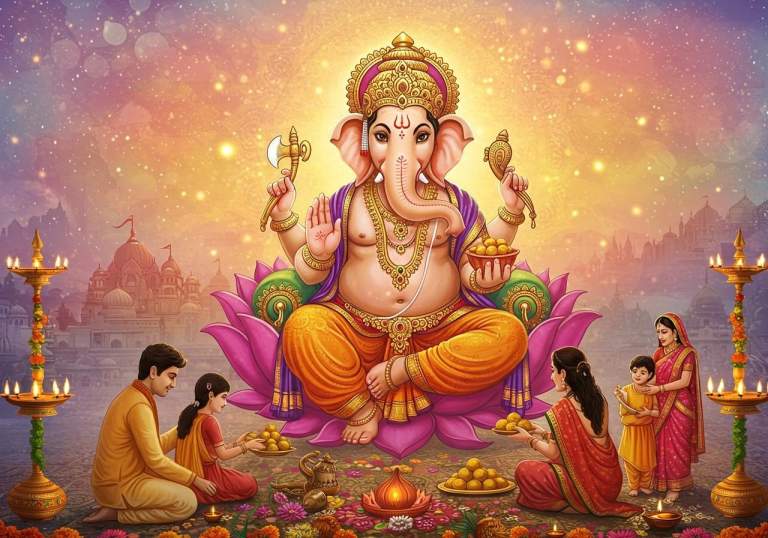
Govardhan Puja: Celebrating the Divine Glory of Lord Krishna

Govardhan Puja is one of the most auspicious and vibrant festivals in India, celebrated primarily by Hindus with devotion, enthusiasm, and grandeur. Observed on the fourth day of Diwali, the festival honors Lord Krishna’s legendary act of lifting the Govardhan Hill to protect the villagers of Vrindavan from torrential rains sent by Indra, the king of gods. The day is also called Annakut in many regions, signifying the offering of a mountain of food to Lord Krishna as a gesture of gratitude. Govardhan Puja is not only a religious observance but also a cultural celebration that emphasizes harmony with nature, devotion, and communal bonding.
Thank you for reading this post, don't forget to subscribe!Historical Significance of Govardhan Puja
The origin of Govardhan Puja is rooted in ancient Hindu mythology. According to the scriptures, the people of Vrindavan used to offer prayers and sacrifices to Indra, the rain god, to ensure timely rainfall for their crops. Observing the devotion of the villagers, Lord Krishna suggested that instead of worshipping Indra, they should worship Govardhan Hill, which provides grass, water, and shelter for their cattle and sustenance for the community.
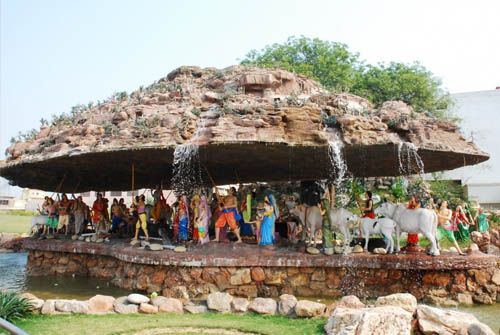
When the villagers followed Krishna’s advice, Indra grew furious and unleashed heavy rains on Vrindavan. In response, Krishna lifted the Govardhan Hill on his little finger, creating a giant umbrella to protect the villagers and their cattle from the deluge. This miraculous act of Lord Krishna symbolizes the power of devotion, faith, and righteousness over ego and arrogance. Govardhan Puja commemorates this event, reminding devotees of the importance of respecting nature and recognizing divine protection.
When and How is Govardhan Puja Celebrated?
Govardhan Puja falls on Shukla Paksha Chaturdashi (the 14th day of the waxing moon) in the Hindu month of Kartik, immediately after the festival of Diwali. The festival is celebrated with different customs across India, reflecting regional traditions and cultural diversity.
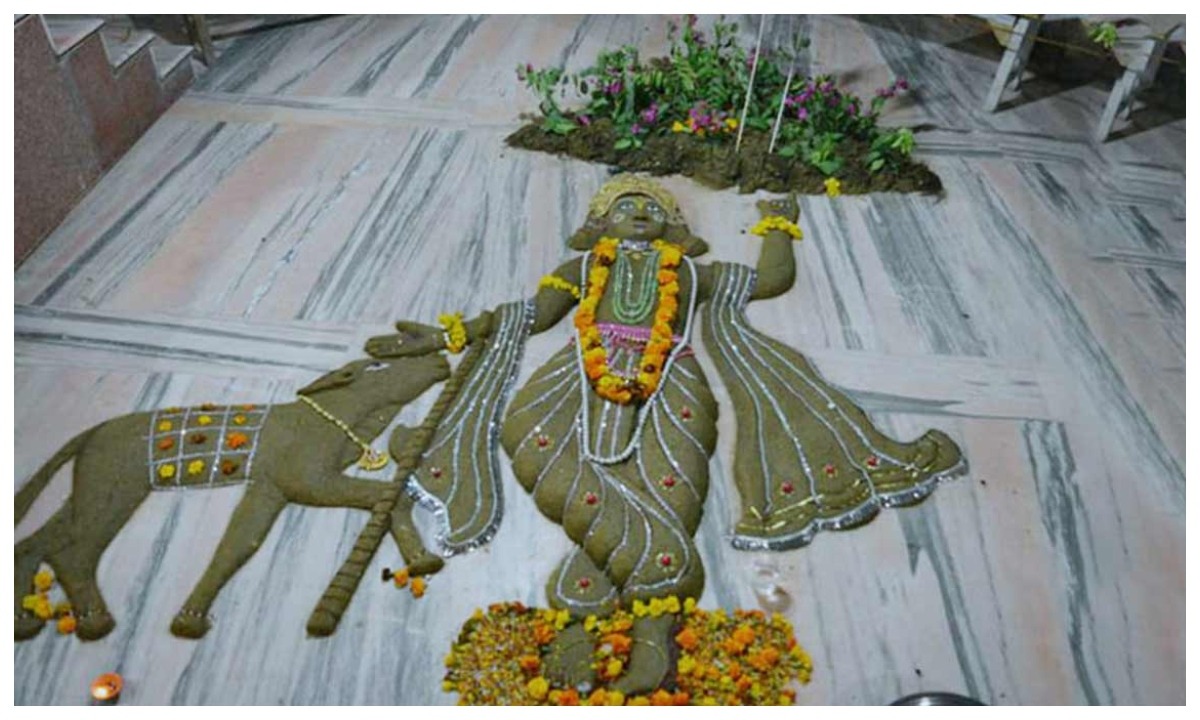
In North India, devotees build a small hillock made of cow dung, symbolizing Govardhan Hill, and decorate it with flowers, grass, and miniature figurines of cows and villagers. The hillock is then worshipped with rituals, prayers, and offerings of food.
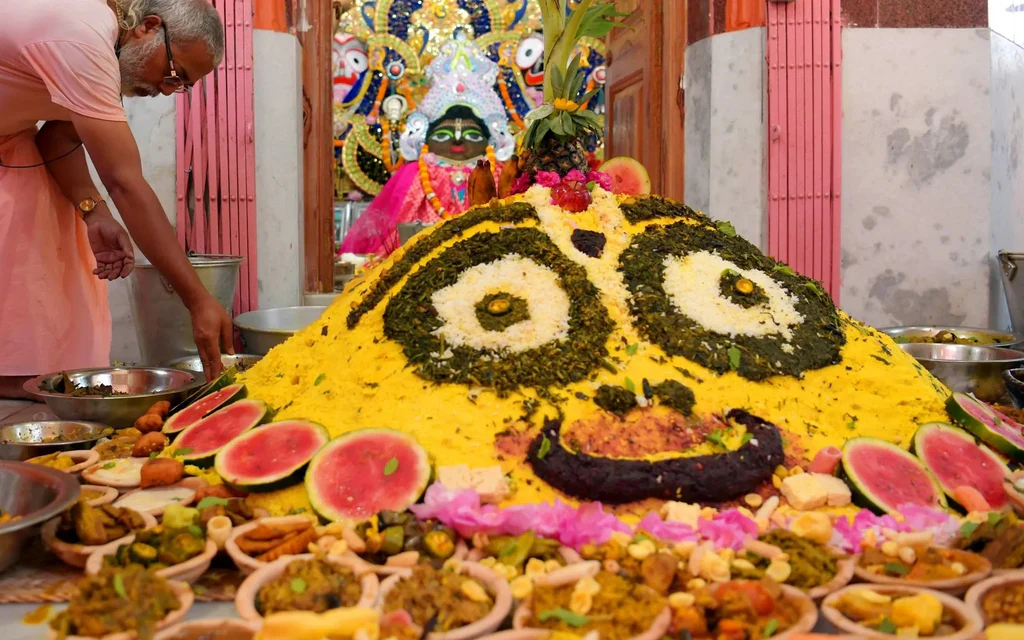
In Maharashtra and Gujarat, the day is celebrated as Annakut, where people prepare a vast array of vegetarian dishes and present them to Lord Krishna. Temples and homes organize bhog offerings, consisting of hundreds of food items, arranged beautifully in tiers, representing the mountain of food offered to Krishna.
In Rajasthan, Govardhan Puja is observed with unique folk dances, devotional songs, and community gatherings. The tradition of Govardhan Parikrama, circumambulating a sacred hill or mound, is practiced in certain regions to honor the spiritual significance of the festival.
Rituals and Traditions of Govardhan Puja
Govardhan Puja is marked by a variety of rituals that blend devotion, creativity, and community participation. Here are some prominent customs:
1. Building the Govardhan Hill
One of the most distinctive rituals is the creation of miniature Govardhan Hills using cow dung. Devotees shape the hill into a mound, often accompanied by small figurines of cows, villagers, and Krishna. The hill is then decorated with flowers, grass, grains, and colorful powders. This ritual symbolizes gratitude towards nature, particularly cows, which hold a sacred place in Hindu tradition.
2. Offering Food (Annakut)
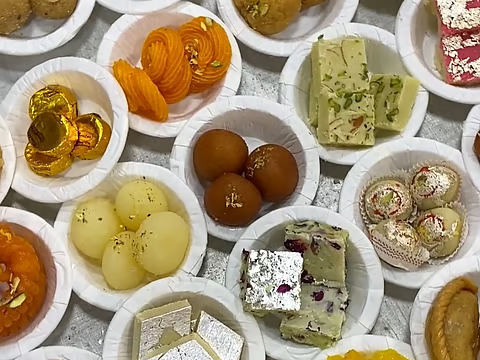
Food offerings are central to Govardhan Puja celebrations. Devotees prepare Annakut, a variety of vegetarian dishes made from rice, lentils, vegetables, sweets, and fruits. These offerings are arranged in tiers to resemble a mountain, representing the abundance provided by Govardhan Hill. After the offering, the food is distributed among devotees as prasad, considered a sacred blessing from Lord Krishna.
3. Worshipping Cows
Cows, regarded as sacred in Hinduism, are worshipped on Govardhan Puja. They are bathed, adorned with flowers, and offered special food. This practice honors the integral role of cows in agrarian society and their symbolic connection with Krishna, who is often depicted as a cowherd.
4. Devotional Songs and Bhajans
Devotees sing bhajans and kirtans dedicated to Lord Krishna, recounting his childhood deeds, particularly the lifting of Govardhan Hill. These songs create a spiritual atmosphere and strengthen communal ties as people gather to sing, dance, and celebrate together.
5. Govardhan Parikrama
In some regions, devotees perform a circumambulation (parikrama) of the miniature hill or nearby sacred sites. This ritual symbolizes respect, devotion, and surrender to divine protection. It is believed that performing Govardhan Parikrama with devotion brings blessings, prosperity, and protection from misfortune.
Cultural Significance of Govardhan Puja
Beyond its religious aspects, Govardhan Puja carries profound cultural and ecological messages:
- Respect for Nature: By worshipping Govardhan Hill, the festival emphasizes the importance of nature in sustaining life and urges humanity to live harmoniously with the environment.
- Community Bonding: The festival fosters community participation through shared rituals, collective food preparation, and group prayers, strengthening social cohesion.
- Devotion and Faith: The story of Krishna lifting the hill teaches that faith, courage, and devotion can overcome even the most formidable challenges.
- Sustainable Practices: Traditional rituals involve using natural materials like cow dung, flowers, and grains, reflecting eco-friendly practices.
Regional Variations of Govardhan Puja
Govardhan Puja is celebrated differently across India, with unique customs reflecting local traditions:
- Uttar Pradesh: In Mathura and Vrindavan, Krishna’s birthplace, grand celebrations are organized. Temples create elaborate Govardhan Hill replicas, and thousands of devotees participate in prayers and cultural programs.
- Gujarat: In Gujarat, the festival is celebrated with colorful rangoli designs, folk dances like Garba, and massive Annakut offerings in temples.
- Rajasthan: In Jaipur and surrounding areas, Govardhan Puja features processions, devotional songs, and local fairs, highlighting the rich cultural heritage.
- Maharashtra: Devotees prepare Annakut at home and temples, emphasizing communal harmony and devotion.
Govardhan Puja in Modern Times
In contemporary India, Govardhan Puja continues to thrive both in traditional and modern forms. Temples and communities organize large-scale events, where thousands of devotees participate in rituals, cultural programs, and charitable activities.
Many urban households now celebrate Govardhan Puja by creating miniature hillocks indoors, using eco-friendly materials and offering simple vegetarian dishes. Social media platforms also play a role in spreading awareness about the festival, its significance, and sustainable celebration practices.
Additionally, Govardhan Puja serves as a reminder of the importance of sustainable living, environmental conservation, and respect for animals. By connecting with cultural roots, devotees reflect on the values of gratitude, devotion, and harmony with nature.
Famous Temples Celebrating Govardhan Puja
Several temples in India are renowned for their elaborate Govardhan Puja celebrations:
- Govardhan Hill, Vrindavan: Considered the original site of Krishna’s miracle, thousands of devotees perform Govardhan Parikrama every year.
- Banke Bihari Temple, Vrindavan: Famous for Annakut offerings and devotional singing, attracting devotees from across the world.
- ISKCON Temples: Worldwide ISKCON temples celebrate Govardhan Puja with colorful Annakut arrangements, cultural programs, and community meals.
Spiritual Lessons from Govardhan Puja
Govardhan Puja is not just a ritualistic celebration; it carries deeper spiritual teachings:
- Faith in Divine Protection: Krishna’s lifting of Govardhan Hill reminds devotees that the divine protects those who are righteous and devoted.
- Humility and Gratitude: The festival teaches respect for nature, animals, and the environment, emphasizing gratitude for life’s sustenance.
- Strength in Community: Celebrating together strengthens bonds and encourages mutual support in times of difficulty.
- Simplicity in Devotion: True devotion is reflected in simple acts of faith, such as worshipping a hillock or offering food with sincerity.
Conclusion
Govardhan Puja is a festival that beautifully combines devotion, culture, and environmental awareness. It celebrates the divine deeds of Lord Krishna while imparting timeless lessons about faith, gratitude, and harmony with nature. Whether celebrated in the villages of Vrindavan or urban homes across India, the festival continues to inspire millions with its spiritual and cultural significance. By observing Govardhan Puja, devotees not only honor tradition but also embrace values that are relevant in contemporary life sustainability, community, and reverence for the natural world.
Frequently Asked Questions (FAQs) about Govardhan Puja
1. What is Govardhan Puja?
Govardhan Puja is a Hindu festival celebrated on the fourth day of Diwali, commemorating Lord Krishna’s lifting of Govardhan Hill to protect the villagers of Vrindavan from torrential rains. It is also known as Annakut, symbolizing the offering of a mountain of food to Krishna.
2. When is Govardhan Puja celebrated?
Govardhan Puja falls on Shukla Paksha Chaturdashi (the 14th day of the waxing moon) in the Hindu month of Kartik, immediately after Diwali. The exact date varies according to the Hindu lunar calendar.
3. Why is Govardhan Puja celebrated?
The festival celebrates Lord Krishna’s devotion to protecting his devotees and emphasizes respect for nature. It reminds people to worship natural resources like Govardhan Hill and cows, rather than only deities like Indra.
4. What are the main rituals of Govardhan Puja?
Key rituals include:
- Building a miniature Govardhan Hill using cow dung and decorating it.
- Preparing and offering Annakut, a variety of vegetarian foods.
- Worshipping cows and feeding them special treats.
- Singing devotional songs (bhajans) and performing Govardhan Parikrama (circumambulation).
5. What is Annakut in Govardhan Puja?
Annakut, meaning “mountain of food,” is the offering of hundreds of vegetarian dishes to Lord Krishna. It symbolizes gratitude for sustenance and divine blessings.
6. How is Govardhan Puja celebrated in different regions of India?
- Vrindavan and Mathura: Grand temple celebrations, Govardhan Parikrama, and elaborate Annakut offerings.
- Gujarat and Maharashtra: Folk dances, rangoli designs, and community Annakut celebrations.
- Rajasthan: Processions, cultural fairs, and devotional singing.
7. Is Govardhan Puja connected to Diwali?
Yes, it is celebrated immediately after Diwali, forming part of the five-day festival of lights. While Diwali honors Goddess Lakshmi, Govardhan Puja focuses on Lord Krishna and his protection of devotees.
8. Can Govardhan Puja be celebrated at home?
Absolutely! Devotees can build a small Govardhan hill using cow dung or clay, decorate it with flowers and grains, prepare vegetarian dishes for Annakut, and perform prayers at home.
9. What is the spiritual significance of Govardhan Puja?
The festival teaches devotion, faith, and humility. It reminds devotees of the importance of nature, animals, and community, highlighting that true protection and prosperity come from divine blessings and righteous living.
10. Are cows worshipped during Govardhan Puja?
Yes, cows are considered sacred in Hinduism and are worshipped on this day. They are bathed, adorned, and offered food as a symbol of respect and gratitude.