
Boda Tyohar Hati Tribe Culture: A Living Festival of Faith, Family and Identity

Boda Tyohar Hati Tribe Culture comes alive every year in the hills of Himachal Pradesh when the Hati community begins its most important and longest cultural celebration. The month-long tribal festival, known as Boda Tyohar, has recently commenced with deep traditional spirit in Nahan and across the Trans-Giri region of Sirmour district. For more than three lakh members of the Hati tribe, this festival is not just a celebration but a reflection of their history, beliefs, social values and strong community bonds.
A Festival That Defines the Hati Identity
Boda Tyohar is the biggest annual cultural event of the Hati tribe. It is also called Magho ko Tyohar and holds a central place in the social and religious life of the community. According to community elders and cultural scholars, the festival preserves many ancient practices that have been passed down through generations. These traditions clearly show the distinct identity of the Hati people, who live mainly in the Trans-Giri area of Himachal Pradesh.

The festival is celebrated across 154 panchayats in the region. Its influence also reaches the Jaunsar Babar tribal belt of Uttarakhand and parts of upper Shimla, Choupal tehsil and Kinnaur district. This wide spread shows how deeply rooted the Boda Tyohar Hati Tribe Culture is across the western Himalayan region.
When the Celebrations Begin
The celebrations begin on the eve of Posh Dwadashi. From this day, villages slowly move into a festive rhythm that continues for an entire month. The festival is divided into three smaller phases, each with its own rituals and community activities. Every phase adds meaning to the overall celebration and keeps people connected throughout the month.
Homes are cleaned, courtyards are prepared, and families get ready to welcome relatives and guests. The atmosphere changes as traditional songs, drum beats and shared meals become part of daily life.
Rituals Rooted in Faith
The first phase of Boda Tyohar begins with Bhatioj. On this day, families prepare traditional dishes such as Pude, Bedoli, Patanday, Dhroti and Gudoli. These foods are first offered to village and clan deities as a sign of respect and gratitude. Only after the offerings are made do families share the food among themselves.
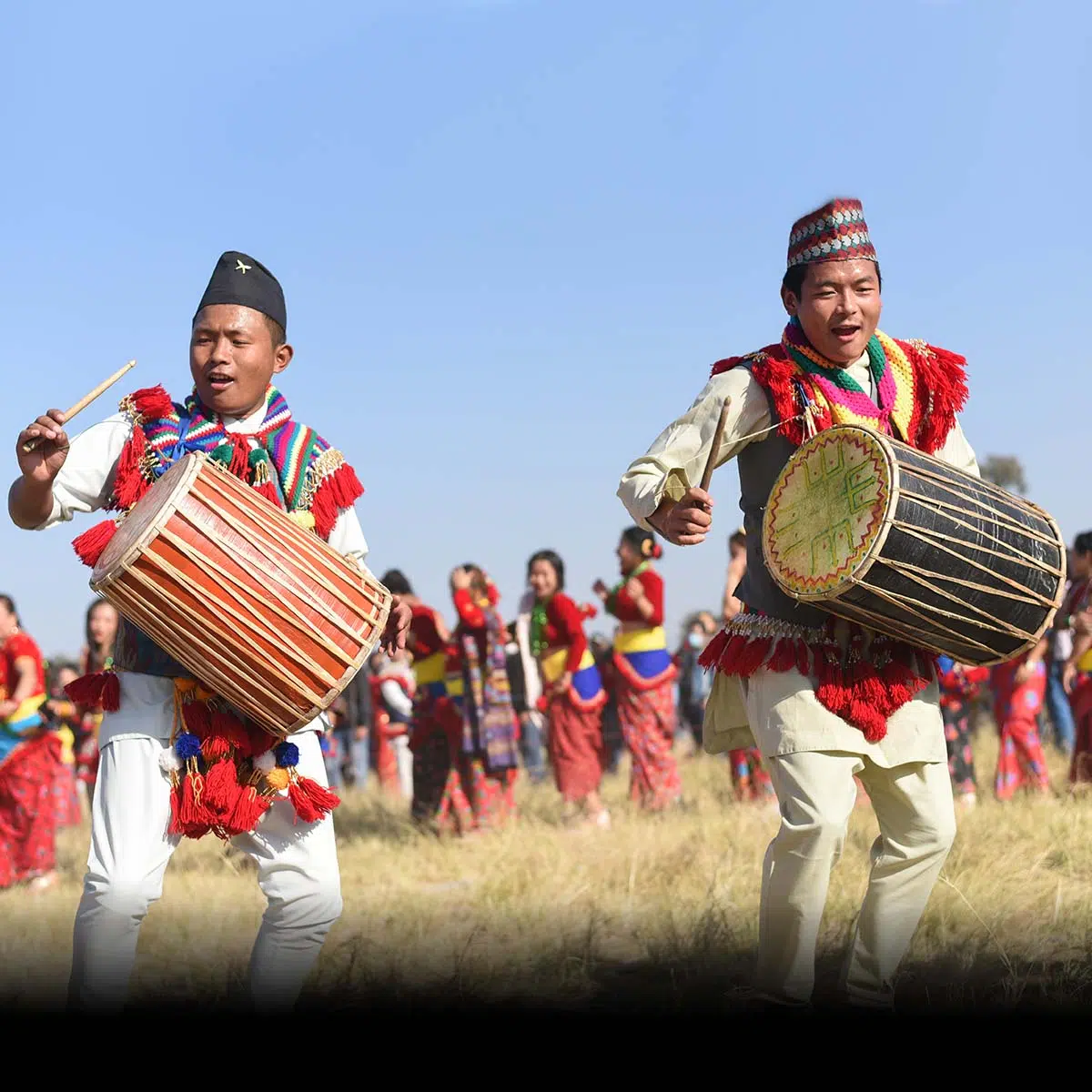
Many villages start their celebrations at local temples. Deities such as Shirgul Maharaj, Bijat Maharaj and Mahasu Maharaj are worshipped with great devotion. In several places, the Sanjha Angan, located near the shrine of Thari Devi, becomes the main gathering point. Here, people come together every evening for singing and dancing, strengthening social ties and shared faith.
Music, Dance and Community Life
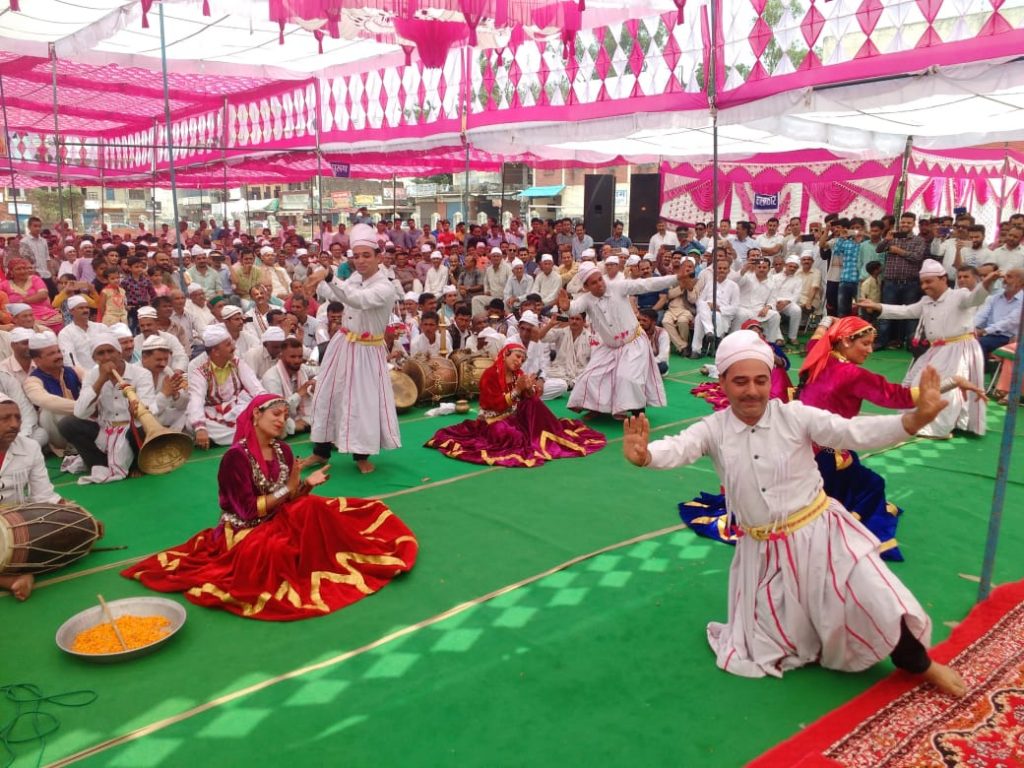
Throughout the month, community gatherings play a major role in Boda Tyohar Hati Tribe Culture. Men and women participate together in folk songs and traditional dances. These performances are not staged events but natural expressions of joy and belonging. Elders guide the younger generation, teaching them songs, stories and customs that might otherwise be forgotten.
The open gatherings also provide a space where disputes are settled, friendships are renewed and collective decisions are discussed. In this way, the festival supports not only cultural life but also social harmony.
Honouring Women and Family Bonds
One of the most important aspects of Boda Tyohar is its strong focus on women and family relationships. The festival symbolises respect for women and recognises their central role in Hati society. During this time, brothers visit their married sisters with a special gift known as Saje ka Duna. In return, sisters traditionally come back to their parental homes and are welcomed with great honour.
In every household, a portion of meat is carefully preserved until the sisters arrive. This custom shows the importance given to their presence. Families believe that the festival is incomplete without the participation of daughters and sisters.
Boda Tyohar Hati Tribe Culture and the Day of Khoda
The eighth day of the festival is marked by Khoda, one of the most significant events of Boda Tyohar. On this day, large family feasts are organised. Relatives, neighbours and guests gather to share food and stories. A special tradition during Khoda is the serving of a cooked heart of a male goat to the most respected guest. This act symbolises honour, trust and deep respect within the community.
Khoda strengthens bonds not just within families but across the entire village. It reminds people of shared responsibilities and mutual care.
Shared Meals and Open Homes
After Khoda, the tradition of Boidoot begins. During this phase, each household takes turns hosting villagers and relatives for communal meals. Doors remain open, and no one is turned away. This practice highlights the spirit of equality and generosity that defines Boda Tyohar Hati Tribe Culture.
For many researchers and cultural observers, Boidoot is a living example of community-based living. It shows how traditions can promote unity and reduce social distance.
Recognition and Cultural Pride
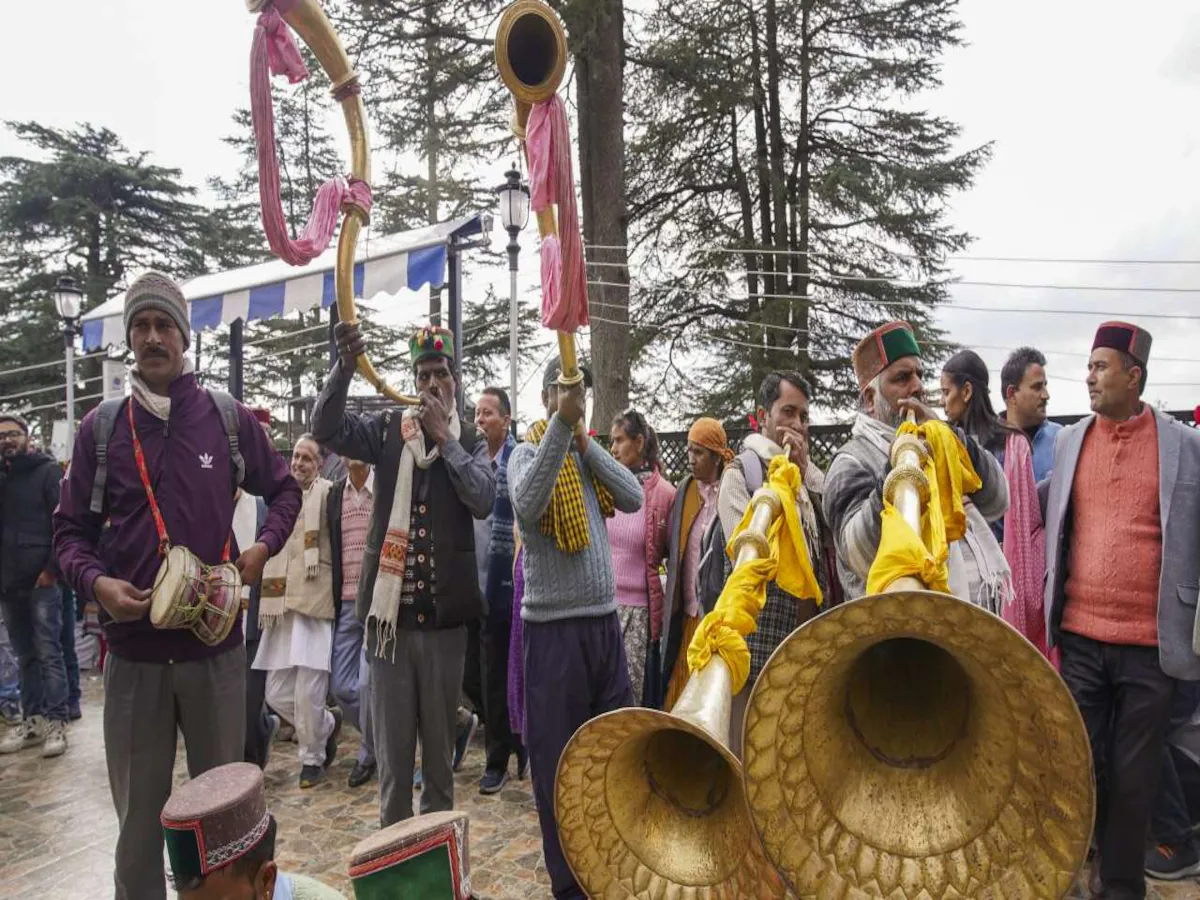
The celebration of Boda Tyohar has gained even more importance after the Hati community was officially recognised as a Scheduled Tribe in August 2023. This recognition came after a long movement that lasted more than five decades. Since then, there has been renewed interest in documenting and preserving Hati traditions.
Cultural researchers continue to study Boda Tyohar to understand its rituals, social values and role in maintaining identity. For the Hati people, however, the festival is not just about recognition or documentation. It is about living their culture with pride, passing it on to future generations and staying connected to their roots.
Through faith, food, music and family, Boda Tyohar remains a powerful symbol of the Hati tribe’s living heritage.