


BrahMos Belt Strategy

BrahMos Belt refers to a proposed network of coastal defence systems involving BrahMos supersonic cruise missiles in parts of Southeast Asia around the South China Sea. The idea has gained attention as India expands its defence exports and strengthens security cooperation with countries in the Indo-Pacific region. The BrahMos missile is jointly developed by India and Russia and has already become an important part of India’s defence export efforts.
What Is the BrahMos Belt?
The term BrahMos Belt is used to describe a possible chain of BrahMos-equipped coastal defence systems across countries in Southeast Asia. Such systems could help countries protect important coastal areas and monitor maritime activity.

The concept is linked to the growing strategic importance of the South China Sea and nearby waters. The region has major shipping routes and is important for international trade. Several Southeast Asian countries are also strengthening their maritime security capabilities as tensions and competition in the Indo-Pacific continue.
The idea does not represent a single formal military alliance. Instead, it describes the possible spread of BrahMos coastal defence systems among friendly countries.
BrahMos Missile System
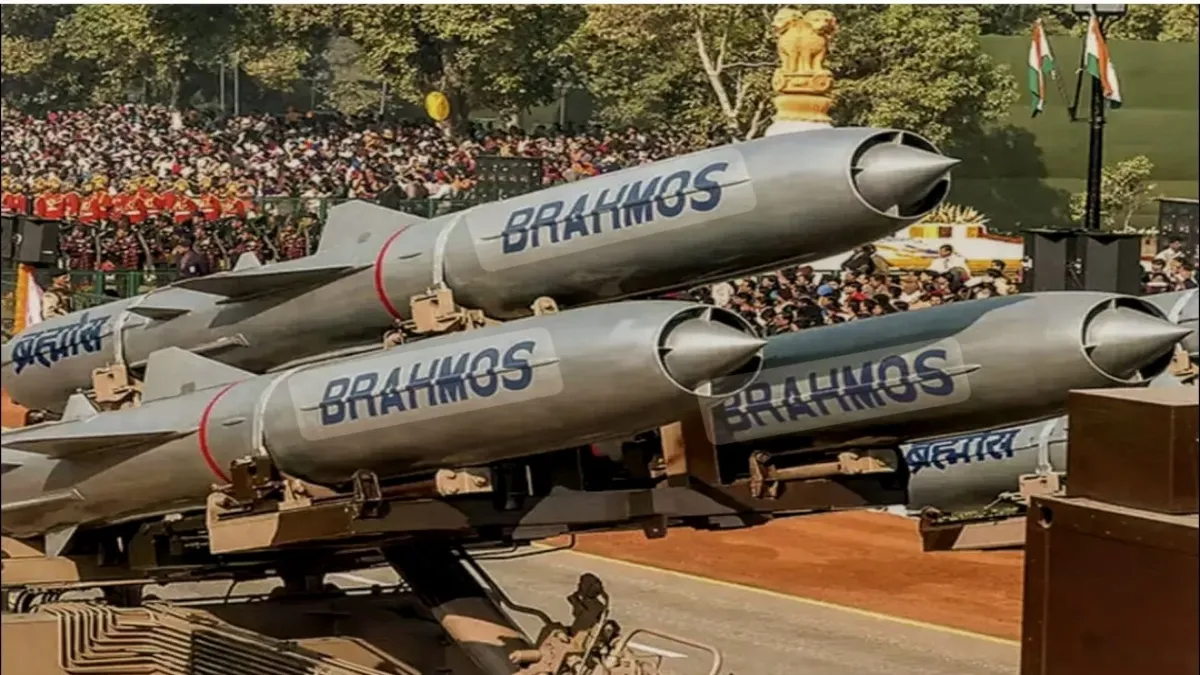
BrahMos is a supersonic cruise missile developed by BrahMos Aerospace, a joint venture between India and Russia. The name BrahMos comes from the Brahmaputra River of India and the Moskva River of Russia.
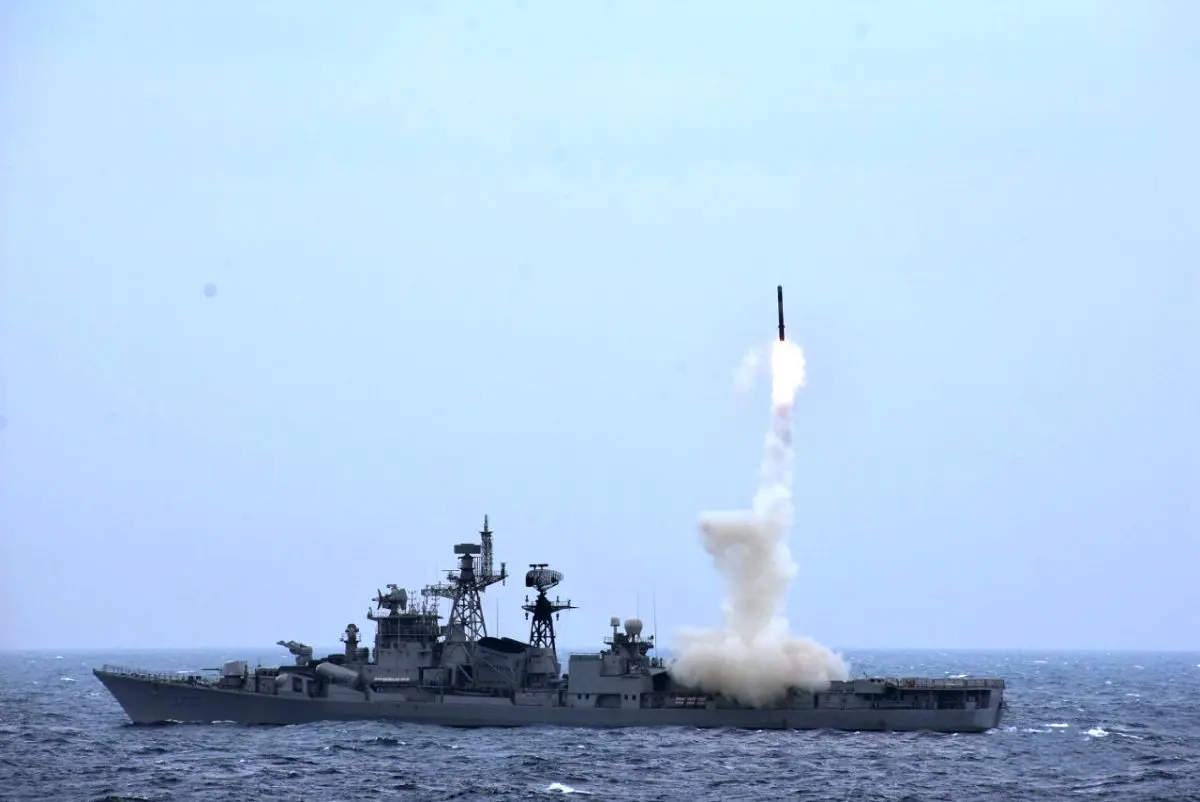
The missile is known for its high speed and low-altitude sea-skimming flight profile. Its ability to travel close to the surface of the sea can make detection more difficult for an opposing force.
BrahMos has been developed in several versions. These include land-based, ship-launched, submarine-launched and air-launched variants. The shore-based version is particularly important for coastal defence because it can be used to target hostile ships from land.
Philippines Becomes an Important Export Partner
The BrahMos Belt discussion gained greater attention after the Philippines became the first foreign customer for the BrahMos shore-based anti-ship system.
The Philippines signed a contract worth about $375 million with India for the missile system. The delivery of the system marked an important step in India’s efforts to become a larger defence equipment exporter.
The Philippine military can use the coastal missile batteries to strengthen its maritime defence capabilities. The country’s location, surrounded by important waterways, makes coastal surveillance and protection a major security priority.
The BrahMos deal also demonstrated India’s growing ability to offer advanced defence systems to countries outside its traditional defence market.
Interest from Other Southeast Asian Countries
Other countries in the region have been associated with discussions about the BrahMos system. Vietnam and Indonesia have been linked to possible procurement discussions, although the status and progress of such engagements can change over time.
Thailand has also been reported as having evaluated BrahMos for possible coastal defence applications. Its geographical position gives it access to the Andaman Sea and the Gulf of Thailand, both of which are connected to wider maritime routes in the Indo-Pacific.
Any future purchases by additional countries would further expand the presence of Indian-made BrahMos systems in Southeast Asia.
South China Sea Adds Strategic Importance
The South China Sea is one of the world’s most important maritime regions. It connects major economies in East and Southeast Asia and carries a large volume of international shipping.
The region is also affected by territorial disputes involving several countries. China, the Philippines, Vietnam, Malaysia, Brunei and Taiwan have competing claims in different parts of the sea.
Against this background, countries in the region are investing in coastal surveillance, naval vessels, aircraft and missile systems. Long-range coastal missiles can provide another layer of defence by allowing countries to respond to threats approaching their territorial waters.
India-Russia Cooperation Continues
The BrahMos Belt also reflects the long-running defence partnership between India and Russia. BrahMos Aerospace has developed the missile system through cooperation between the two countries.
India has gradually increased its role in the design, production and integration of the system. Newer versions of BrahMos are being developed with improvements in range, accuracy and operational capability.
The missile has become one of the best-known examples of India-Russia defence cooperation and is also an important part of India’s defence manufacturing ambitions.
India Expands Defence Exports
India has been trying to increase defence exports as part of its broader push for domestic manufacturing. The government has encouraged Indian defence companies to develop equipment for both domestic use and international markets.
Defence diplomacy has also become an important part of this effort. Indian diplomatic missions are increasingly involved in supporting defence cooperation and discussions with partner countries.
The government has set targets for increasing India’s defence exports and strengthening the country’s position in the international defence market. BrahMos is one of the major systems supporting these efforts.
Focus on the Indo-Pacific
The expansion of BrahMos cooperation comes as India deepens its engagement with the Indo-Pacific region. India has increased defence and maritime cooperation with countries such as the Philippines, Vietnam, Indonesia and other regional partners.
Joint exercises, naval visits, defence technology cooperation and military training are also becoming more common across the region.
For Southeast Asian countries, access to modern coastal defence systems can support their efforts to protect ports, coastlines and maritime infrastructure. For India, defence exports can strengthen strategic partnerships while creating new opportunities for its defence industry.
The growing interest in BrahMos therefore connects India’s defence manufacturing ambitions with wider changes in maritime security across the Indo-Pacific.