



Smriti Mandhana Joins UNICEF India

Smriti Mandhana has been appointed as a celebrity advocate for UNICEF India on 11 October 2026, marking the International Day of the Girl. The Indian cricketer will use her public platform to promote equal opportunities, health and well-being for adolescent girls across India. Her advocacy will also focus on encouraging girls to participate in sports, build confidence and develop their abilities. The appointment brings together women’s cricket and UNICEF’s work to support children’s rights and create better opportunities for young people.
Smriti Mandhana’s New Role as UNICEF India Celebrity Advocate
UNICEF India announced Smriti Mandhana’s appointment on 11 October 2026. As a celebrity advocate, she will support efforts to raise awareness about issues affecting adolescent girls and the opportunities they need to grow and succeed.

Her work will focus on equal opportunities, health, well-being and participation in sports. These areas are important because girls can face different challenges in accessing education, healthcare, safe spaces and sporting facilities.
Mandhana’s role will help bring these issues to a wider audience through her public profile as an international cricketer. Sports personalities can reach young people and families through their achievements, public appearances and messages.
Mandhana has previously supported campaigns by UNICEF and the International Cricket Council related to gender equality and life skills. She has also supported UNICEF’s “Promise to Children” campaign.
Speaking about the appointment, Mandhana expressed the view that every child should have the opportunity to dream big. Her new role gives her another platform to promote the importance of helping children reach their potential.
International Day of the Girl 2026
The appointment was announced on the International Day of the Girl, observed every year on 11 October. The United Nations General Assembly established the international observance in 2011, and the first International Day of the Girl was marked in 2012.
The day highlights the rights, safety, opportunities and leadership of girls. It also draws attention to challenges that can prevent girls from receiving equal opportunities in education, healthcare, employment and public life.
The observance encourages governments, organisations, communities and individuals to take action to improve conditions for girls. This includes helping girls stay in school, access healthcare, participate in sports and develop the skills needed for their future.
UNICEF’s announcement of Mandhana’s appointment on this day connects her public role with the wider effort to improve the lives of girls.
Why Equal Opportunities for Girls Matter
Equal opportunities allow girls to access education, healthcare, sports and other activities without unfair barriers. When girls receive support and encouragement, they have more chances to develop their skills, make decisions and work towards their goals.
Adolescent girls go through important physical, emotional and social changes. Access to accurate health information, suitable healthcare services, nutritious food and a safe environment can support their well-being during this stage of life.
Education is another important part of equal opportunity. It helps girls gain knowledge, build confidence and prepare for future careers. Families, schools and communities all have a role in ensuring that girls can continue learning and take part in different activities.
UNICEF works on children’s rights and development, including health, education, protection and well-being. Mandhana’s advocacy role will help draw public attention to the importance of creating supportive environments for girls across India.
Promoting Girls’ Participation in Sports
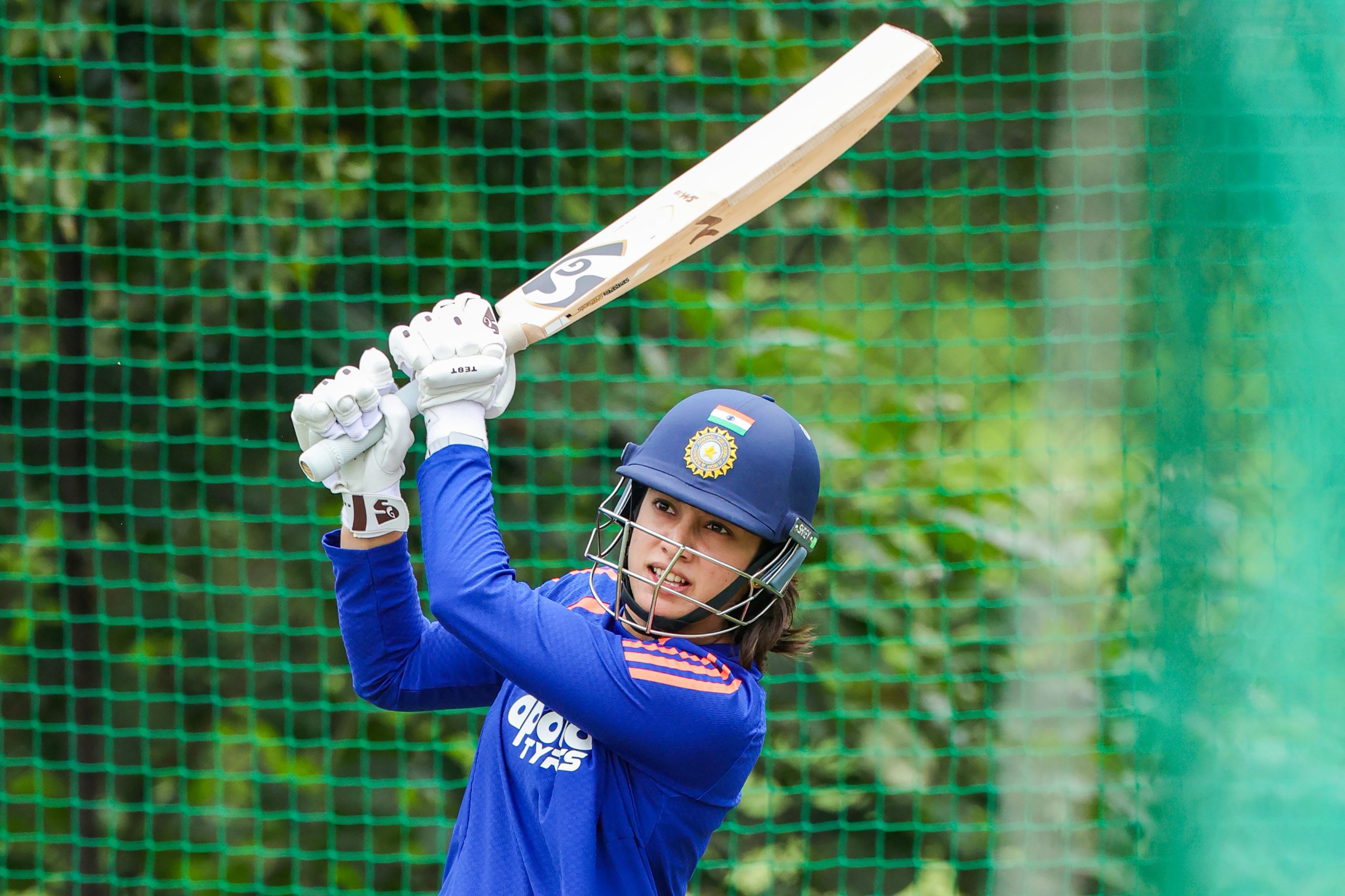
Encouraging girls to take part in sports is one of the key areas of Mandhana’s advocacy role. Sports can help young people develop physical fitness, teamwork, discipline and confidence.
However, some girls face barriers to participation, including limited access to playgrounds, sports equipment, coaching and safe training spaces. Social expectations and a lack of encouragement can also prevent girls from pursuing sporting interests.
Creating equal opportunities in sports means providing girls with access to facilities, training and competitions. It also means ensuring that they can participate in a safe and supportive environment.
Mandhana’s experience as an Indian cricketer gives her a direct connection to this area. Her career can help show young girls that sports can be a path for personal development and professional achievement.
Her advocacy can also encourage parents, schools and local communities to support girls who want to play sports. Greater participation at the grassroots level can help young athletes discover their abilities and gain experience.
Smriti Mandhana and Indian Women’s Cricket
Smriti Mandhana is one of India’s prominent women’s cricketers. Her performances on the international stage have made her a familiar name among cricket followers in India and beyond.
The announcement also comes at a significant point in her cricket career. According to the supplied report, Mandhana was named captain of the Indian women’s cricket team earlier in the same week, following Harmanpreet Kaur’s departure from the captaincy.
Leadership in cricket involves more than individual performance. A captain helps guide the team, communicates with players and contributes to decisions during matches. Mandhana’s reported appointment as captain adds another dimension to her public profile.
Her UNICEF role is separate from her cricket responsibilities, but both positions can place her in front of large audiences. As a celebrity advocate, she can help raise awareness about girls’ opportunities and well-being beyond the sporting field.
Sachin Tendulkar, a UNICEF Regional Goodwill Ambassador for South Asia, welcomed Mandhana to UNICEF India on social media on 11 October 2026, according to the report.
What Is UNICEF?
UNICEF is a United Nations agency that works to protect children’s rights and support their survival, development and well-being. It works with governments, communities and partners in different countries to address issues affecting children.
Its areas of work include healthcare, nutrition, education, clean water, sanitation, child protection and emergency support. UNICEF also works to improve access to services for children and families who face difficult conditions.
The organisation was established in 1946 as the United Nations International Children’s Emergency Fund. It later became known as the United Nations Children’s Fund, while retaining the acronym UNICEF.
The Convention on the Rights of the Child, adopted by the United Nations General Assembly in 1989, sets out the civil, political, economic, social and cultural rights of children. It provides an important international framework for protecting children and supporting their development.
UNICEF’s work includes promoting these rights and encouraging action to ensure that children can grow up safely and access essential services.
How Celebrity Advocates Can Support Children’s Rights
Celebrity advocates can help organisations communicate important messages to wider audiences. Their public recognition can bring attention to issues that might otherwise receive limited coverage.
When public figures speak about education, health, safety and equal opportunities, they can encourage conversations among young people, parents and communities. Their participation can also help make campaigns more visible through interviews, public events and social media.
However, lasting progress requires more than awareness. Girls also need access to reliable healthcare, quality education, safe sporting facilities and protection from discrimination and violence. Families, schools, communities, public institutions and organisations all have roles to play.
Mandhana’s appointment gives UNICEF India an additional public voice for its work with adolescent girls. Her focus on equal opportunities, health, well-being and sports participation reflects the importance of supporting girls in different parts of their lives.
The announcement on the International Day of the Girl places these priorities at the centre of a wider discussion about children’s rights and the opportunities every girl should have to develop her potential.