Buff-tip Moth Ladakh: New Concern for Cold Desert Farming

Buff-tip Moth Ladakh has become a topic of concern after reports linked the insect with agricultural problems in the cold desert region of India. Farmers in Ladakh depend on a short farming season, and any pest outbreak can affect crop production quickly.
Thank you for reading this post, don't forget to subscribe!Buff-tip Moth and Its Identification
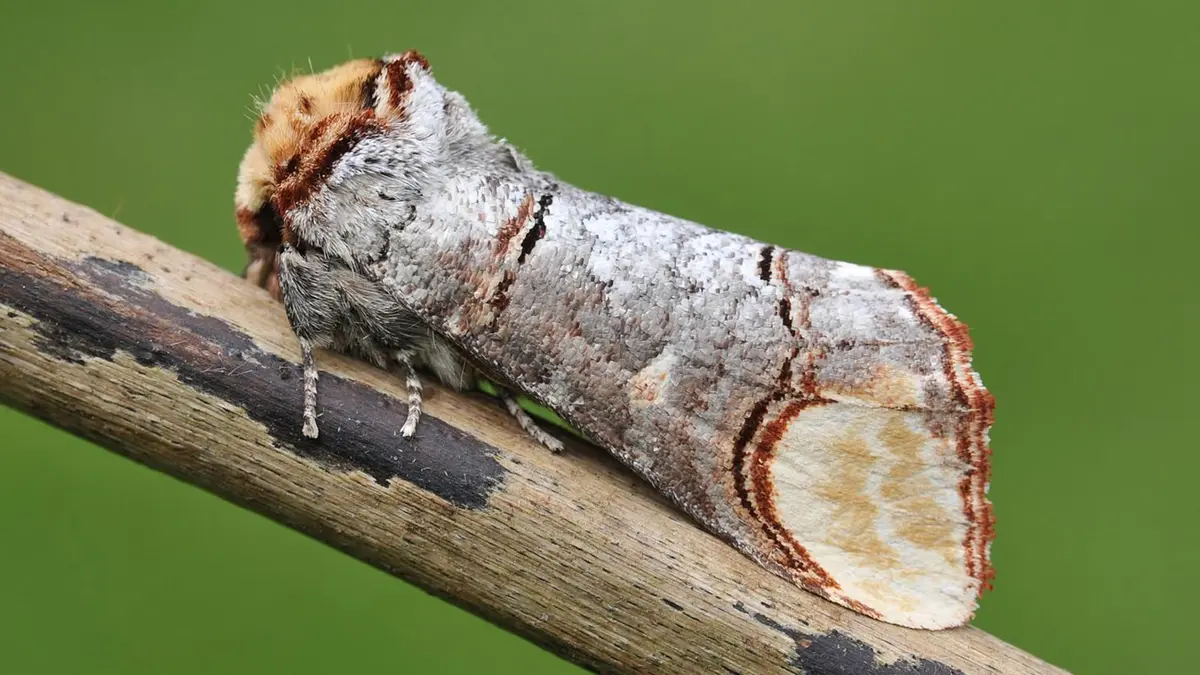
The buff-tip moth, scientifically known as Phalera cf. bucephala, belongs to the Lepidoptera order. This insect is part of the Notodontidae family of moths. The moth is known for its pale buff-coloured wing tips that help it hide in natural surroundings.
Scientists use the term “cf.” in the scientific name when the species identification is not fully confirmed and requires further study. Researchers continue monitoring the insect to understand its exact identity and behaviour in Ladakh.
Buff-tip Moth Ladakh Farming Threat
Ladakh is located in the Trans-Himalayan cold desert region of India. Farming in areas like Leh and Kargil depends on a very short summer growing season. Crops such as barley, wheat, peas, and vegetables are grown using glacier meltwater and small irrigation channels.
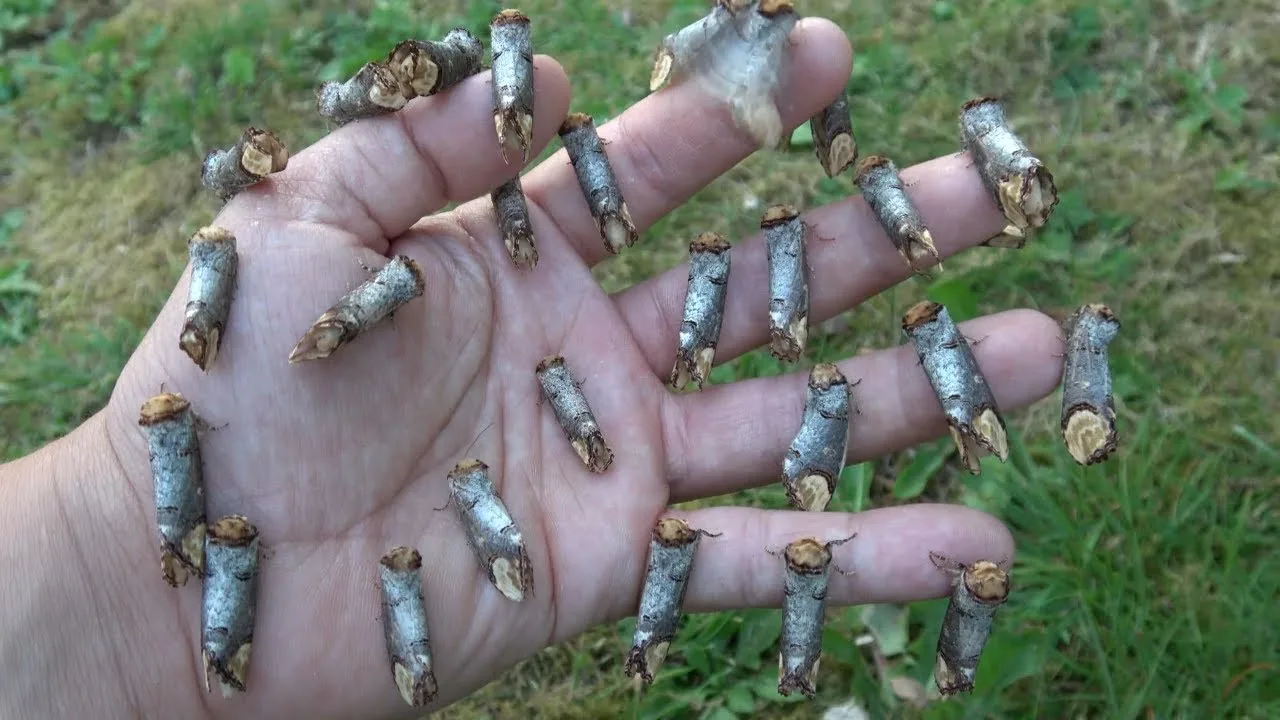
Because farming time is limited, insect outbreaks can create serious problems for local farmers. Caterpillars of moth species often feed on plant leaves, stems, and flowers, which may reduce crop quality and production.
Insect Outbreaks in High-Altitude Regions
Cold desert farming systems are sensitive to climate and seasonal changes. Insect pests in mountain regions can spread quickly during warmer months. Lepidopteran larvae, commonly known as caterpillars, are among the major pests found in such agricultural systems.
Agricultural experts usually carry out field surveys, pest monitoring, and crop damage assessments to control these outbreaks. Early detection is important to reduce losses in high-altitude farming areas like Ladakh.
Scientific Importance of the Buff-tip Moth
The buff-tip moth has also attracted scientific attention because moth larvae are common agricultural pests in temperate and alpine regions. Researchers are studying the host plants, seasonal behaviour, and survival patterns of the species in Ladakh’s harsh climate.
The case also highlights the importance of regular surveillance and pest management in cold desert agriculture. Understanding insect activity can help farmers protect crops and improve food production in difficult environments.