



Cuba Embargo: India Backs UN Resolution

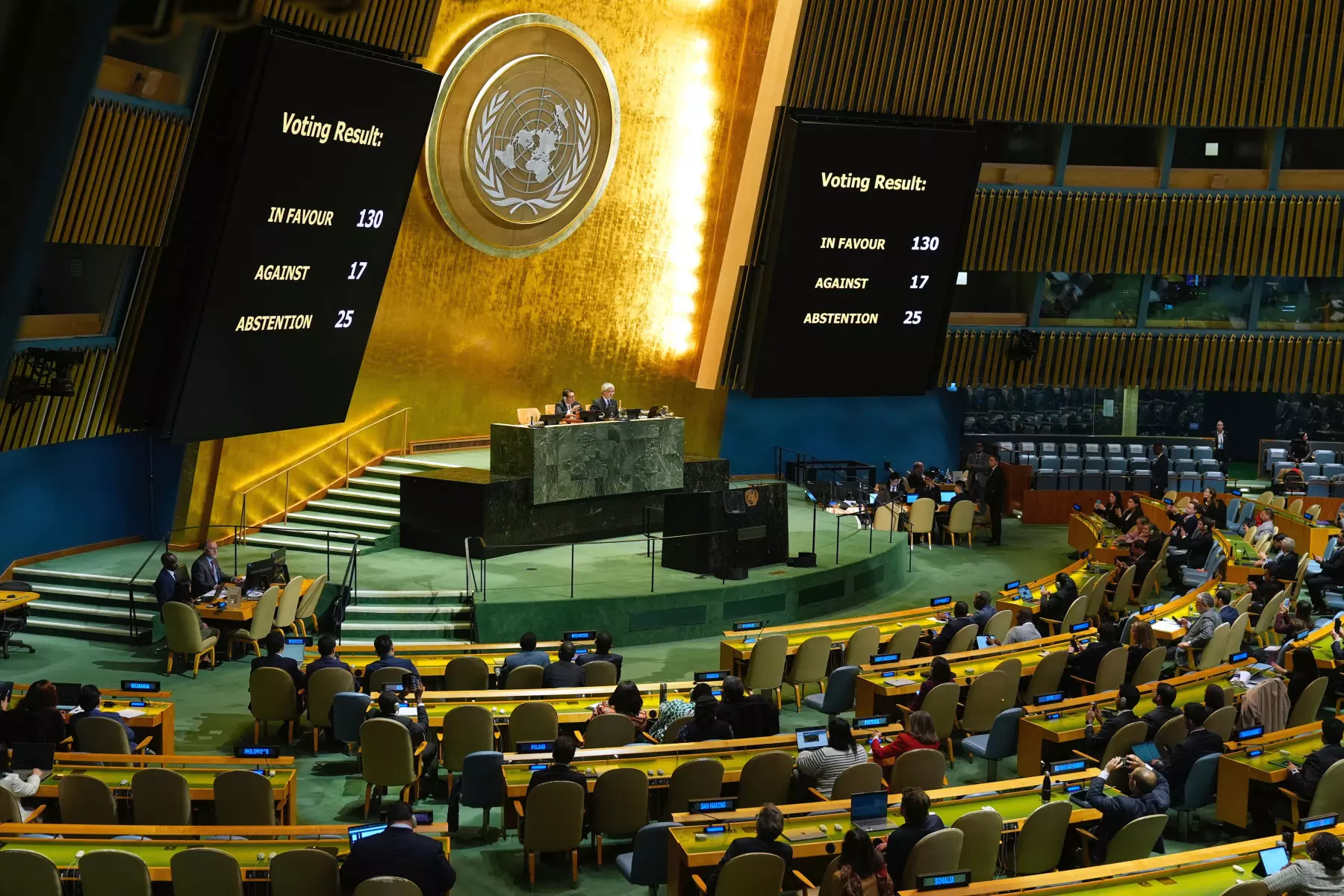
Cuba Embargo was the subject of a United Nations General Assembly resolution supported by India on 28 October 2026. The resolution called for an end to the long-standing economic, trade and financial restrictions imposed by the United States on Cuba. It received 130 votes in favour, 17 against and 25 abstentions. India supported the resolution and called for restrictions that affect other countries’ sovereignty and development to be addressed in line with the United Nations Charter and international law.
India Supports the UN Resolution on Cuba
India voted in favour of the resolution during the United Nations General Assembly session in New York. The vote reflected India’s continued support for multilateral cooperation and diplomatic efforts to address international issues.

Soumya Nair, counsellor at India’s Permanent Mission to the United Nations, presented India’s position. She said that global challenges should be addressed through dialogue and diplomacy. India also opposed laws and regulations with effects beyond a country’s borders when they adversely affect the sovereignty and development of other states.
The resolution called for the United States to end its economic, commercial and financial embargo on Cuba. Although the measure received majority support, the number of countries voting in favour was lower than in the previous year.
What Is the United States Embargo on Cuba?
The Cuba Embargo refers to a series of economic and trade restrictions imposed by the United States on Cuba. The restrictions began in 1960, following the Cuban Revolution and the nationalisation of US-owned assets. The United States introduced a comprehensive embargo in 1962.
Over the decades, the restrictions have affected trade, financial transactions and other economic dealings between the two countries. Some measures can also affect businesses in other countries when their activities involve Cuba or fall under US rules.
Relations between the United States and Cuba have changed over time. Restrictions were eased during a period of improved relations between 2015 and 2017, but several measures were later tightened again.
The embargo remains a major point of disagreement between the two governments. Cuba has repeatedly called for the restrictions to be lifted, while the United States has defended its policy towards the Cuban government.
UN Vote Shows Declining Support for the Resolution
The 2026 resolution received 130 votes in favour, 17 against and 25 abstentions. This was a notable change from the 2025 vote, when 165 countries supported the resolution, seven opposed it and 12 abstained.
The 2026 vote followed diplomatic efforts by the United States to persuade more countries to oppose the resolution or abstain. Several countries that had supported earlier resolutions changed their positions.
Despite the lower level of support, the General Assembly adopted the resolution. The annual vote has become an important international forum for countries to express their views on the restrictions imposed on Cuba.
However, the resolution is not legally binding in the same way as a binding international legal obligation. It expresses the General Assembly’s position and carries political significance, but it does not itself end the embargo. Changes to the US embargo would require action under the United States’ own legal and political system, including Congress.
Impact of the Embargo on Cuba
India referred to the difficulties faced by Cuba’s healthcare system and economy during its statement at the United Nations. Citing a report by the UN Secretary-General, India said Cuba faced shortages of more than 60% of essential medicines and that food production had declined by over 50% during the preceding five years.
Restrictions affecting fuel supplies have also added to Cuba’s energy difficulties. Fuel shortages can disrupt electricity generation, transport and the movement of essential goods.
The reported effects extend to healthcare, education, water supply, food distribution and transportation. Limited access to fuel and imported goods can make it harder for hospitals, public services and businesses to operate normally.
The embargo is not the only factor affecting Cuba’s economy. Domestic economic conditions and other external pressures also play a role. However, the restrictions remain a central part of the debate over the country’s access to international trade and finance.
Diplomatic Tensions at the United Nations
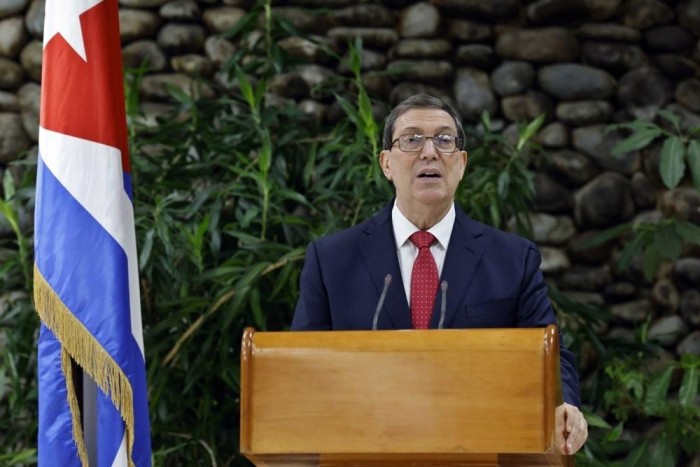
The 2026 vote took place amid heightened tensions between US and Cuban representatives at the United Nations. On 27 October, Cuban Foreign Minister Bruno Rodríguez Parrilla confronted US Permanent Representative Mike Waltz during a General Assembly address. The exchange disrupted proceedings and highlighted the deep disagreement between the two governments.
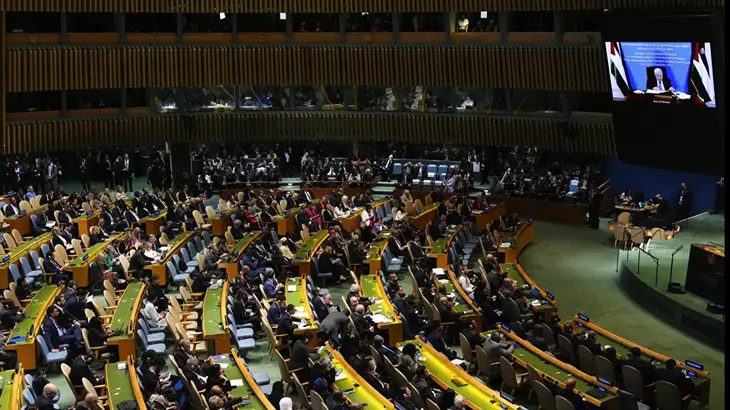
On 28 October, the United States announced the expulsion of Cuban UN mission First Secretary Richard Tur de la Concepción over allegations related to a confrontation with an American diplomat. The incident added to the diplomatic tensions surrounding the debate.
These events showed that the embargo remains a sensitive issue in US-Cuba relations and in wider international discussions.
Role of the United Nations General Assembly
The United Nations General Assembly is the organisation’s main deliberative and representative body. All 193 UN Member States have a seat and one vote.
Under the UN Charter, the General Assembly can discuss issues within the Charter’s scope and make recommendations to member states or the Security Council. Its resolutions can express international views, encourage diplomatic action and keep global attention on important issues.
India’s support for the resolution reflects its stated position that international challenges should be addressed through dialogue, cooperation and respect for national sovereignty. The latest vote keeps the Cuba embargo on the international agenda, even as countries remain divided over how the long-running dispute should be resolved.