

AMRAAM Production: US-Japan Defence Deal

AMRAAM Production is set to expand through a new agreement between the United States and Japan to establish a missile assembly and inspection facility in Japan. The agreement was announced on 28 October 2026 by Japanese Defence Minister Shinjiro Koizumi after a meeting with US Defence Secretary Pete Hegseth in Cebu, the Philippines. The plan is part of a wider effort to strengthen defence cooperation and improve the supply of important weapons for both countries. The proposed facility will support the production process for the AIM-120 Advanced Medium-Range Air-to-Air Missile, commonly known as AMRAAM.
What Is the AMRAAM Missile?
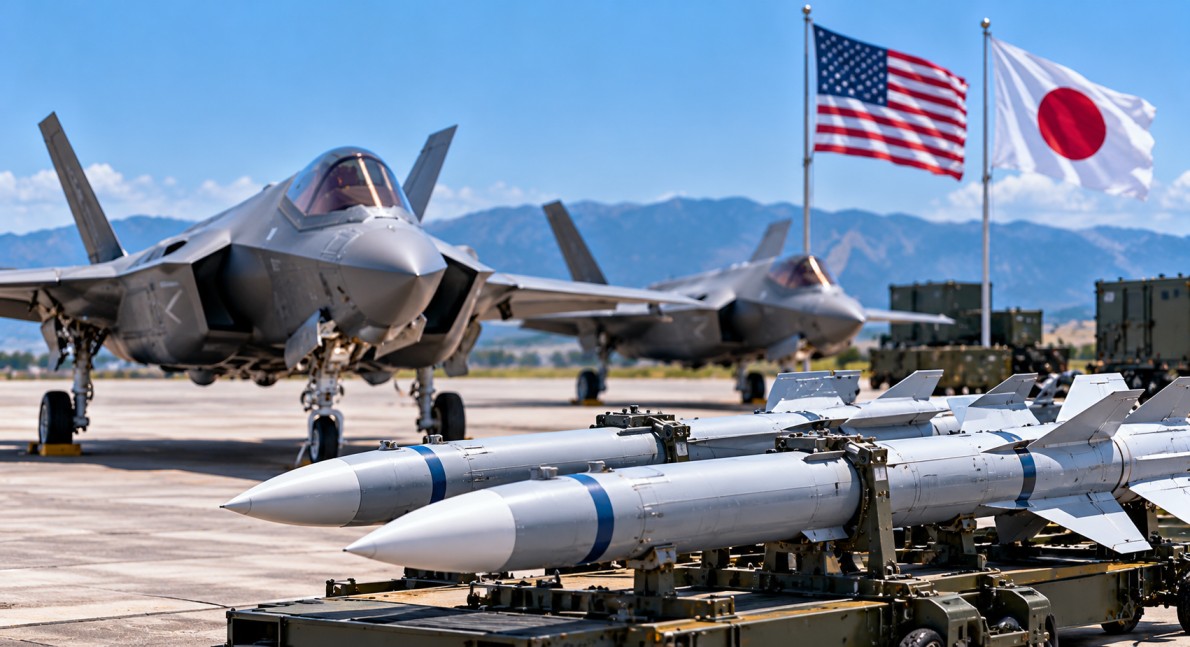
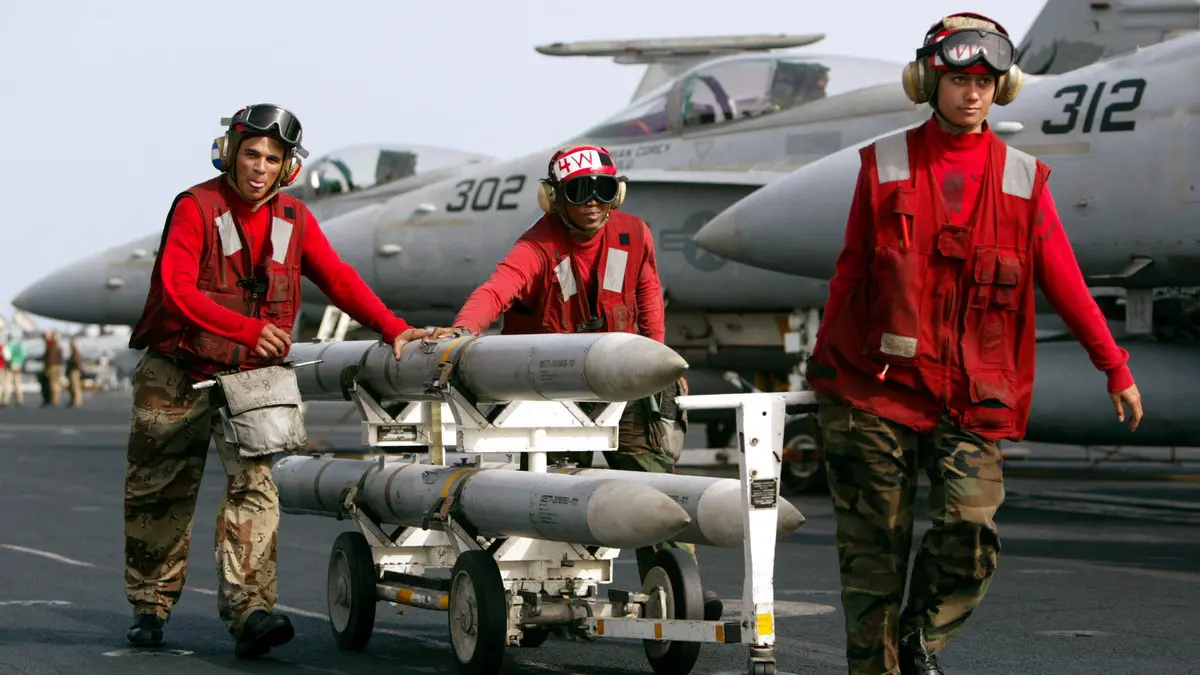
The AIM-120 AMRAAM is an air-to-air missile developed for use by fighter aircraft. It is designed to engage targets beyond the pilot’s direct visual range and uses active radar guidance during the final part of its flight.

The missile is used by the United States and several partner countries. It can be carried by different fighter aircraft, including the F-35 Lightning II. Its ability to operate in different weather conditions makes it an important part of modern air combat systems.
AMRAAM has been used by allied air forces for decades, and newer versions include improvements to guidance, range and resistance to electronic interference. The missile is produced by RTX, the US defence company formerly known as Raytheon Technologies.
What Is the Operation Supercharge Plan?
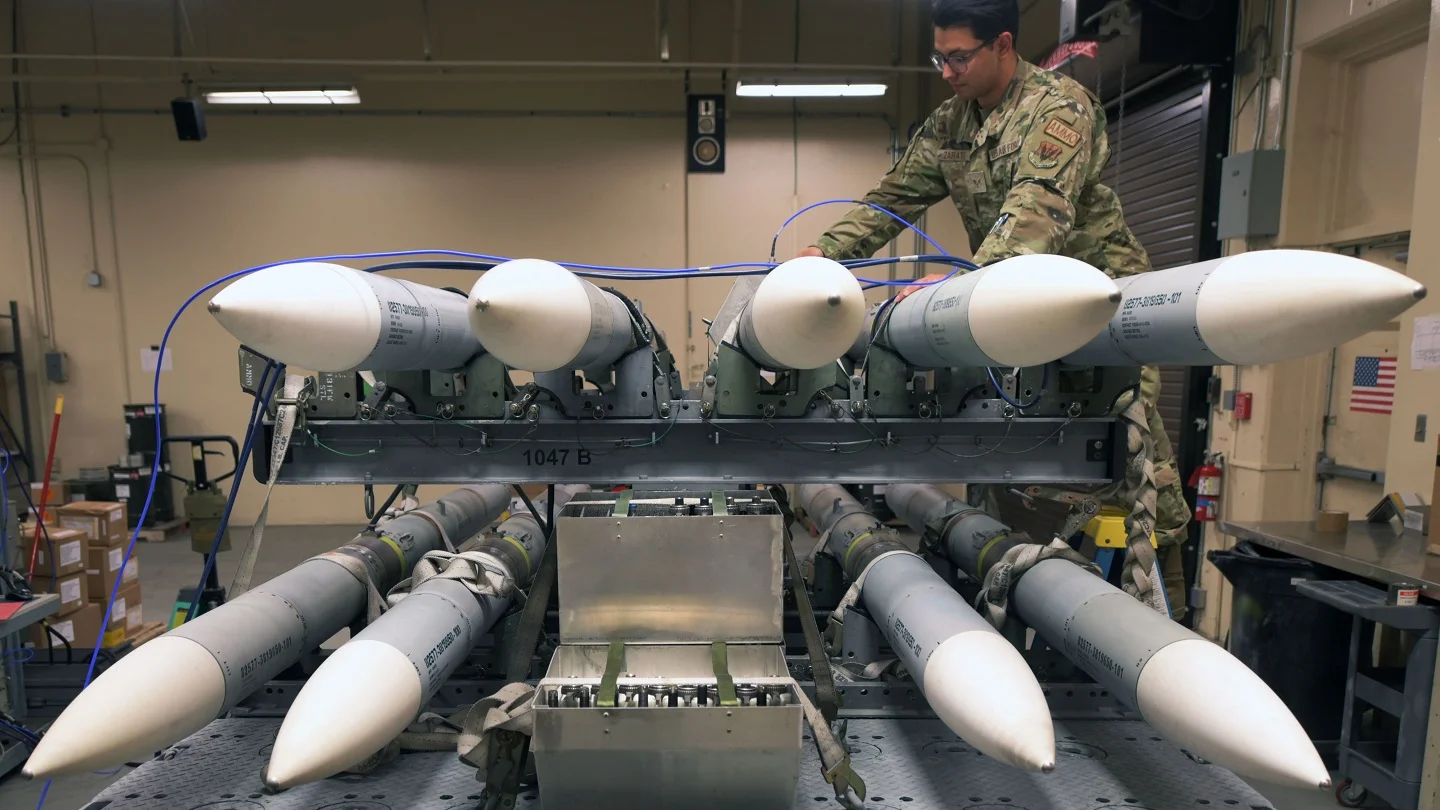
The joint initiative is called Operation Supercharge. Under the agreement, the United States and Japan will establish a facility in Japan for the final assembly and inspection of AMRAAM missiles.
The agreement follows discussions that began in 2024. Both countries have been exploring ways to expand cooperation in defence manufacturing and reduce pressure on existing production facilities.
The new facility is intended to add capacity to the missile supply chain and help build regional stockpiles. However, the Japanese government had not announced the facility’s location or a production start date as of 28 October 2026. The agreement also does not mean that missiles are already being assembled at the new site.
Why Is the F-35 Important to This Agreement?
The F-35 is a family of advanced combat aircraft developed by Lockheed Martin. Japan operates the aircraft as part of its air defence capabilities, and the AMRAAM is one of the weapons that can be integrated with it.
The F-35 has three main variants. The F-35A is designed for conventional take-off and landing, the F-35B can perform short take-offs and vertical landings, and the F-35C is designed for operations from aircraft carriers.
Japan’s access to suitable missiles is important for maintaining the operational readiness of its fighter fleet. By establishing a local assembly and inspection facility, the two countries aim to strengthen the supply network supporting their aircraft and other compatible platforms.
A Wider Plan to Increase Missile Production
The AMRAAM agreement comes as the United States works to increase production of several types of military equipment. In September 2026, the Pentagon announced a multiyear AMRAAM contract valued at up to $20.7 billion, including options over seven years. The wider production effort is intended to meet demand from US forces and partner countries.
The Japan facility forms part of a broader effort to spread manufacturing capacity across allied countries. A wider production network can provide additional flexibility when demand rises or existing factories face supply problems.
Japan and the United States have also discussed expanding production of the SM-3 Block IIA missile, which is designed to intercept certain ballistic missile threats. The two governments are working on several defence manufacturing initiatives rather than relying on a single project.
What the Agreement Means for Japan-US Relations
The agreement reflects closer cooperation between the two countries in defence technology, manufacturing and regional security. Their defence ministers discussed the plan during meetings connected with the ASEAN Defence Ministers’ Meeting-Plus gathering in the Philippines.
For Japan, the facility could expand the role of its domestic defence industry in supporting equipment used by its own forces and the United States. For Washington, it offers another potential source of missile assembly capacity in the Indo-Pacific region.
Important details still need to be confirmed, including the facility’s location, operating arrangements and timeline. The agreement marks a step towards closer industrial cooperation, while its practical impact will depend on how the project is implemented.