


China Spaceplane: US Reveals New Image

China Spaceplane has drawn international attention after the United States released a high-resolution image of China’s experimental reusable spacecraft in orbit. The image was included in the US Defense Intelligence Agency’s (DIA) Challenges to Security in Space 2026 report, released on 26 October 2026. Captured by a commercial imaging satellite in 2024, it offers a clearer view of a spacecraft whose design and purpose remain largely secret.
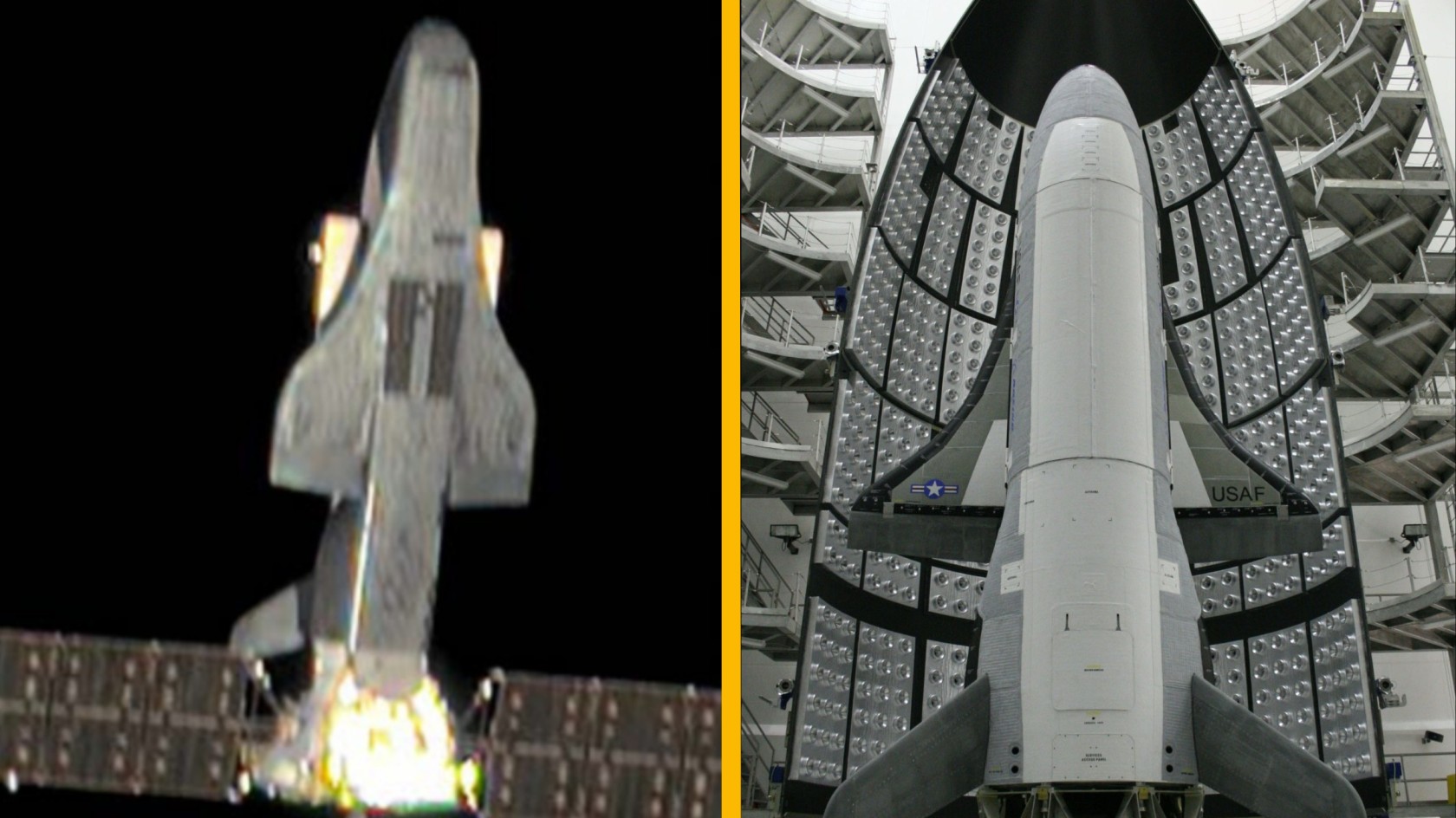
The image shows a shuttle-shaped vehicle with wings, two vertical tail fins, a payload bay and solar panels attached to a rear section. Although its design resembles the US Space Force’s X-37B spaceplane, important details about the Chinese vehicle’s identity and mission remain unknown.

What Does the New Image Show?
The image was captured on 28 May 2024 by a satellite operated by Maxar Technologies, now known as Vantor. The spacecraft was photographed from a distance of less than 90 kilometres, allowing the camera to record details that are difficult to see from Earth.
The picture shows a winged spacecraft with a shape similar to a small space shuttle. Its visible features include a central payload bay, two vertical tail fins and a rear-mounted service module with deployed solar panels. Another object appears to be attached to the spacecraft, but its identity has not been publicly confirmed.
The image provides valuable information about the vehicle’s physical structure. However, it does not reveal everything about its equipment, capabilities or purpose. The DIA describes it as a Chinese spaceplane without confirming the exact model shown.
What Is a Reusable Spaceplane?
A reusable spaceplane is a spacecraft designed to travel into orbit and return to Earth using a winged vehicle. Unlike a spacecraft designed for a single flight, a reusable vehicle can potentially fly several missions.
These vehicles can support experiments, carry equipment and test new technologies in space. Their ability to return to Earth can also help researchers recover equipment or experimental materials.
China’s experimental spaceplane is often compared with the US Space Force’s X-37B. Both are uncrewed vehicles designed for orbital operations, but their exact capabilities and missions may differ. A similar appearance does not prove that the two spacecraft perform the same tasks.
China’s Experimental Spaceplane Programme
China has conducted four known orbital missions with its experimental reusable spacecraft since 2020. The first mission took place in September 2020, while later missions remained in orbit for much longer periods.
The third known mission began in December 2023 and ended in September 2024. During its orbital operations, the spacecraft was reported to have released smaller objects into space. These activities have attracted attention from space researchers and security analysts.
The fourth known mission began on 7 February 2026. According to reports published in October 2026, the spacecraft remained in orbit at that time.
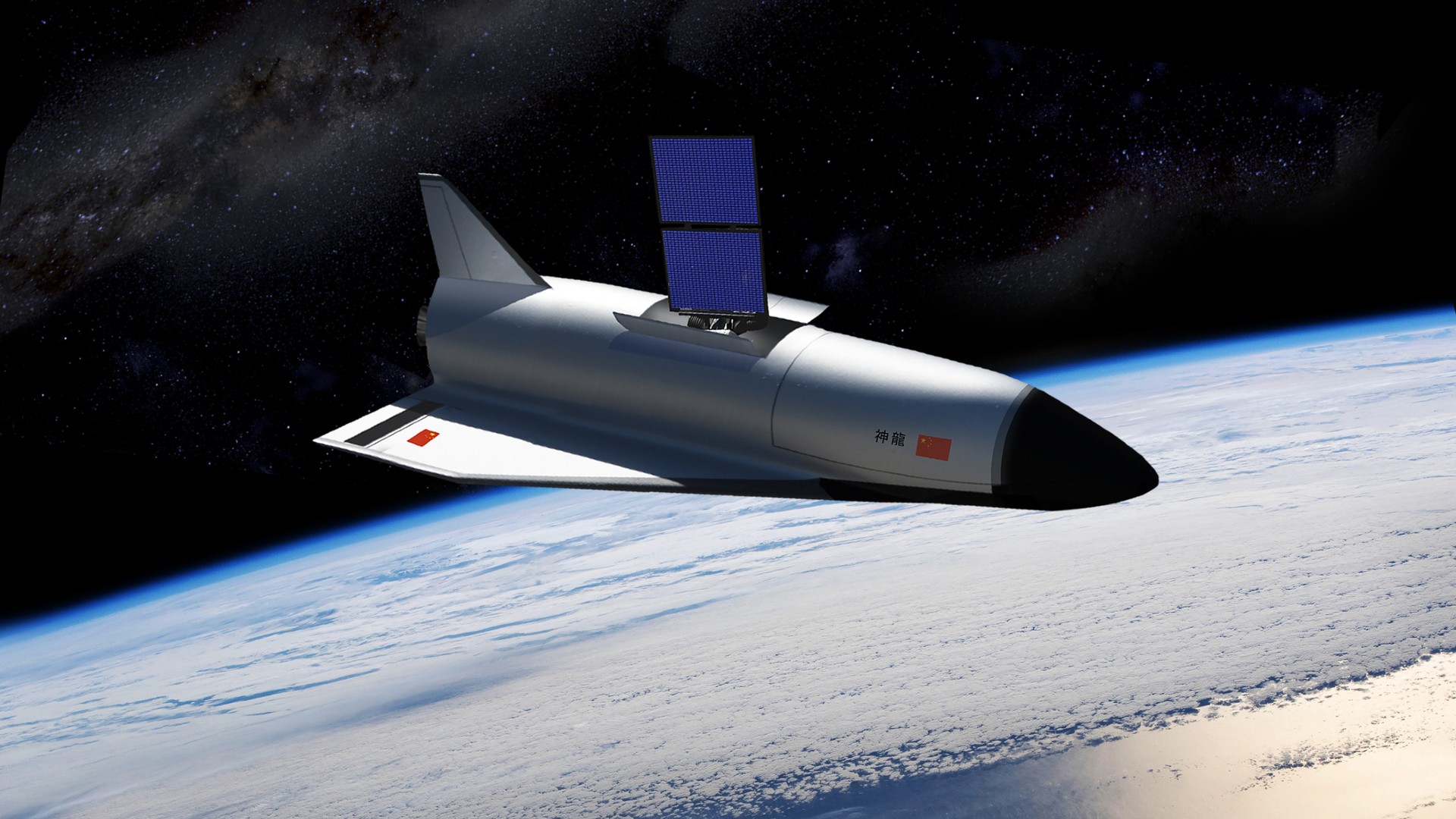
China has not publicly disclosed all the details of the programme. The DIA report mentions the names Shenlong, meaning “divine dragon”, and Tengyun in its assessment of Chinese spaceplane development. However, the agency has not confirmed which model appears in the newly released image.
Why Are Spaceplanes Important for Space Security?
Reusable spaceplanes can perform different tasks during long orbital missions. They may carry equipment, conduct experiments, deploy smaller objects and test technologies before returning to Earth.
Their ability to remain in orbit for extended periods can make their activities difficult for outside observers to understand. When a spacecraft changes its position or operates near another satellite, researchers may be able to observe the movement but still lack information about its purpose.
The DIA’s 2026 report examines developments in space capabilities and the possible risks they create for national security. It also discusses the growth of China’s intelligence, surveillance and reconnaissance satellite network.
However, the released image does not prove that the Chinese spaceplane carries weapons or has carried out an offensive operation. Its precise mission remains unclear, and claims about its intended use should be treated carefully.
China Spaceplane and the Future of Orbital Research
The release of the image comes at a time when major space powers are investing in reusable spacecraft, satellite networks and advanced orbital technology. Reusable vehicles could reduce the need to build a completely new spacecraft for every mission and allow more frequent testing of equipment.
The image also demonstrates how commercial satellite companies can contribute to the study of objects operating in space. Satellites designed to observe Earth can sometimes be directed towards spacecraft in orbit, providing information that may otherwise remain unavailable to the public.
Further observations may help researchers understand the Chinese vehicle’s design and activities. For now, the image offers a rare look at China’s experimental spaceplane, but it does not answer all the questions surrounding the spacecraft or its long-term role in space.