Daruma Doll – A Symbol of Perseverance and Cultural Bridge Between India and Japan

Daruma Doll is not just a decorative object but a powerful cultural symbol in Japan, deeply rooted in history, spirituality, and cross-cultural connections with India. Recently, it came into the limelight during Prime Minister Narendra Modi’s visit to Japan, where he was presented with a Daruma doll by Rev Seishi Hirose, chief priest of the historic Daruma-ji Temple in Takasaki. The gesture highlighted the doll’s symbolism of perseverance, goal-setting, and good luck, while also reminding the world of its Indian origins through Bodhidharma, the 5th-century monk who founded Zen Buddhism.
Thank you for reading this post, don't forget to subscribe!Origin and Historical Background
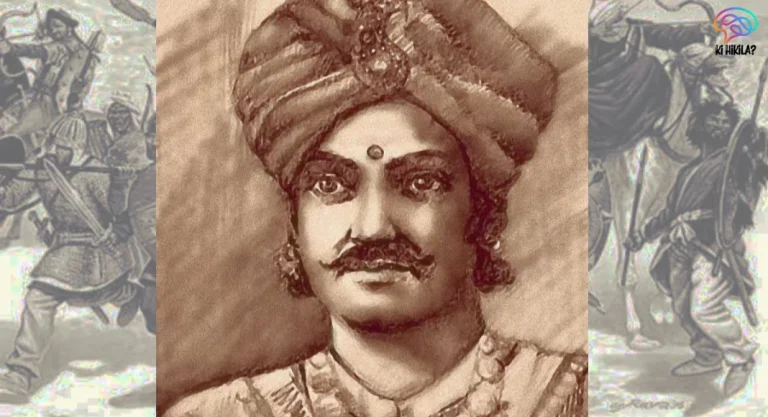
The Daruma Doll traces its roots back to Bodhidharma, an Indian monk from Kanchipuram in Tamil Nadu. Known in Japan as Daruma Daishi, Bodhidharma traveled to China in the 5th or 6th century and later became associated with the establishment of Zen Buddhism. His legendary nine-year meditation, sitting motionless facing a wall, inspired the design of the Daruma doll—limbless, rounded, and embodying unshakable perseverance.
The name Daruma is derived from the Sanskrit word Dharma, which means “cosmic law” or “duty.” This spiritual connection illustrates how ancient Indian philosophy influenced Japanese cultural expressions. The doll is thus not just an artifact but a living reminder of the shared spiritual heritage between India and Japan.
Design and Symbolism
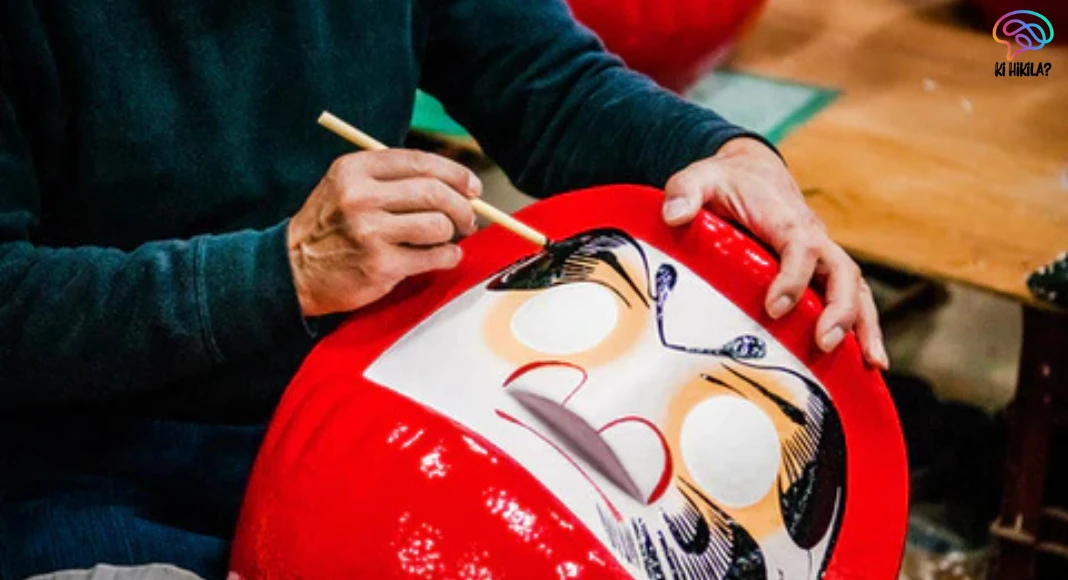
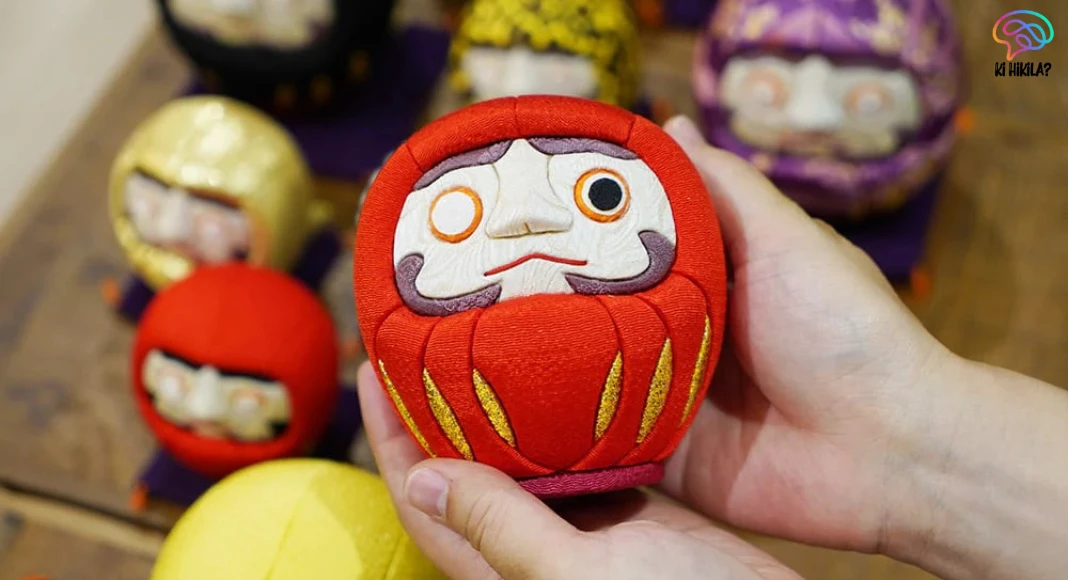
The design of the Daruma Doll carries layers of meaning. Traditionally made of papier-mâché, the dolls are hollow, light, and available in sizes ranging from a few inches to several feet tall. Their distinctive rounded base ensures that when tipped over, they spring back upright. This unique feature symbolizes resilience and persistence, embodied in the famous Japanese proverb: “Fall seven times, stand up eight.”
Another key element is the doll’s blank eyes. When someone sets a goal, they paint in one eye. Once the goal is achieved, the second eye is filled, completing the doll’s vision. This ritual serves as a powerful tool for motivation, focus, and accountability, making the Daruma doll both a spiritual object and a personal development aid.
Daruma-ji Temple and Its Legacy
The Shorinzan Daruma-ji Temple in Takasaki, Gunma Prefecture, is considered the birthplace of the Daruma Doll. Established in 1697, the temple became the center of Daruma doll production and spiritual blessings. Over the centuries, emperors, shoguns, and commoners alike visited the temple seeking fortune, success, and protection.
The temple’s annual Daruma Doll Fair, known as Daruma Market (Daruma-ichi), attracts thousands of visitors who purchase dolls for luck in business, academics, and personal goals. The temple’s current chief priest, Rev Seishi Hirose, who has led since 1981, continues to uphold the Zen Buddhist traditions associated with the doll. His presentation of the doll to PM Modi symbolized both goodwill and the enduring cultural link between India and Japan.
Modern-Day Cultural Relevance
In today’s world, the Daruma Doll is widely used in homes, offices, and schools across Japan. Students keep them before exams, entrepreneurs display them before launching businesses, and politicians often rely on them during election campaigns as tokens of perseverance and success.
Beyond Japan, the doll has also become a global icon of resilience. Its symbolism resonates universally, representing determination against adversity and the belief that persistence leads to eventual success.
Connection Between India and Japan
The Daruma Doll embodies a profound cultural bridge between India and Japan. Its origins in the teachings of Bodhidharma connect Indian spirituality with Japanese Zen traditions. The design reflects the monk’s legendary meditation practices, while the name itself—derived from Dharma—shows linguistic and philosophical roots in India.
For India, the global recognition of the Daruma Doll is also a reminder of the country’s enduring cultural influence. For Japan, it represents the adaptation of Indian spiritual values into their own traditions, creating a shared heritage that continues to inspire both nations.
Symbolism in Goal-Setting and Perseverance
One of the most powerful aspects of the Daruma Doll is its role in goal-setting. The ritual of painting in one eye while setting a goal and completing the other eye upon success makes the process of achievement tangible and spiritual. It instills focus, discipline, and resilience—qualities central not just to Zen practice but to life itself.
This symbolism is especially relevant in today’s fast-paced world, where persistence and adaptability are key to success. Whether in personal growth, education, or professional ambitions, the Daruma doll serves as a motivational companion.
A Shared Symbol for the Future
As global challenges such as uncertainty, climate change, and social change test humanity’s perseverance, symbols like the Daruma Doll gain renewed importance. They remind us of the timeless wisdom of resilience: no matter how many times we fall, we can always rise again.
The doll’s journey from Bodhidharma’s teachings in India to its central place in Japanese culture reflects the interconnectedness of civilizations. It also underscores the power of cultural exchange in shaping enduring traditions.
Cultural Legacy of the Daruma Doll
The Daruma Doll is more than a cultural artifact—it is a living symbol of perseverance, resilience, and shared heritage. Rooted in Indian philosophy through Bodhidharma and nurtured in Japanese Zen traditions, it has become an icon of hope and determination across the world. Prime Minister Modi’s recent encounter with the doll highlights its importance as both a spiritual symbol and a bridge between India and Japan.
As people continue to set goals, face challenges, and strive for success, the Daruma Doll stands as a reminder that persistence, patience, and resilience are the keys to achieving one’s destiny.